

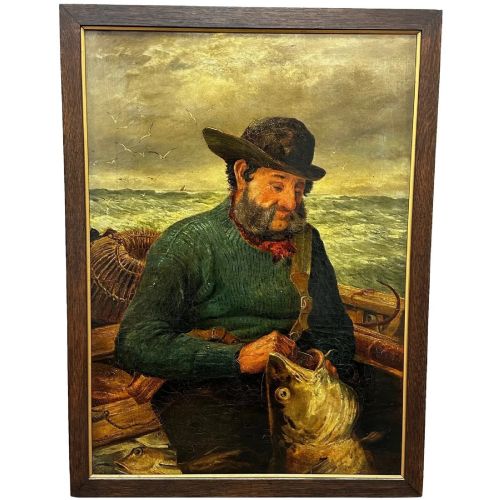
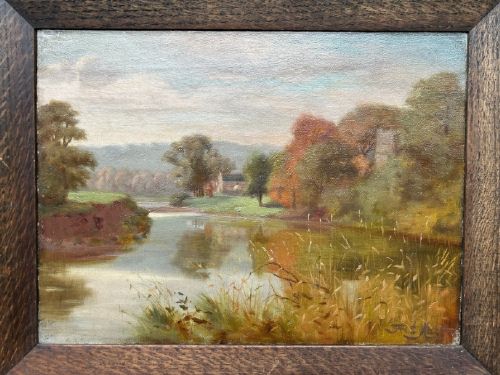
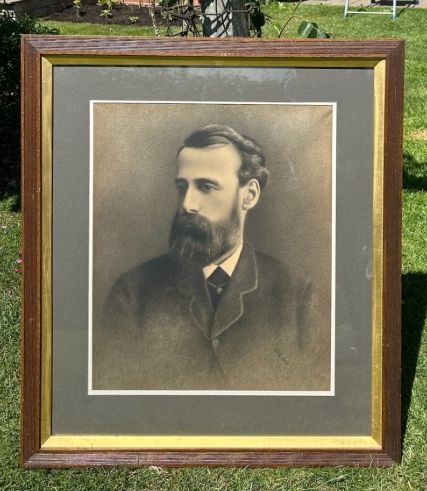
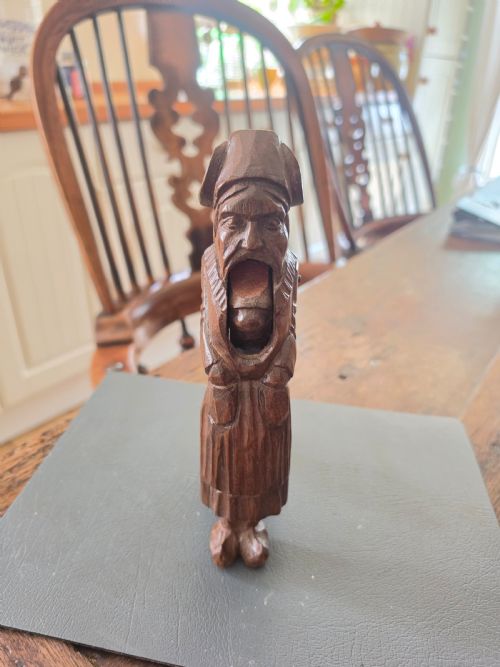


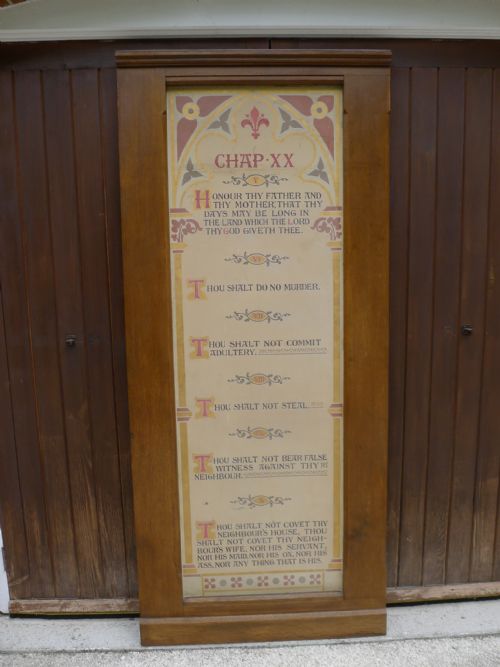
Victorian Oak Sign
A victorian oak sign brings heavy timber grain and historic lettering straight into a room, offering immediate character and tangible age.
Victorian Oak Sign
When you search for a victorian oak sign, you encounter heavy timber pieces and framed boards carrying painted or carved lettering from the nineteenth century and the early twentieth century. These items include framed paper texts, double-sided hall markers, and robust timber cabinets bearing later sign-written details.
The selections span various forms, from religious inscriptions originating in tin tabernacles to commercial cellar notices. They reflect a period when lettering was applied by hand to timber and paper for public buildings, fraternal lodges, and local establishments.
How they were made
Makers utilised solid oak to build frames, cabinets, and mounting boards, selecting dense timber that withstood decades of interior or exterior placement. This wood was frequently carved in high relief, displaying deep mouldings and figural motifs alongside the primary panels.
Lettering and imagery were applied using oil paint, paper inserts, or meticulous sign-writing directly onto the wood surface. Glass and paper elements were often integrated to protect delicate texts, while carved details utilised traditional chisels and hand tools.
Victorian Oak Sign Retail Price Guide 2026
Typical asking prices for victorian oak sign among the pieces listed under this phrase on Sellingantiques today, from the lower quarter to the upper quarter. They describe what is for sale here now, not the wider market.
A sturdy nineteenth-century timber board once directed thirsty patrons toward German beer in a bustling cellar.
What varies in quality
The distinction between standard utility items and finer examples rests in the depth of the timber carving and the crispness of the sign-writing. Heavily carved mouldings and well-preserved lettering demonstrate a higher standard of craftsmanship.
Original integration matters significantly, separating pieces where the sign and the oak frame were conceived together from those featuring later painted lettering applied to older furniture carcasses. The clarity of the text and the stability of the timber determine the overall presence of the piece.
The Victorian Oak Sign Glossary
- Sign-writing
- The manual application of letters and numbers using brushes and oil-based paints onto timber or paper. This trade technique ensured legible public notices before mass-produced vinyl or printed signage existed.
- Tin tabernacle
- A prefabricated corrugated iron church or mission hall popular during the Victorian era. These buildings often housed illuminated religious texts and wall-mounted boards.
- Relief carving
- A sculptural technique where figures or letters project from a surrounding flat wooden background. In Victorian woodwork, this method created deep shadows and tactile surface texture on oak panels.
- Double-sided
- A format where lettering or decoration appears on both faces of a hanging sign. This construction allowed pedestrians to read the message from either direction along a corridor or street.
Victorian Oak Sign: Frequently Asked Questions
Where were these signs originally displayed?
Many hung inside masonic halls, local inns, or corrugated iron chapels to guide visitors or display community rules.
Others formed part of larger oak cabinets or served as standalone wall notices in public spaces.
How do I care for an oak sign?
Keep the timber away from direct heat sources and sudden humidity shifts to prevent the wood from splitting.
Dust the carved surfaces gently with a dry cloth and avoid harsh chemical cleaners on the painted lettering.
Are all these signs made entirely of oak?
The primary frames and boards utilise solid oak, but auxiliary elements often incorporate glass, paper, and hand-mixed oil paints.
Some examples also feature secondary woods within their internal cabinet structures while retaining prominent oak exteriors.
How can I tell the age of the lettering?
Examine the paint surface under magnification to check for natural craquelure and flat, non-synthetic pigments typical of older formulations.
Original hand-painted lettering also shows minor irregularities in stroke width that distinguish it from modern stencils.