



Victorian Oak Press
When you handle a victorian oak press, you notice the dense grain and substantial weight that made these linen and book stores indispensable to nineteenth-century households.
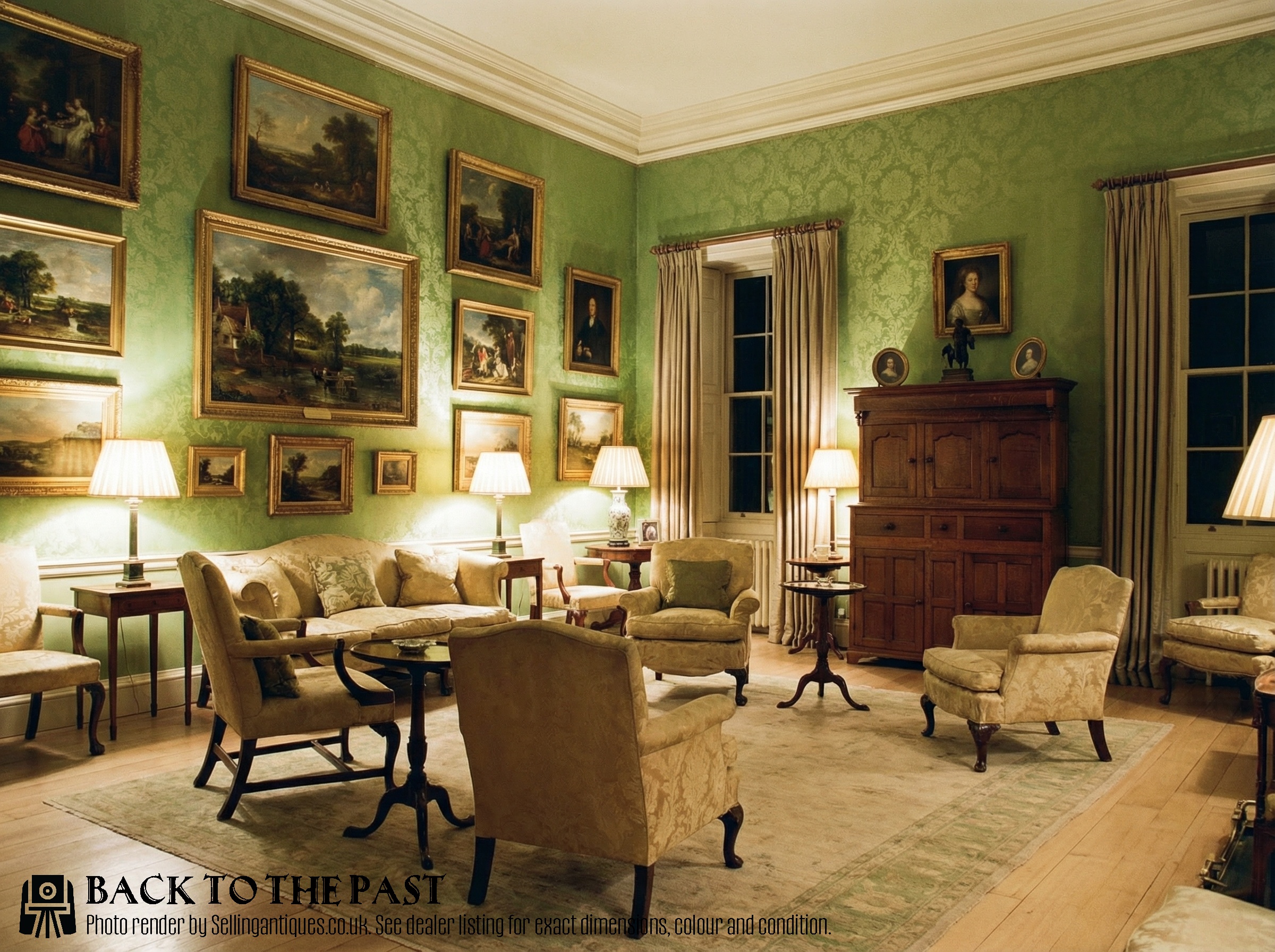
Victorian Oak Press
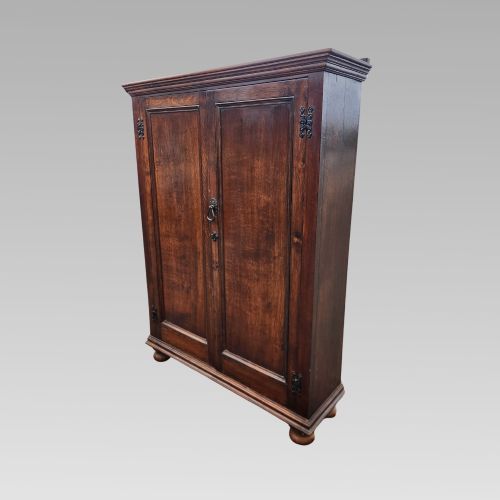
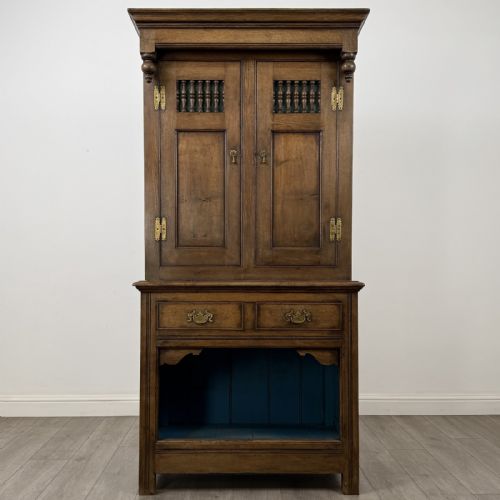
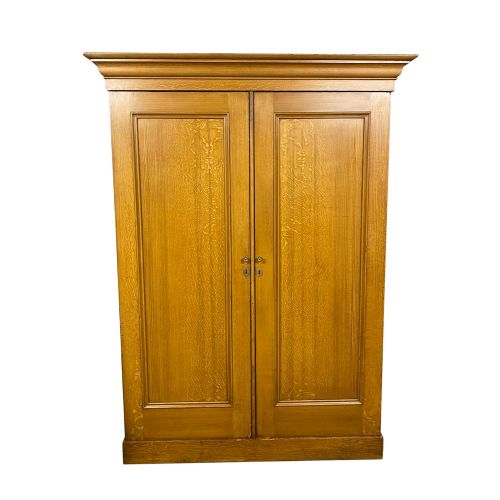
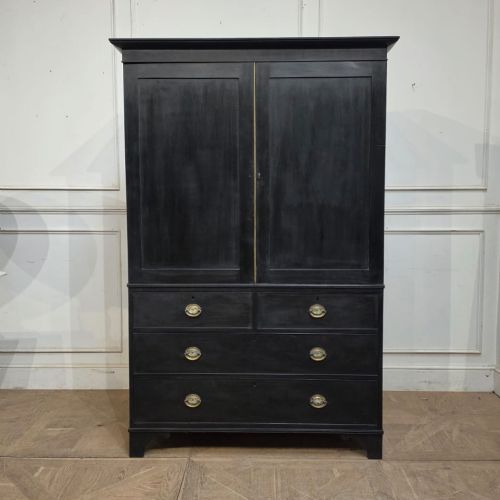
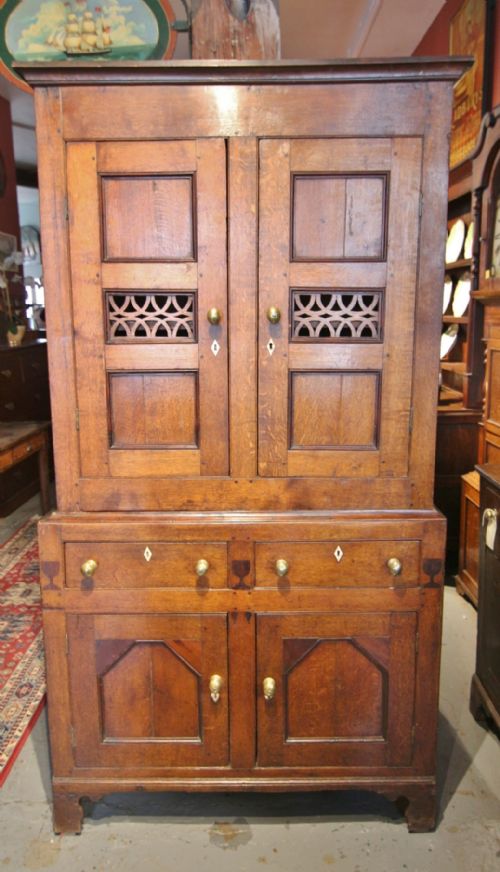
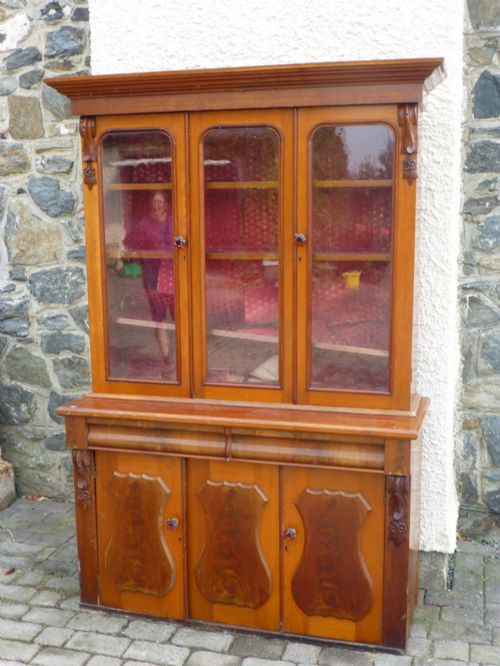
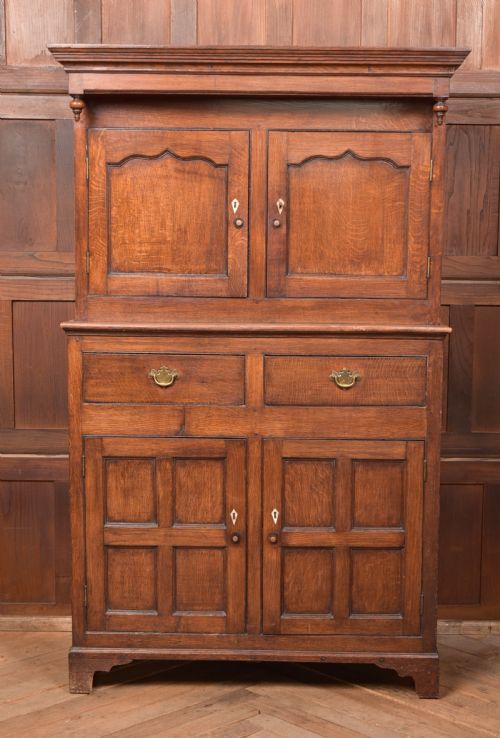
A victorian oak press encompasses several distinct forms found in nineteenth-century interiors, most frequently appearing as linen press cupboards, wardrobe presses, and smaller tabletop book or flower presses. These pieces originate primarily from English and Welsh workshops, reflecting regional cabinet-making traditions through vernacular designs and panelled constructions.
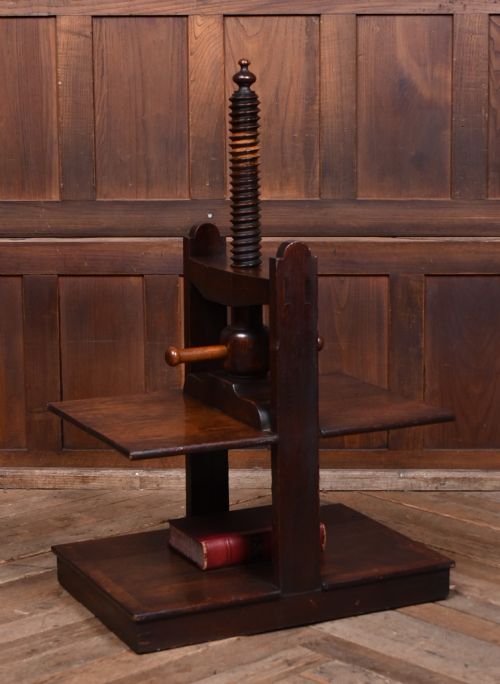
The standard linen press combines upper sliding trays or shelves enclosed by panelled doors with a lower chest of drawers, designed originally to store folded household textiles under heavy pressure. Variations on this page include Gothic Revival cabinets, compactum wardrobes, court cupboards, and specialised desktop mechanisms intended for flattening paper or binding books.
Assessing the Standard
Quality in a victorian oak press reveals itself in the selection of the timber, particularly where figured oak, burr oak, or pollard oak exhibits varied grain patterns across large surfaces. The crispness of hand-carved panels, the retention of original brass or glass handles, and the smoothness of internal sliding trays distinguish finer pieces from standard utilitarian examples.
Proportion and structural integrity dictate the standing of a piece, with superior examples maintaining balanced door alignments and original backboards without excessive timber shrinkage. The presence of specialised internal fittings, such as original linen slides or functional screw presses, marks the distinction between workshop utilitarian items and high-status cabinet work.
Victorian Oak Press Retail Price Guide 2026
Typical asking prices for victorian oak press among the pieces listed under this phrase on Sellingantiques today, from the lower quarter to the upper quarter. They describe what is for sale here now, not the wider market.
Some miniature oak presses served small books, playing cards, or functioned as early printing presses in Victorian domestic studies.
Gillows of Lancaster
The Victorian Oak Press Glossary
- Linen Press
- A two-part storage piece featuring upper sliding shelves enclosed by doors above a chest of base drawers. Originally utilised for pressing and storing household textiles flat.
- Book Press
- A mechanical device featuring a heavy wooden or iron screw thread used to flatten paper, bind volumes, or press botanical specimens. Tabletop versions appear frequently in nineteenth-century inventories.
- Deuddarn
- A traditional Welsh two-tier oak cupboard originating from rural vernacular cabinet-making. These pieces typically feature panelled upper and lower sections with distinct architectural styling.
- Scumble Paint
- A decorative finishing technique applied to create simulated wood grain or textured patterns over a base coat. This method frequently appeared on nineteenth-century utilitarian furniture.
- Pollard Oak
- Timber taken from trees that were pollarded, producing dense burr formations and highly figured grain patterns. Cabinet-makers utilised this material for high-status cabinet doors and drawer fronts.
Victorian Oak Press: Frequently Asked Questions
What is a victorian oak press used for?
These pieces served primarily to store and flatten household textiles, garments, or books using internal sliding trays and mechanical screws. Contemporary homes utilise them as substantial wardrobe storage or display cabinets.
Smaller tabletop versions function well as desk accessories or decorative objects while retaining their original mechanical components.
How do I date a victorian oak press?
Dating relies on examining construction methods, timber selection, and decorative motifs such as Gothic Revival carvings or vernacular panelling. Nineteenth-century pieces typically feature hand-cut dovetails, pegged joinery, and patinated oak surfaces.
Hardware styles, including original brass pulls and glass handles, provide additional chronological markers when comparing 1850s examples to later 1890s production.
How should I care for oak furniture?
Maintain oak surfaces by applying traditional beeswax periodically to nourish the dry timber and preserve the historic patina. Avoid placing pieces near direct heat sources or in fluctuating humidity to prevent wood splitting.
Keep interior sliding trays clean and free of abrasive materials to protect the original nineteenth-century drawer linings.