


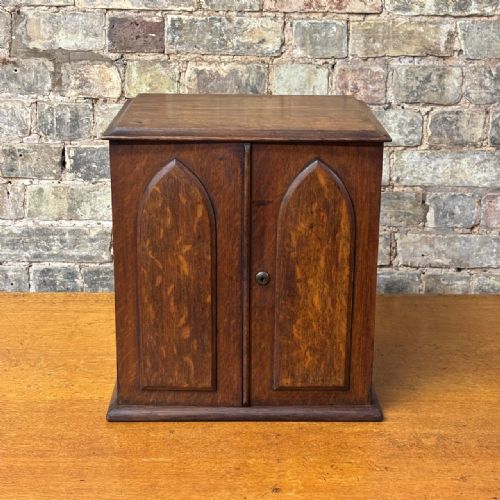


Victorian Oak Desk Cabinet
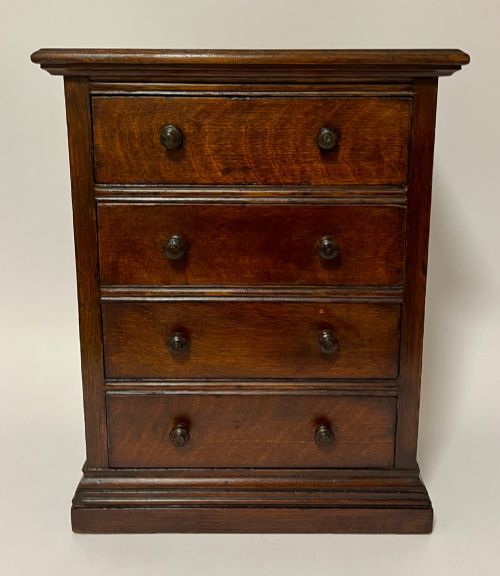
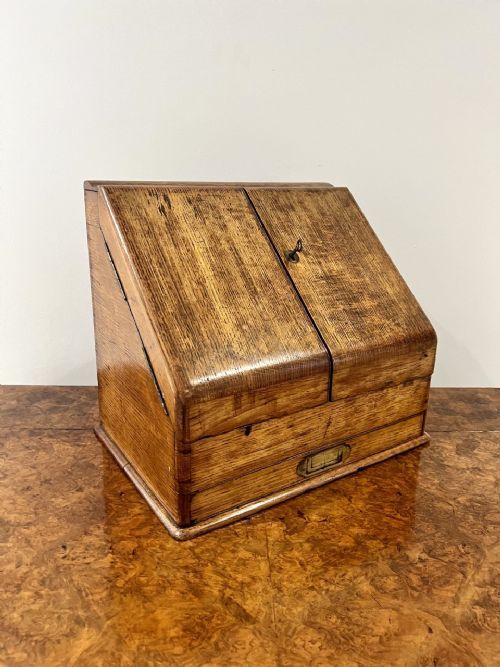
A victorian oak desk cabinet organises correspondence with robust timber and brass fittings.
Victorian Oak Desk Cabinet
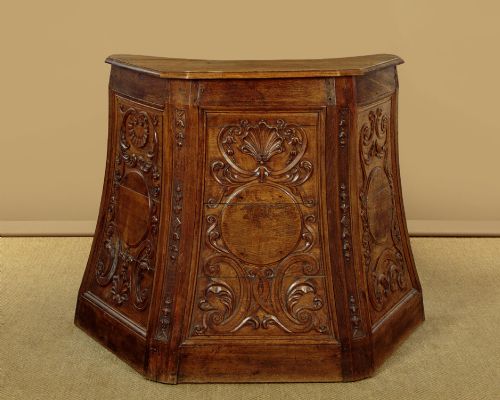
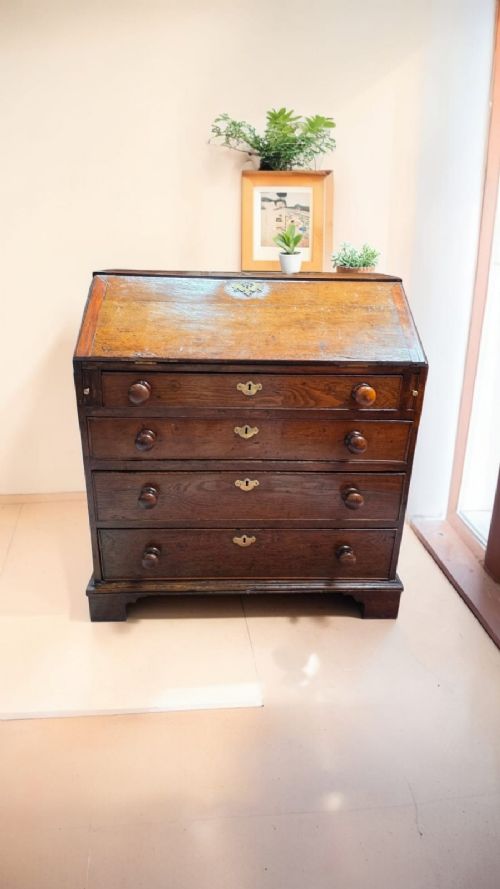
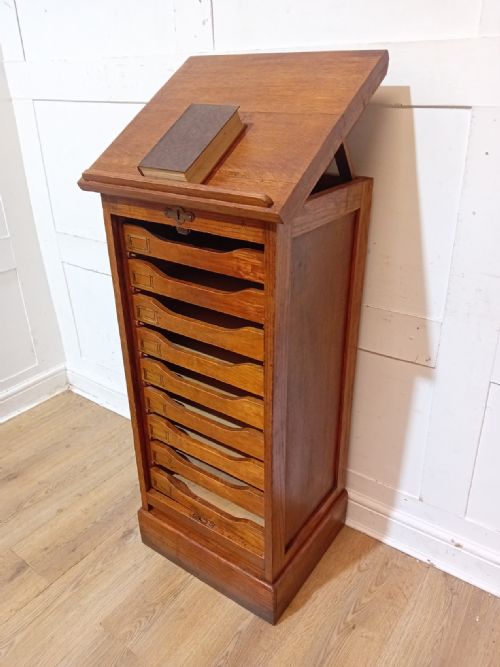
A buyer seeking a victorian oak desk cabinet examines pieces designed to organise correspondence and writing materials upon a desktop or table. These containers range from compact stationery boxes and letter racks to larger tabletop chests and bureau cabinets.
The versions met most frequently on this page originate from the nineteenth century, displaying the sturdy construction characteristic of the period. Makers utilised dense timbers to build receptacles intended for regular daily use in studies and libraries.
Materials and Technique
Construction relies heavily on solid oak, frequently enhanced by figured variations such as pollard oak or burr oak veneers that add distinctive grain patterns to the exterior surfaces. Cabinetmakers joined panels using precise joints to withstand the rigours of desktop organisation.
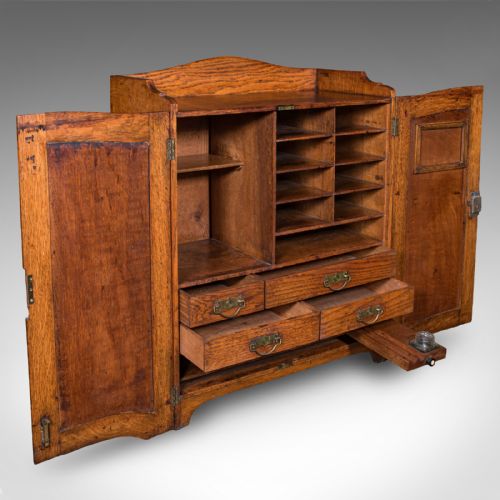
Metal components play an essential role in the construction, incorporating brass hinges, lock plates, handles, and occasional glass or leather inserts. These subsidiary elements provide both structural reinforcement and decorative contrast to the dark timber.
Listings feature items built from oak, brass, glass, metal, leather, and paper across Victorian, Arts and Crafts, and Gothic Revival styles.
Craftsmanship and Proportion
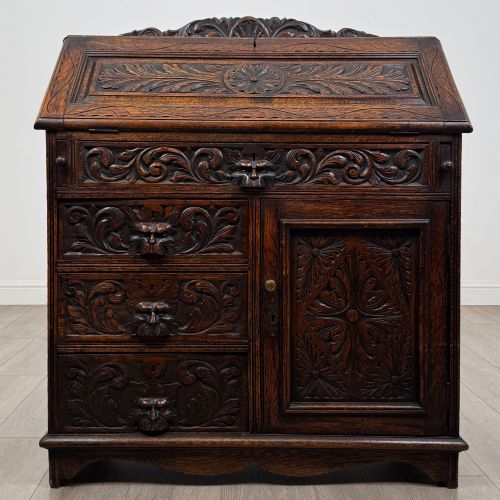
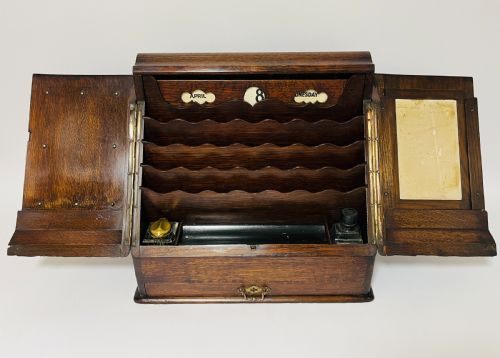
Superior examples separate themselves through the crispness of carved details, such as Green Man motifs or Gothic panels, executed by skilled hands rather than mechanical production. The integration of functional internal fittings like adjustable dates and fitted ink bottles demonstrates higher workshop ambition.
Proportion and timber selection dictate the upper tier of the range, where figured oak grain is matched symmetrically across the facade. Lesser pieces display plain timber boards with simpler butt or mitre joints and standard brassware lacking individual character.
George W Jack·Harris Lebus·Liberty of London·Roberson & Co
The Victorian Oak Desk Cabinet Glossary
- Pollard Oak
- Timber taken from a tree that has been pruned close to the trunk to encourage dense, knotted branch growth. This process produces distinctive swirling grain patterns prized by cabinetmakers.
- Green Man
- A sculptural architectural ornament depicting a human face carved with leaves, vines, or branches sprouting from the mouth. It appears frequently in nineteenth century decorative woodwork.
- Secretaire
- A piece of furniture incorporating a writing drawer or a fold-down front flap that conceals a desk surface and small pigeonholes. This compartment allows a cabinet to serve dual purposes.
- Gothic Revival
- An architectural and decorative style drawing inspiration from medieval forms, featuring pointed arches, lancet windows, and heavy panelled doors. It gained popularity during the Victorian era.
Victorian Oak Desk Cabinet: Frequently Asked Questions
What is a stationery cabinet?
A stationery cabinet is a desktop box or small chest fitted with compartments, dividers, and slots designed to hold writing paper, envelopes, and correspondence.
These containers kept writing materials neat and protected from dust in nineteenth century studies and offices.
How do I identify a Victorian piece?
Victorian pieces typically display solid oak construction, often accompanied by brass hardware, lock escutcheons, and period joinery methods.
Stylistic clues such as Gothic revival panels, carved foliage, or specific interior arrangements help confirm the manufacturing era.
Where were these cabinets used?
These cabinets sat upon large library desks, writing tables, or tabletops in country houses and town residences.
They provided an organised station for household management and personal correspondence before the widespread use of manufactured envelopes.
What is pollard oak?
Pollard oak is a decorative timber harvested from trees that were periodically cut back to stimulate dense, clustered branching.
This technique creates highly figured wood with complex swirls and knots that cabinetmakers used for drawer fronts and decorative panels.