



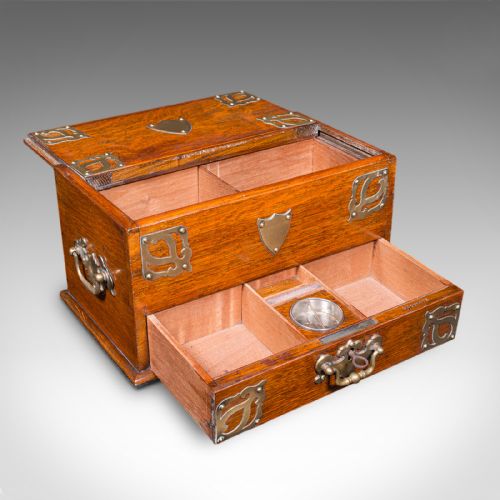


Victorian Oak Caddy
A victorian oak caddy brings solid craftsmanship to your table, offering sturdy storage for tea, documents, or spirits.
Victorian Oak Caddy
When people search for a victorian oak caddy, they expect a functional wooden container designed for domestic storage during the nineteenth century. These objects encompass tea caddies, correspondence boxes, and spirit containers.
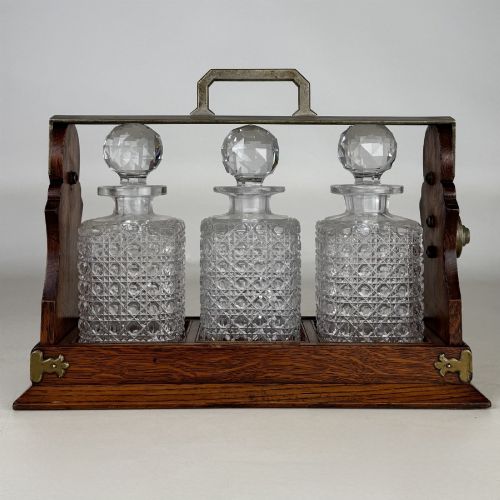
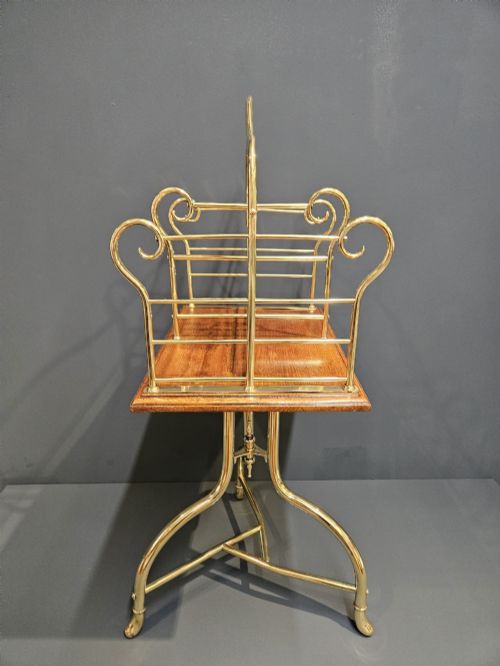
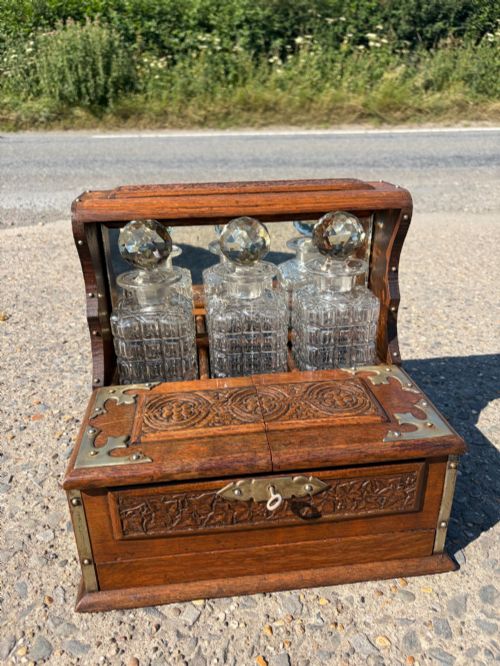
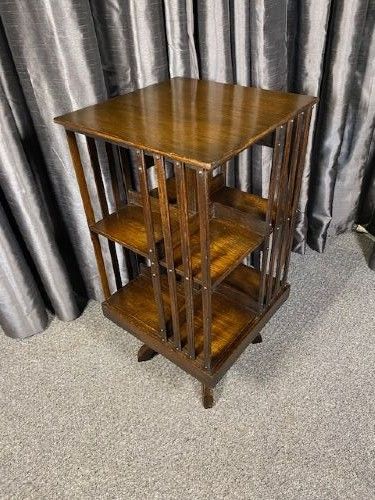
The pieces appearing on this page extend beyond standard tea boxes into related oak vessels like tantalus sets and biscuit barrels. Oak forms the primary structure across these domestic items.
Originating predominantly from the Victorian period, these items also bridge into Edwardian and Georgian eras. Makers utilised dense timber to build robust receptacles for everyday household use.
Determinants of Quality
The calibre of a piece rests upon the selection of timber grain, particularly where figured pollard oak is employed. Superior examples demonstrate tight joinery and substantial metal mountings rather than lightweight fastenings.
Hardware integrity separates standard production from finer workshop output, evident in the weight of brass handles and the operation of locking mechanisms. Complete internal fittings, such as original cut glass bottles or intact tea canisters, elevate a piece.
Refined decorative carving or specialised styling, such as Gothic Revival or French framing, indicates higher craftsmanship. The integration of silver plate details from recognised makers adds distinction to the construction.
Victorian Oak Caddy Retail Price Guide 2026
Typical asking prices for victorian oak caddy among the pieces listed under this phrase on Sellingantiques today, from the lower quarter to the upper quarter. They describe what is for sale here now, not the wider market.
Some Victorian housekeepers kept truffle collecting trugs on hand, proving that oak vessels were just as useful outdoors as they were in the parlour.
Tahan of Paris·John Grinsell & Sons
The Victorian Oak Caddy Glossary
- Tantalus
- A locked wooden frame holding decanters to prevent unauthorized access to spirits while displaying the contents. The mechanism requires opening the lid before any bottle can be removed.
- Coopered
- Constructed from curved wooden staves bound together with metal hoops, traditionally used for buckets and barrels. This technique ensures liquid-tight integrity.
- Teapoy
- A small table or stand featuring a lidded box on top, designed originally to hold tea canisters. These pieces often stand on a central pedestal with multiple supporting feet.
- Pollard Oak
- Timber taken from trees that were pollarded, resulting in a distinctive clustered grain pattern with dense knotting. Cabinetmakers prized this wood for decorative veneering.
- Biscuit Barrel
- A lidded container, frequently drum-shaped with silver plate mounts, designed for storing dry baked goods in the Victorian parlour. These often feature ceramic or glass linings.
Victorian Oak Caddy: Frequently Asked Questions
What did they store inside?
These boxes and caddies held dry tea leaves, correspondence, documents, or personal keepsakes securely. Larger versions served spirits or biscuits in the drawing room.
Interior compartments typically kept expensive commodities organised and protected from moisture or theft in busy Victorian households.
How do I date an oak box?
Dating relies on examining construction methods, hardware styles, and timber preparation. Brass lock plates and hinge types shifted significantly between the Georgian and Edwardian eras.
Maker marks, registration stamps, and stylistic cues like Gothic Revival or Rococo details also point to specific decades of production.
Are keys usually included?
Original working keys are uncommon because locks were frequently misplaced over generations of domestic use. Many antique boxes retain their decorative escutcheons even when the mechanism lacks a key.
Locks can sometimes be fitted with replacement keys by a specialist if the original mechanism remains functional.
How should I clean the wood?
Maintain oak surfaces by dusting regularly with a soft, dry cloth to prevent grime buildup. Avoid modern liquid polishes that leave silicone residues in the grain.
Apply a traditional beeswax sparingly to nourish the timber and preserve the natural sheen of the aged surface.