








Victorian Oak Bar
These Victorian oak bar pieces range from sturdy country house seating and tavern stools to fitted tantalus dry bars built for entertaining.
Victorian Oak Bar
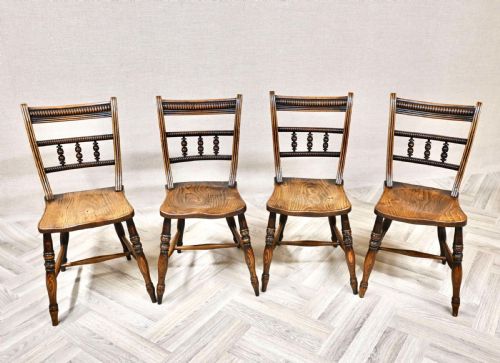
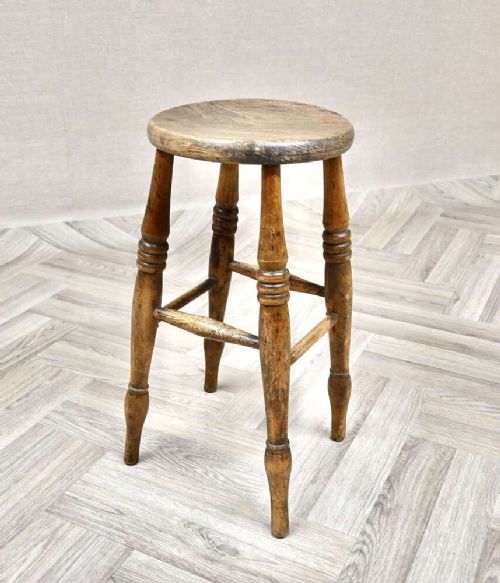
A victorian oak bar covers a varied selection of domestic and hospitality furniture from the nineteenth century. Buyers encounter tall pub stools, kitchen barback chairs, and metamorphic drink cabinets designed for spirits and wine.
The material focus centres firmly on oak, often blonde or golden, paired alongside occasional elm, beech, and sycamore. Forms shift from rustic farmhouse seating to elaborate dry bars fitted with cut glass decanters and games compendiums.
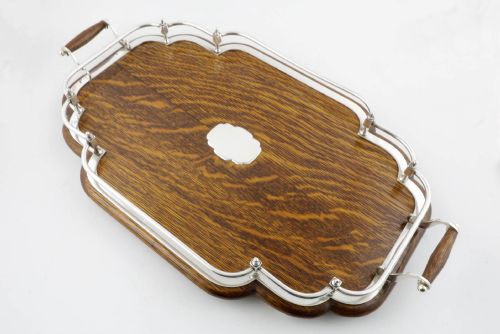
Originating largely from English country houses and public taverns, these pieces reflect both robust utility and social entertaining. Tall bar stools and butler trays sit alongside front and back bars or ice buckets furnished with silver plate.
Materials and construction methods
Makers utilised solid timbers such as oak, wild elm, and beech to build frames capable of withstanding heavy daily use in pubs and kitchens. Wood surfaces were often left with natural grain visible, showing the honest joinery of the period.
Metal and glass additions involve brass hardware, silver plate mounts, and cut glass decanters fitted securely into locking tantalus mechanisms. These secondary materials elevate functional items into decorative fixtures for home hospitality.
Victorian Oak Bar Retail Price Guide 2026
Typical asking prices for victorian oak bar among the pieces listed under this phrase on Sellingantiques today, from the lower quarter to the upper quarter. They describe what is for sale here now, not the wider market.
Listings feature nineteenth century pieces spanning oak, elm, and beech, alongside silver plate and cut glass barware.
Distinctions in quality and execution
Quality rests upon the selection of timber figures, such as pollard or blonde oak, and the integrity of the original locking mechanisms on dry bars and tantalus sets. Finer pieces incorporate complete sets of matched cut glass decanters and integrated games compendiums.
Structural honesty defines the seating, where sturdy joinery in tall tavern stools and Windsor kitchen chairs separates utilitarian survivors from lesser examples. The presence of original silver plate mounts and unaltered wooden surfaces marks the upper tier of the range.
The Victorian Oak Bar Glossary
- Tantalus
- A locked cabinet holding decanters that displays the contents while preventing unauthorised access. The frame secures the stoppers in place until a key unlocks the mechanism.
- Barback chair
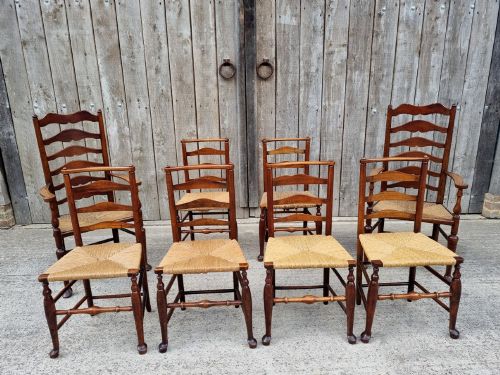
- A seating form featuring horizontal rails across the backrest, commonly found in kitchens and tavern settings. These chairs offer sturdy support for frequent sitting.
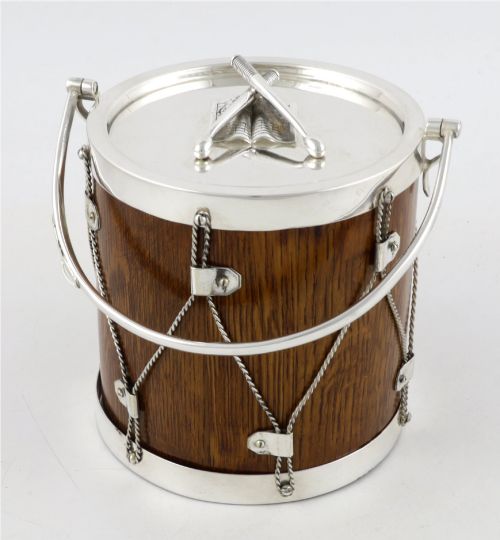
- Military drum ice pail
- A cooling bucket styled after a regimental drum, typically constructed from wood with metal or silver plate bands. These items kept ice cold during nineteenth century dining and entertaining.
- Metamorphic furniture
- Pieces designed to transform from one form into another, such as a bureau opening into a cocktail cabinet. This clever engineering suited compact Victorian interiors.
- Dished top
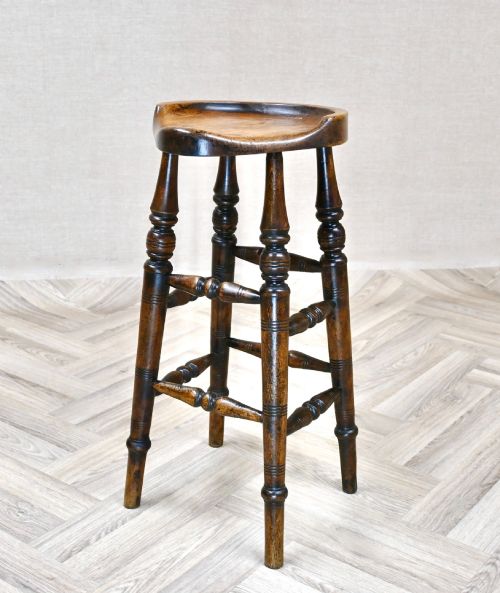
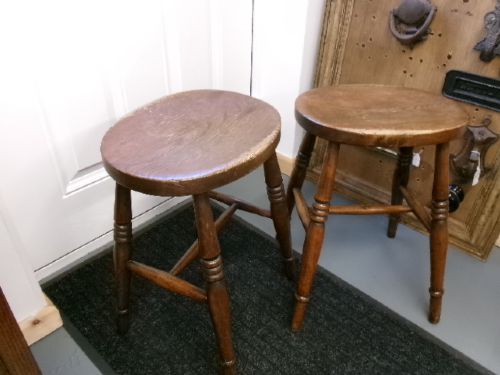
- A seat carved with a shallow concave depression for comfort. Tavern stools frequently employ this shape for practical seating.
Victorian Oak Bar: Frequently Asked Questions
What is a Victorian tantalus dry bar?
A Victorian tantalus dry bar is a locking cabinet designed to hold crystal decanters and sometimes incorporate games compendiums. These units served as secure storage for spirits in country houses.
They combine practical entertaining equipment with fine cabinetry, often utilising blonde or golden oak. The locking mechanism protects the contents while displaying the cut glass bottles.
How were tall tavern stools used?
Tall tavern stools provided seating around high counters and pub bars during the nineteenth century. Their sturdy frames accommodated heavy public use.
Examples often feature oval dished tops and robust wooden stretchers for stability. Elm and oak were common choices to ensure durability.
Are these pieces suitable for modern homes?
These items integrate easily into modern living spaces as functional seating, serving stations, or cocktail cabinets. Their robust construction suits everyday use.
Items like butler trays, bar stools, and metamorphic drinks cabinets add character and practical surface area to contemporary kitchens and living rooms.
What woods appear most often?
Oak is the predominant timber, appearing in blonde, golden, and pollard variations across cabinets and trays. Elm, beech, and sycamore also feature in seating.
These domestic hardwoods provided the strength needed for tavern stools and kitchen chairs. The natural grain is typically left exposed.