





Victorian Novelty Glass
Victorian novelty glass pieces combine playful animal and object forms with practical utility, offering collectors charming conversation starters from the nineteenth century.
Victorian Novelty Glass
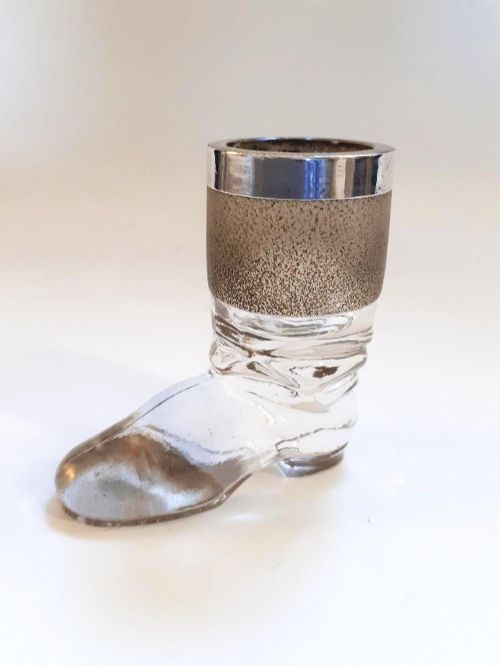
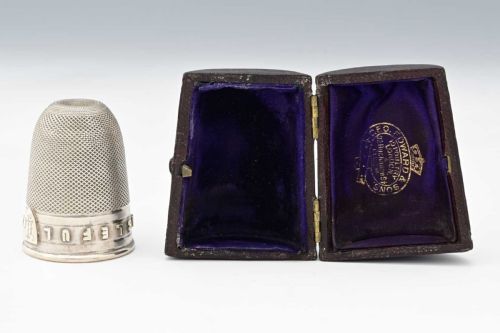
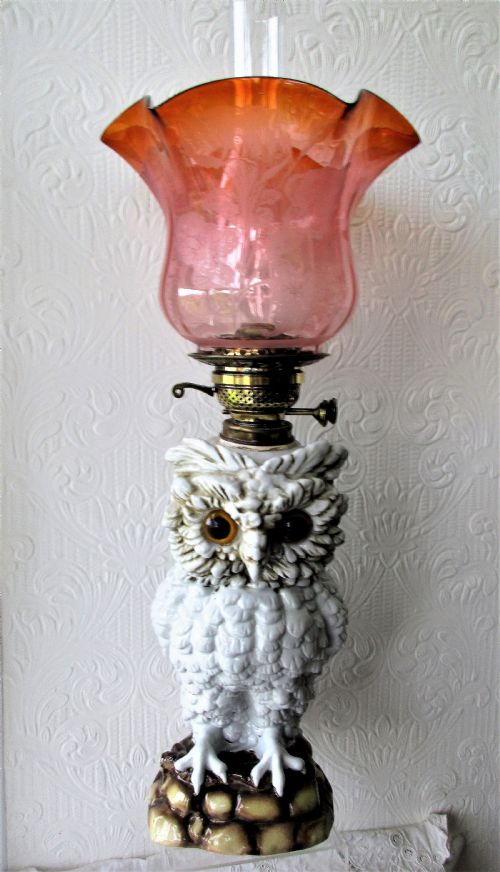
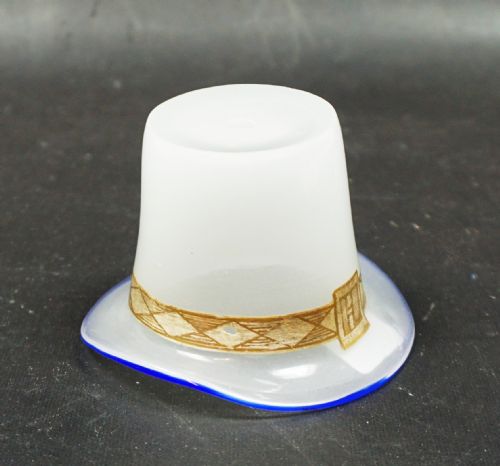
Victorian novelty glass items take familiar domestic and zoological shapes, transforming functional objects like decanters, inkwells, scent bottles, and cruet sets into playful figures such as owls, dogs, ducks, thimbles, and hats. These witty designs reflect a Victorian taste for amusement alongside utility, appearing frequently alongside silver, brass, porcelain, and pewter mounts.
The selections on this page span the mid to late nineteenth century, encompassing English Nailsea pieces with coloured cane decoration, Bohemian glass animals, and French opaline or gilt-mounted trinket forms. Buyers encounter everything from small scent bottles mounted in sterling silver to larger decanters and oil lamps formed as birds or fruit.
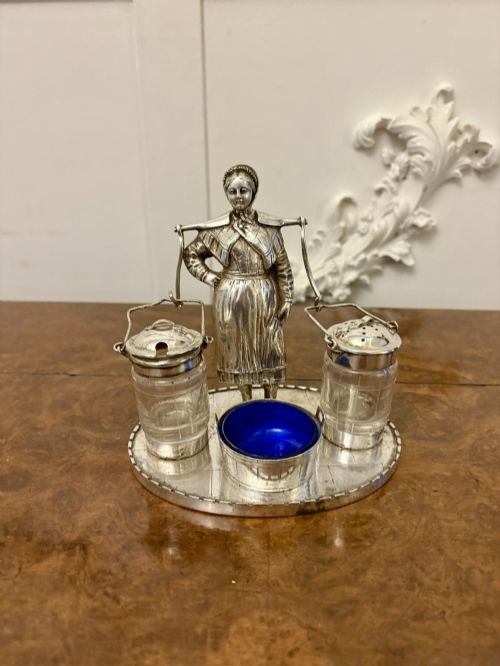
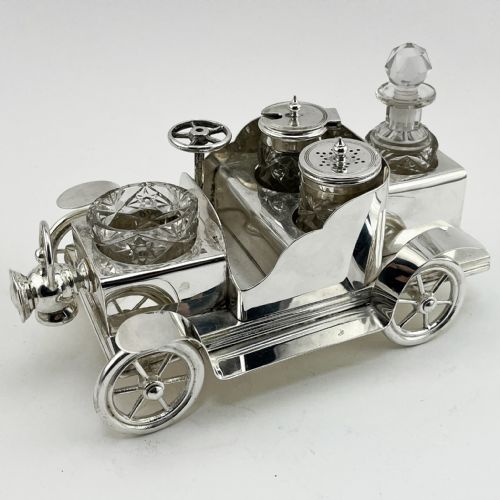
Forms cross over between desk accessories, dining table cruets, and personal scent containers, often incorporating cut glass, frosted crystal barrels, or cranberry glass. Each piece relies on whimsy, turning standard household vessels into sculptural objects.
How they were made
Makers combined blown and moulded glass with metalworking techniques, fusing glass bodies with sterling silver, silver plate, brass, and pewter mounts. Glass workers utilised techniques like cane decoration and opaline colouring, while metalworkers cast mounts and hinged lids to fit irregular glass animal or object shapes.
Cut glass and frosted crystal provided texture for items like barrels and decanters, often paired with hand-painted details or applied glass eyes on animal figures. Artisans integrated glass with carved wood, porcelain, or bronze elements in desk stands and oil lamps, uniting disparate materials into cohesive novelty forms.
Victorian Novelty Glass Retail Price Guide 2026
Typical asking prices for victorian novelty glass among the pieces listed under this phrase on Sellingantiques today, from the lower quarter to the upper quarter. They describe what is for sale here now, not the wider market.
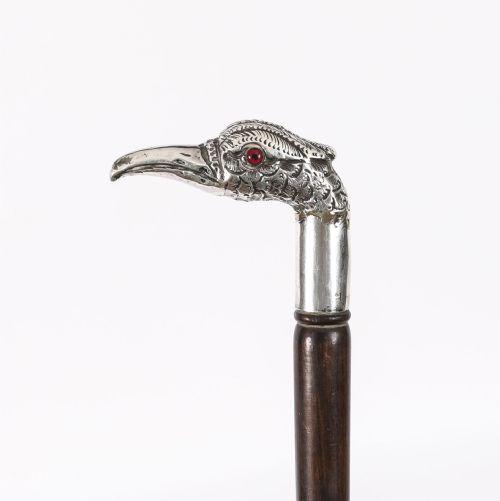
Common animal forms in these listings include owls, bears, dogs, monkeys, and ducks rendered in glass, metal, and porcelain.
What varies in quality
Quality rests in the precision of the modelling and the integration between the glass body and its metal mounts. Finer pieces display crisp casting in the silver or brass elements, secure hinge work, and well-proportioned glass forms that capture the likeness of animals or objects without awkward distortion.
The sophistication of the glass itself dictates the upper tier, seen in delicate cane work, rich opaline colour consistency, and clean cut glass facets. Lesser examples show heavier, less refined glass moulding and simpler mounts with less attention to anatomical or sculptural detail.
Sitzendorf
The Victorian Novelty Glass Glossary
- Opaline glass
- An opaque or translucent glass, often white, popular in nineteenth-century French and English decorative pieces. It provides a smooth, porcelain-like surface that accepts painted or gilt decoration well.
- Cane decoration
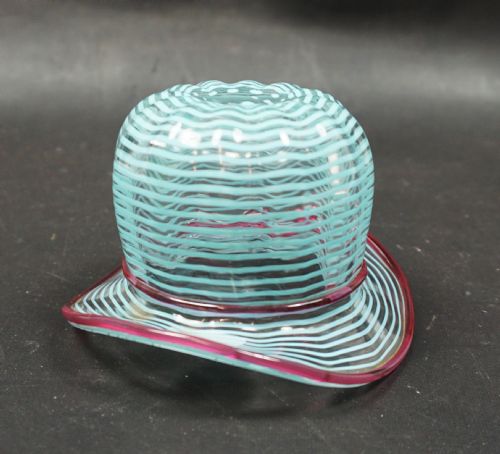
- A technique where coloured glass threads or rods are fused into the body of a blown glass piece during creation. This produces distinctive striped or combed patterns, frequently seen in Nailsea glass.
- Cruet set
- A matched collection of bottles or containers holding condiments like oil, vinegar, salt, and pepper, often housed in a novelty silver-plated or metal stand.
- Scent bottle
- A small container designed for holding liquid perfume, frequently fitted with a hinged silver cap and mounted directly onto glass bodies shaped as eggs, birds, or fruit.
- Cranberry glass
- A rich red glass coloured with gold chloride, commonly utilised for small scent bottles and decorative tableware during the Victorian period.
Victorian Novelty Glass: Frequently Asked Questions
What were novelty glass pieces used for?
Victorian novelty glass items served everyday practical functions on desks, dining tables, and dressing rooms while doubling as amusing ornaments. Pieces held ink, scent, liquor, or condiments disguised as animals, clothing, and everyday objects.
Owners used them to entertain guests and spark conversation in drawing rooms and offices. Their dual nature as utility items and curiosities made them popular gifts and household accessories.
How should I display novelty glass?
Display these pieces in well-lit cabinets or on stable desk surfaces where their sculptural forms and coloured glass can be appreciated from multiple angles. Grouping items by theme, such as animal figures or desk accessories, highlights their varied materials and manufacturing techniques.
Keep pieces away from direct sunlight to preserve coloured glass and painted highlights. Ensure heavier items like inkstands or decanters rest on secure, level surfaces to protect delicate glass and metal mounts.
What is Nailsea glass?
Nailsea glass refers to distinctive glassware produced at the Nailsea glassworks near Bristol, England, operating from the late eighteenth through the nineteenth century. It is best known for its white or coloured milk glass decorated with looped, combed, or threaded glass canes.
Typical forms include flasks, pipes, and hats featuring contrasting pink, blue, or red trails. This technique gives the glass a charmingly naive, folk-art appearance that remains distinct from continental European production.