



English Glass Novelty
English glass novelty pieces bring wit to the desk and table, combining animal forms and functional objects with distinct Victorian charm.
English Glass Novelty
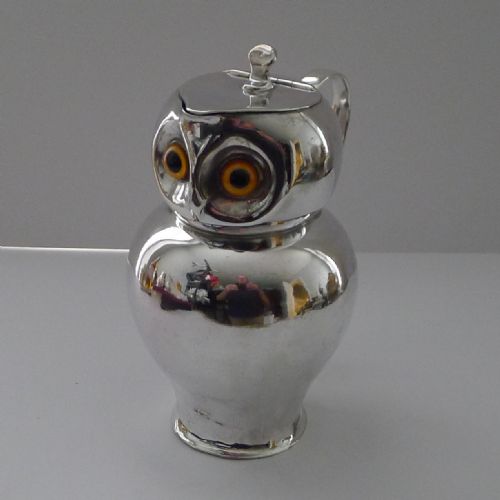
An English glass novelty piece combines utilitarian desk or dining wares with humorous animal or figural forms, frequently featuring inset glass eyes. The selection encompasses cruet sets, inkwells, jugs, and menu holders alongside decorative glassware and mirrors.
The prevailing examples on this page date from the Victorian and Edwardian eras, spanning the latter half of the nineteenth century into the early twentieth century. Makers utilised silver plate, brass, gilded bronze, horn, and wood alongside blown and cut glass to construct these imaginative items.
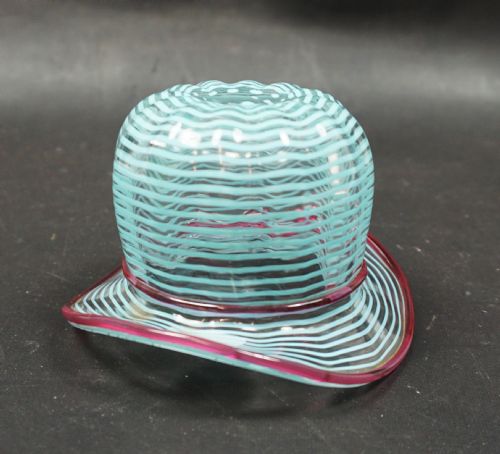
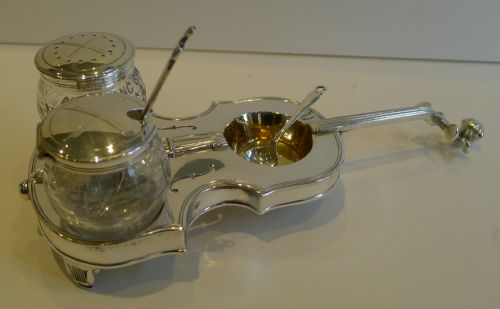
Collectors encounter domestic items shaped as owls, bulldogs, ducks, stags, parrots, horses, and lizards, as well as whimsical forms such as glass hats, pipes, and musical violins. These functional novelties served both practical desk or dining duties and decorative display roles.
Materials and methods
Artisans combined hand-blown or cut glass with cast metals including silver plate, brass, and gilded bronze to create these figural objects. Horn, oak, and wood also appear in the mounting of desk tidies and cruet sets.
English Glass Novelty Retail Price Guide 2026
Typical asking prices for english glass novelty among the pieces listed under this phrase on Sellingantiques today, from the lower quarter to the upper quarter. They describe what is for sale here now, not the wider market.
Listings feature items from the Victorian and Edwardian eras, utilising glass, silver plate, brass, bronze, wood, and horn.
Assessing quality
Quality rests upon the sculptural precision of the metal casting and the liveliness of the figural expression, particularly in animal subjects such as owls, dogs, and birds. Superior pieces exhibit crisp detail in feathers and fur that integrates seamlessly with the glass or metal body.
The preservation of original components, including inset glass eyes, silver plating, and associated glass liners or bottles, dictates the standing of a piece. Finer examples maintain their original gilding or plating without excessive wear, alongside undamaged decorative cane work or blown glass forms.
Sampson Mordan
The English Glass Novelty Glossary
- Nailsea
- A style of glasswork originating from Somerset, England, known for looped, combed, or cane decorations in contrasting colours. Pieces often include flasks, pipes, and hats featuring milky white or coloured glass threads.
- Cruet set
- A matched assemblage of glass bottles or containers used for holding condiments at the dining table, frequently mounted in silver-plated or wooden frames. Novelty versions incorporate figural themes like musical instruments or animals.
- Inkwell
- A small container for holding ink, placed upon a desk alongside a pen tray. Victorian examples frequently took imaginative figural forms featuring hinged lids and glass inserts.
- Silver plate
- A base metal, such as copper or Britannia metal, coated with a thin layer of sterling silver. This technique allowed makers to produce ornate figural items at a lower cost than solid silver.
English Glass Novelty: Frequently Asked Questions
What are English glass novelty pieces?
These objects are functional items such as inkwells, cruet sets, jugs, and desk accessories formed into humorous animal or figural shapes. They incorporate glass eyes, blown glass bodies, or metal mounts.
Produced primarily during the Victorian and Edwardian periods, they combine utility with playful design to amuse the user.
How were these novelty items used?
They served practical functions on writing desks and dining tables while doubling as conversation pieces for guests. Inkwells held writing fluid, cruet sets held condiments, and menu holders kept table placements organised.
The clever integration of animal subjects into everyday desk and dining gear brought a lighthearted touch to formal Victorian rooms.
How do I identify Nailsea glass?
Nailsea glass is identified by its distinct decorative technique involving loops, stripes, or combed threads of coloured glass embedded within a clear or opaque white ground. Typical forms include decorative pipes and hats.
This regional English glasswork dates prominently from the nineteenth century and displays characteristic surface patterns created by applying molten glass trails.
How do I care for silver plated novelties?
Keep these items away from direct moisture and clean the metal components gently with a soft cloth to preserve the silver plate. Avoid harsh chemical dips that strip the historic finish.
Handle glass inserts and attached glass eyes with care during cleaning to prevent accidental displacement or damage to the original setting.