


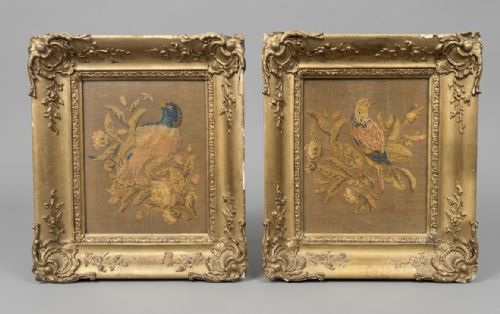


Victorian Needlepoint Art
Victorian needlepoint art brings centuries-old textile skill into modern rooms through framed wool, silk, and canvas works.
Victorian Needlepoint Art
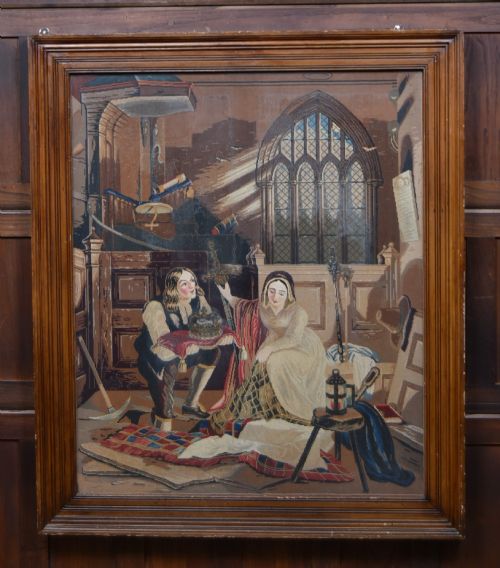
Victorian needlepoint art encompasses framed wall pieces, samplers, and decorative textiles created during the nineteenth century. Buyers seek these items for their historic domestic character and narrative subjects.
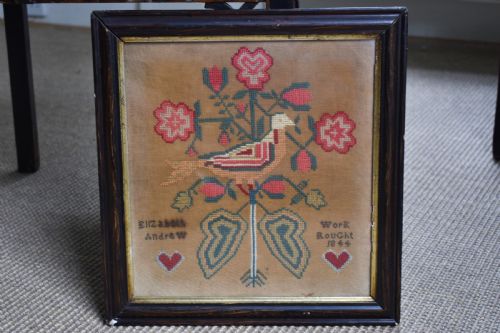
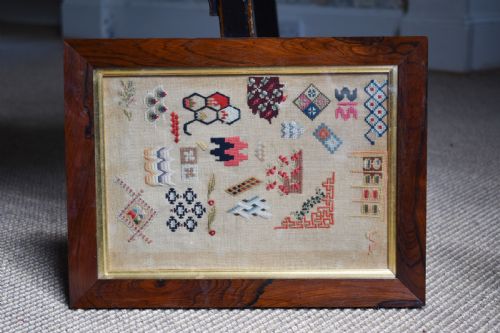
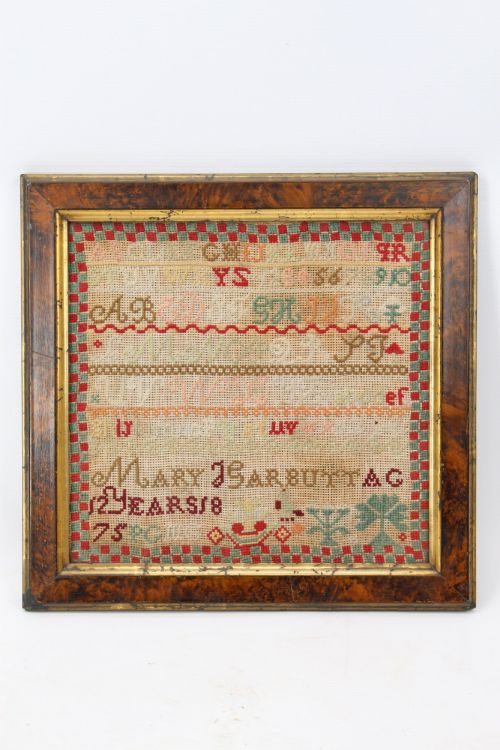
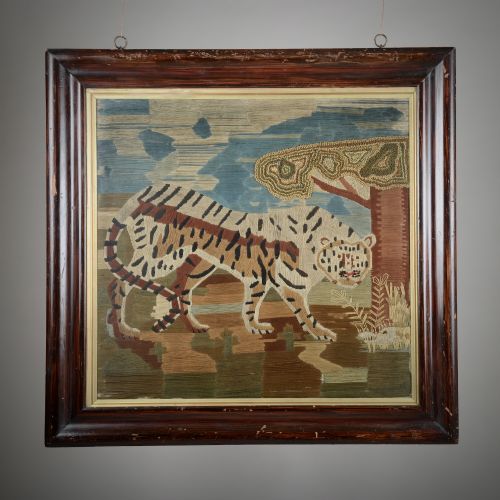
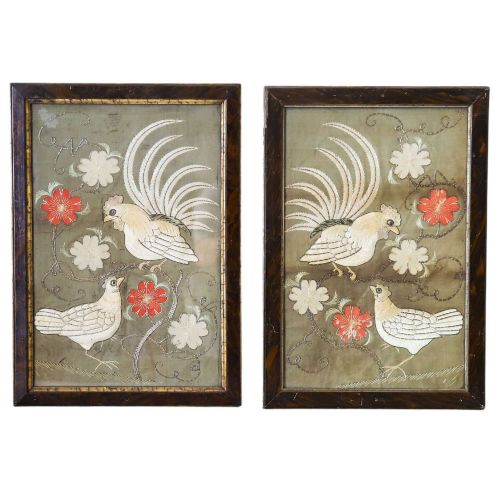
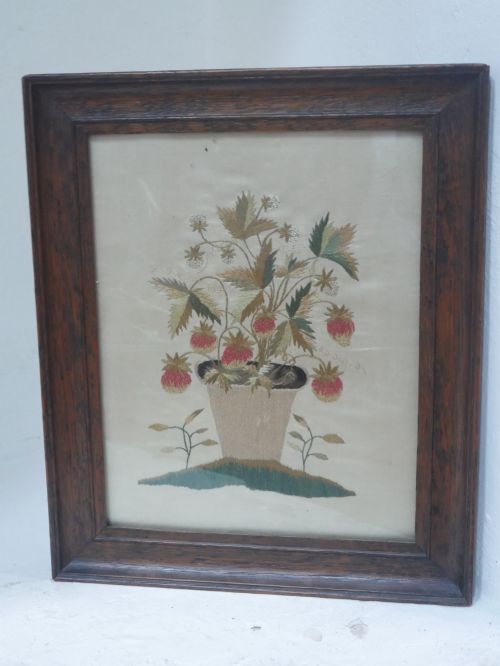
The most common formats found here include woolwork pictures, samplers worked by young girls, and framed silk embroideries. Styles range from Victorian folk art and Gothic Revival to Art Nouveau.
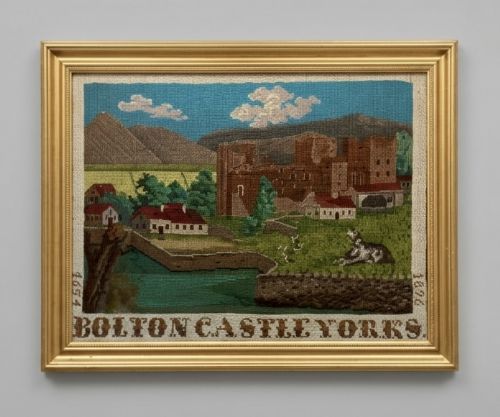
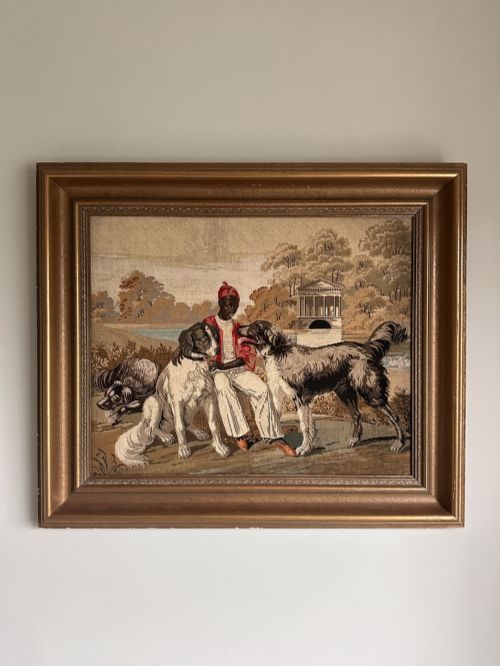
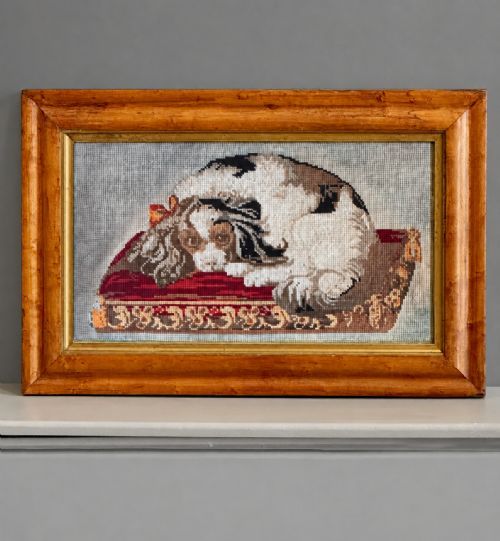
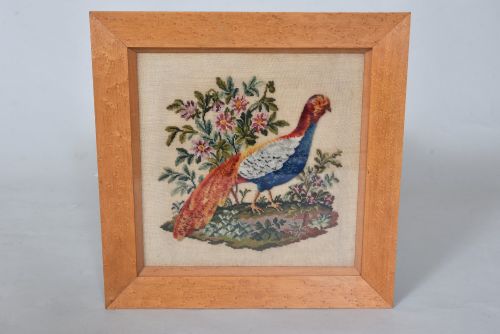
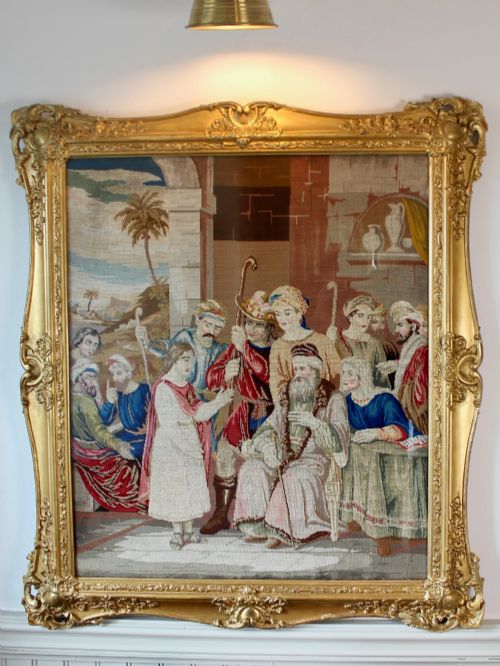
Subjects span biblical scenes, royal commemorations, animals such as spaniels and pheasants, and portraits of noblemen or sailors. Many retain their original burr maple, giltwood, or brass frames.
Materials and Techniques
Makers stitched wool, silk, and linen thread onto canvas or linen grounds using needlepoint, gros-point, and plushwork techniques. Berlin work charts provided standardised patterns for colourful wool compositions.
Framing utilised wood, giltwood, and faux tortoiseshell to protect the fragile textile panels. Glass frequently covered the embroidered surface to shield the fibres from dust and light.
Victorian Needlepoint Art Retail Price Guide 2026
Typical asking prices for victorian needlepoint art among the pieces listed under this phrase on Sellingantiques today, from the lower quarter to the upper quarter. They describe what is for sale here now, not the wider market.
The inventory records diverse forms, from woolwork animal portraits and sailor woolies to signed schoolgirl samplers.
Evaluating Quality
Quality rests on the intricacy of the stitchwork, the precision of the design, and the vitality of the remaining thread colour. Finer canvases and varied stitch types produce greater depth and detail in portraits and landscapes.
The survival of original frames, such as burr maple or ornate giltwood, enhances the integrity of the piece. Samplers derive distinction from documented maker names, ages, and dates.
The Victorian Needlepoint Art Glossary
- Berlin work
- A style of needlepoint popular in the nineteenth century that used printed and hand-coloured squared paper grids. It allowed stitchers to create complex coloured pictures using wool on canvas.
- Woolie
- A form of embroidered textile art typically created by sailors using leftover yarn. These works often depict ships, naval scenes, or figures such as sailor girls.
- Sampler
- A piece of needlework produced to demonstrate skill in various stitches and alphabets. They frequently include the maker's name, age, and a date.
- Gros-point
- A coarse type of needlepoint stitch worked on canvas. It creates a durable, textured surface well suited for large pictorial scenes.
- Plushwork
- An embroidery technique involving looped stitches that were cut to create a raised, velvet-like pile. It adds tangible texture to animal depictions.
Victorian Needlepoint Art: Frequently Asked Questions
What is Victorian needlepoint art?
Victorian needlepoint art consists of stitched textile pictures, samplers, and panels produced during the nineteenth century. These items use wool, silk, and linen threads on canvas grounds to depict animals, portraits, and historic scenes.
Most pieces were framed for domestic display in parlours and morning rooms. They reflect both domestic handcraft traditions and popular visual culture of the period.
How were samplers made?
Makers stitched alphabets, numbers, motifs, and verses onto linen or canvas using coloured threads. Young girls often worked these pieces as part of their education to demonstrate needlework proficiency.
Signatures, ages, and dates were frequently included at the bottom of the composition. Surviving examples often preserve these personal details alongside stitch errors made during creation.
How do I hang needlepoint art?
Display these textiles away from direct sunlight to prevent the silk and wool threads from fading. Maintaining stable room humidity protects the historic fabric and wooden frames.
Ensure pieces are glazed with protective glass to shield the delicate fibres from dust and airborne pollutants. Secure hanging hardware directly into wall studs given the weight of framed glass panels.
What are woolies?
Woolies are embroidered pictures made by nineteenth-century sailors using spare yarn on canvas. They typically portray naval vessels, flags, or figures from maritime life.
These works represent a distinct branch of folk art created at sea. Their naive charm and historic subject matter make them distinct from domestic parlour needlework.