






Victorian Natural History Mount
A Victorian natural history mount brings the preserved drama of the wild directly into the interior, turning preserved specimens into lasting works of art.
Victorian Natural History Mount
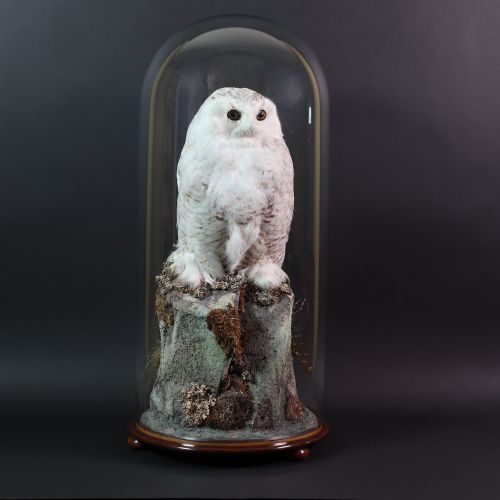
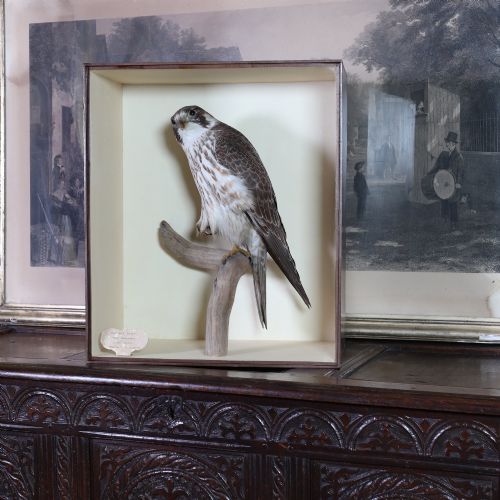
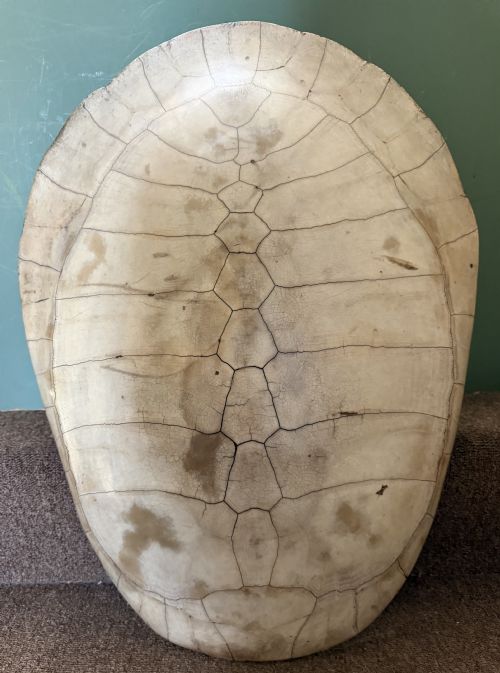
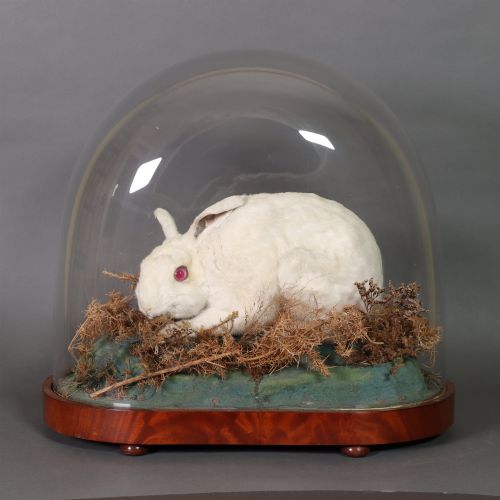
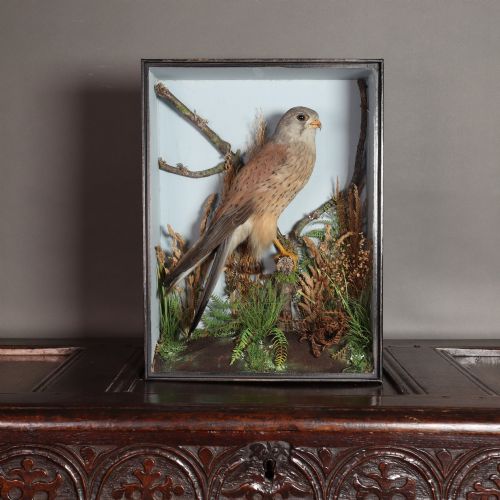
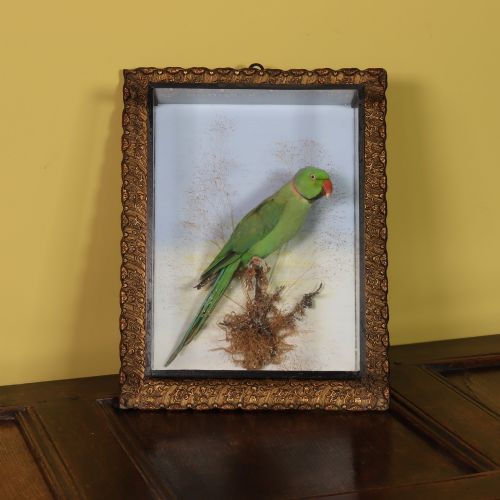
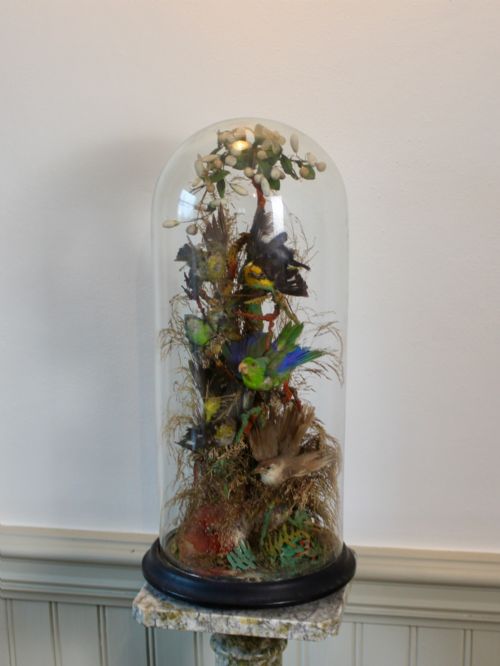
A Victorian natural history mount encompasses preserved birds, fish, mammals and reptiles set within glazed display cases, under glass domes, or mounted as wall trophies.
Pieces from this category span the nineteenth century and into the Edwardian era, reflecting a period of intense fascination with natural science and collecting.
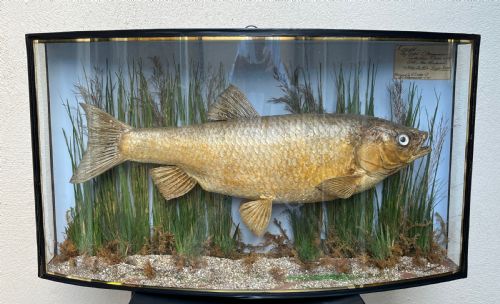
The selections encountered here range from single fish in curved glass boxes and grouped exotic birds to large mammalian head trophies mounted on carved oak shields.
Materials and construction
Taxidermists utilised wood for structural cases and backing shields, frequently employing oak and ebonised timber to frame the specimens.
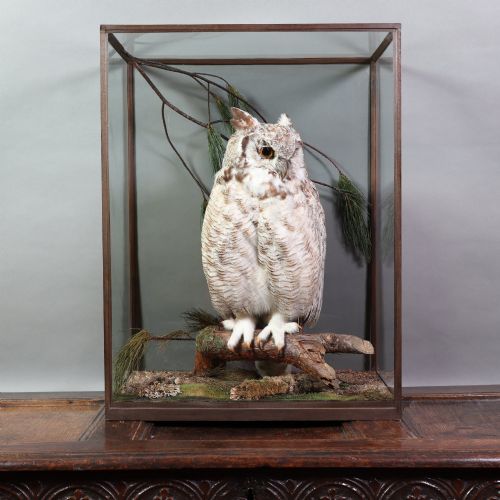
Glass domes and glazed front cases protected delicate feathers, fur and painted background dioramas from dust and handling over decades.
Specimens were carefully posed within artificial environments constructed from paper, moss, and painted elements to simulate natural habitats.
Victorian Natural History Mount Retail Price Guide 2026
Typical asking prices for victorian natural history mount among the pieces listed under this phrase on Sellingantiques today, from the lower quarter to the upper quarter. They describe what is for sale here now, not the wider market.
Some Victorian taxidermists prepared entire dining parties of red squirrels playing cards for eccentric drawing room displays.
Factors of quality and execution
The reputation and skill of the taxidermist dictate the anatomical accuracy and lifelike posture of the preserved creature.
The complexity of the surrounding case work, including painted snow scenes or detailed botanical additions, elevates the artistry of the display.
Original glass and untouched period framing preserve the historical integrity of the piece far better than later restorations.
Little & Co·J Griffiths of Burford·James Gardner of London·Rowland Ward Ltd·T E Gunn·William Bazeley & Sons·Gerrard & Sons London·S King·A Pollard·Hutchings of Aberystwyth·James Jones of London·J Cooper & Sons
The Victorian Natural History Mount Glossary
- Taxidermy
- The art of preserving, stuffing, and mounting the skins of animals for display. It requires precise anatomical knowledge to recreate natural forms.
- Dome
- A bell-shaped glass cover set on a base to protect delicate bird or insect specimens. These created miniature enclosed worlds for Victorian drawing rooms.
- Shield
- A carved wooden backing board, often oak, used to mount mammalian horns or head trophies for wall hanging. They frequently feature detailed carving.
- Case
- A glazed wooden box designed to house a complete taxidermy display, often incorporating painted backgrounds. Fish specimens were commonly curved inside convex glass.
- Lithograph
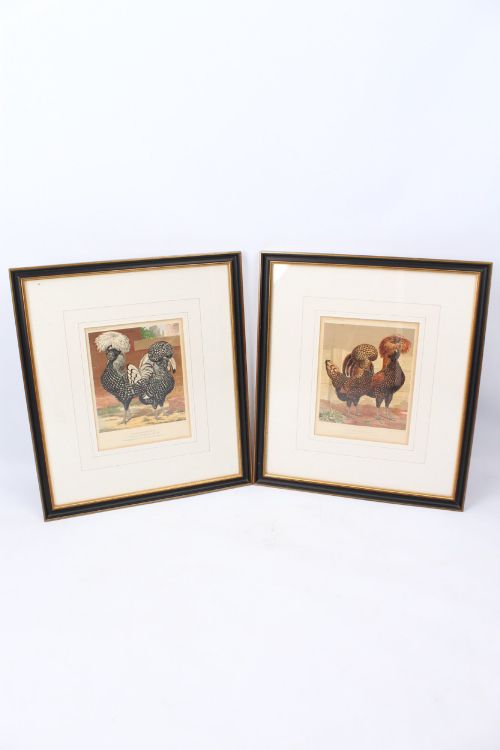
- A print made from a stone or metal plate, used to produce illustrative plates of animals and birds. These prints often accompanied natural history collections.
Victorian Natural History Mount: Frequently Asked Questions
Where were these displayed originally?
Homeowners placed these specimens in studies, libraries, and drawing rooms as conversation pieces and evidence of scientific curiosity.
Larger trophies adorned Highland hunting lodges and club rooms to showcase sporting pursuits.
Are fish mounts different from birds?
Fish were typically dried, painted, and mounted inside convex glass cases designed to mimic the appearance of water.
Birds and mammals relied on internal wire armatures and stuffed bodies arranged amidst artificial foliage or snow scenes.
How do I date an antique mount?
Examine the construction of the wooden case, backboards, and any paper maker labels pasted inside or underneath.
Stylistic clues in the taxidermy technique and framing materials often point toward specific decades in the nineteenth century.