




Victorian Mustard Spoons
These Victorian mustard spoons are small silver utensils designed to serve mustard from table pots, offering a touch of period detail for the dining table.
Victorian Mustard Spoons
When searching for victorian mustard spoons, you encounter small serving implements originating mainly from the nineteenth century alongside related condiment pieces. The items on this page span the Victorian era, early Victorian period, and Edwardian years, with sterling silver forming the primary medium.
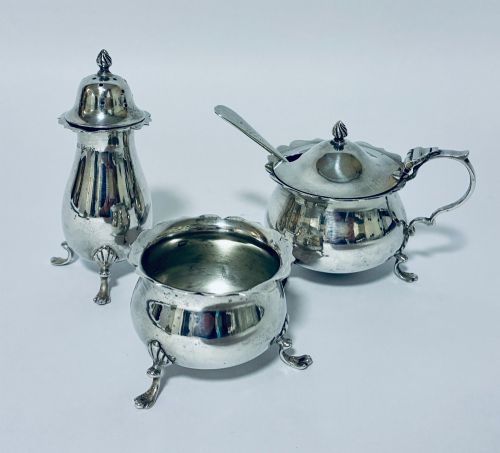
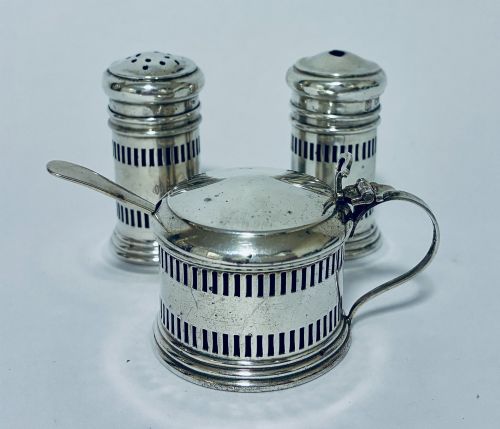
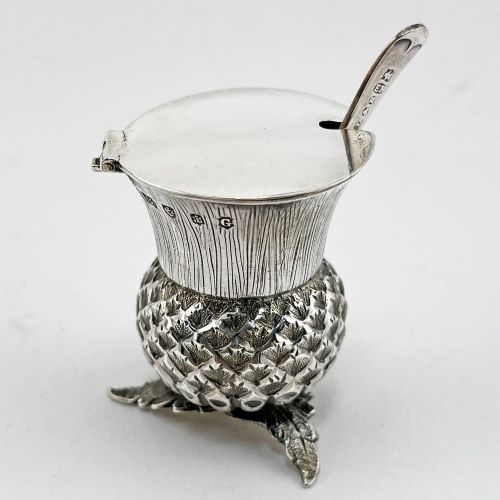
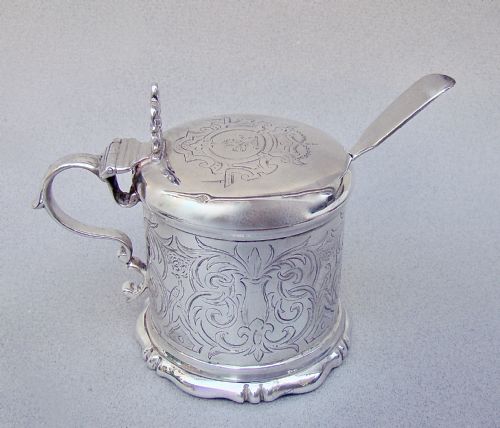
You meet both individual spoons and items associated with larger dining settings, including mustard pots, cruet sets, and condiment sets. Scottish novelty designs and standard patterns appear among the offerings, reflecting the varied output of nineteenth-century silversmiths.
How they were made
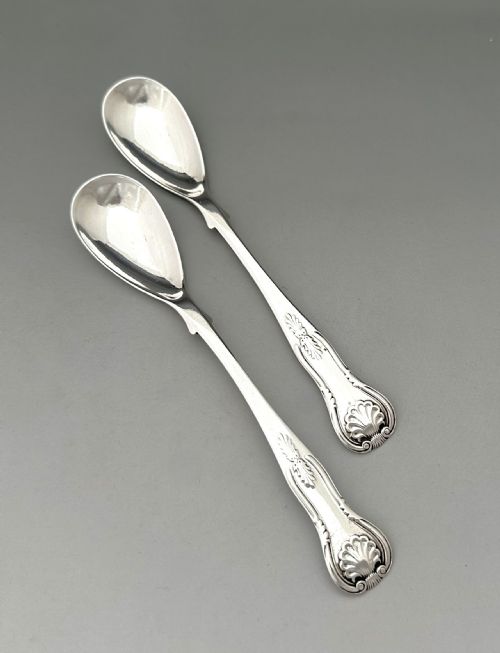
Maker workshops utilised sterling silver, shaping the metal through traditional casting, hammering, and engraving techniques. Specific examples incorporate decorative motifs such as thistles or kings patterns into the handle and bowl construction.
Makers also produced pieces featuring silver gilt finishes and integrated components like cut glass handles. London assay offices and provincial makers applied hallmarks to certify the metal standard.
Victorian Mustard Spoons Retail Price Guide 2026
Typical asking prices for victorian mustard spoons among the pieces listed under this phrase on Sellingantiques today, from the lower quarter to the upper quarter. They describe what is for sale here now, not the wider market.
What varies in quality
The distinction between standard production and finer execution lies in the crispness of the chased decoration and the weight of the sterling silver used. Pieces bearing clear maker marks and distinct regional assay stamps demonstrate higher documented provenance.
Specialised forms, such as novelty designs or items by notable makers like Hamilton & Inches and George Adams, display greater sculptural detail in the handle and bowl shaping compared to plain utility spoons.
Charles & George Fox·Hamilton & Inches·Charles Stuart Harris·George Adams
The Victorian Mustard Spoons Glossary
- Sterling silver
- A silver alloy containing 92.5 percent pure silver and 7.5 percent other metals, usually copper, ensuring durability for tableware.
- Silver gilt
- Silver that has been coated with a thin layer of gold on the surface, creating a two-tone appearance inside the bowl or across the handle.
- Hallmark
- A series of official marks stamped on precious metals by an assay office, indicating the metal standard, maker, and year of testing.
- Kings pattern
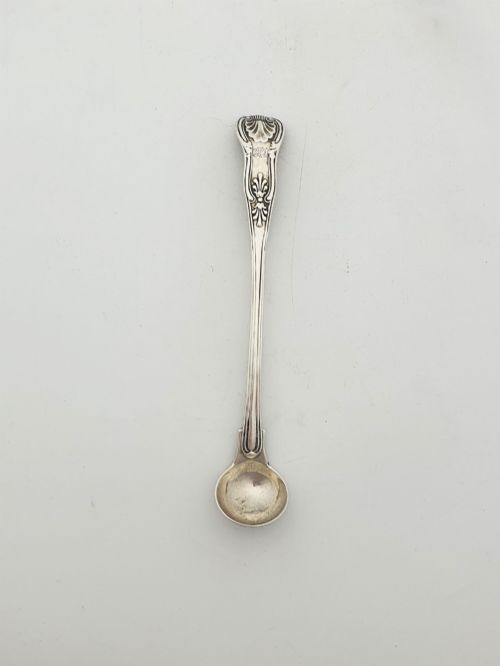
- A traditional ornate tableware pattern featuring a shell and scroll motif at the terminal of the handle.
- Condiment spoon
- A small spoon designed specifically for serving table condiments such as mustard, salt, or relish from a cruet set.
Victorian Mustard Spoons: Frequently Asked Questions
What are victorian mustard spoons used for?
These small spoons served mustard and other table condiments from pots during formal nineteenth-century dining. They accompanied mustard pots on cruet stands.
Their compact size allowed guests to transfer portions onto individual plates cleanly.
How do you clean silver mustard spoons?
Cleaning requires a soft cloth and mild silver polish formulated to remove tarnish without abrasive scrubbing. Avoid harsh chemical dips that strip away the original patina.
Store them dry in lined boxes or cloth rolls to minimise future oxidation.
Are these spoons made of solid silver?
Most pieces on this page consist of sterling silver, confirmed by stamped assay hallmarks. Some items feature silver gilt finishes where a gold layer coats the silver base.
Checking the marks on the stem reveals the specific metal standard and origin.
How do I identify a Victorian mustard spoon?
Identification relies on examining the shape, size, and any stamped hallmarks on the reverse of the stem. Victorian pieces often feature specific decorative motifs or standard serving shapes typical of the era.
Matching the hallmarks against official registry records confirms the exact date and maker.