


Victorian Mourning Locket
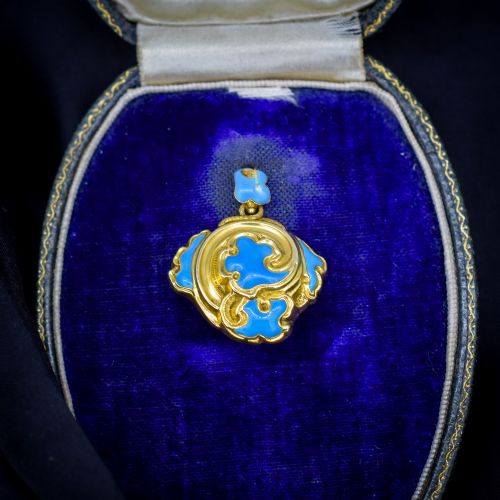
A victorian mourning locket holds memory close, fashioned in gold and enamel to carry a lock of hair or miniature portrait.
Victorian Mourning Locket
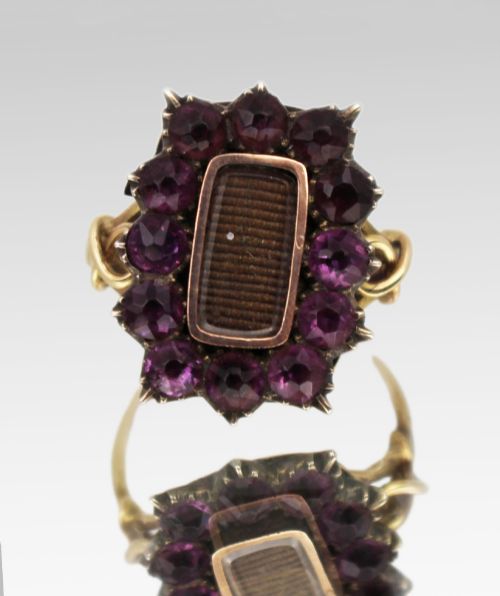
A victorian mourning locket is a piece of memorial jewellery designed to hold personal mementos such as hair work or photographs. Pieces matching this phrase span the nineteenth century, including early examples, pieces from around eighteen eighty, and occasional overlapping Georgian items.
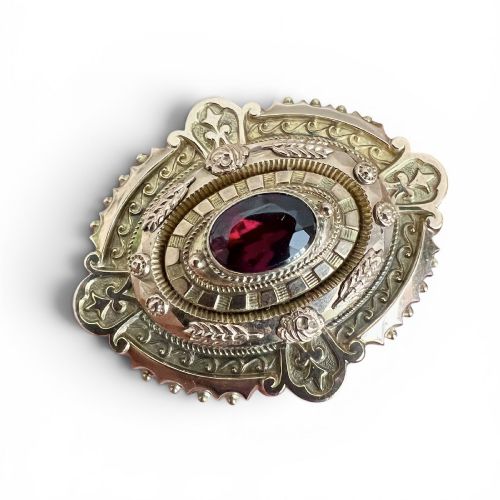
The form appears most frequently as a pendant or brooch, though related ring and watch fob formats also occur. Gold predominates in high carat forms like fifteen carat and eighteen carat, alongside silver, pinchbeck, and rolled gold.
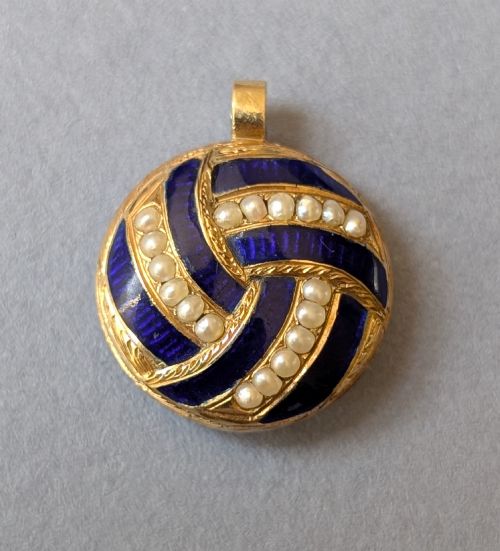
Decoration often incorporates black enamel, pearls, garnets, turquoise, and glass stones. Styles range from plain polished gold to detailed Etruscan revival work and engine-turned surfaces.
Materials and construction
Metals form the structural foundation, utilising high carat gold such as fifteen and eighteen carat, alongside silver and pinchbeck. These metals are shaped into hinged lockets, rings, and brooches designed to secure glass compartments.
Surface decoration relies heavily on black enamel, turquoise, pearls, and garnets to signify remembrance. Hair work is meticulously arranged inside glazed apertures behind glass or crystal.
Techniques include engine-turning for textured metal backgrounds and hand-carving in materials such as jet and stag antler. Structural elements frequently incorporate swivel mechanisms and secure bezels for holding stones.
Listings feature gold, silver, enamel, hair, pearls, and garnets across the Victorian period.
Assessing quality and craftsmanship
The fineness of the metal sets a baseline, with high carat golds and substantial weight marking superior examples. The complexity of the internal hair work or the precision of engine-turned engraving further distinguishes finer pieces.
The integration of decorative elements dictates visual success. Hand-set pearls, garnets, or turquoise aligned within clean enamel work represent higher tiers of craftsmanship compared to simpler production.
The Victorian Mourning Locket Glossary
- Mourning locket
- A hinged pendant designed to contain hair, a photograph, or another keepsake in memory of a deceased person. These objects often combine symbolic motifs with precious metals.
- Hair work
- The Victorian craft of arranging human hair into intricate patterns behind glass within a piece of jewellery. This technique served as a deeply personal memorial.
- Pinchbeck
- An alloy of copper and zinc developed to imitate gold. It provides a warm metallic appearance without the high cost of precious metal.
- Engine-turned
- A mechanical decoration technique that cuts geometric patterns into metal surfaces. This method creates textured light-reflecting backgrounds.
Victorian Mourning Locket: Frequently Asked Questions
What goes inside a mourning locket?
These pieces traditionally enclose a lock of human hair arranged in artistic curls behind a glass panel. Alternatively, owners placed miniature painted portraits or small photographs.
Over time, the contents served as a private remembrance of a relative or spouse who had passed away.
How can I tell the period?
Dating relies on hallmarks stamped into the metal, stylistic clues like Etruscan revival motifs, and the specific materials utilised. Enamel colours and lettering styles also offer strong chronological indicators.
Early pieces often feature simpler Georgian transitional designs, while later items reflect the distinct aesthetics of eighteen eighty.
Are these items made of solid gold?
Many examples are fashioned from high carat yellow or rose gold, specifically marked as fifteen or eighteen carat. Other pieces utilise silver, pinchbeck, or rolled gold.
Examining internal hallmarks helps confirm the exact metallic composition of each individual piece.
How should I wear a locket today?
These pieces adapt well as pendants suspended from modern or period chains. Brooch variants can be pinned securely to garments or heavy fabrics.
Care should be taken to protect the glazed compartments and delicate hair work from moisture and impact.