




Victorian Miniature Iron
These Victorian miniature iron objects span laundry equipment, salesman samples, and maritime models, offering small-scale metalwork for focused collectors.
Victorian Miniature Iron
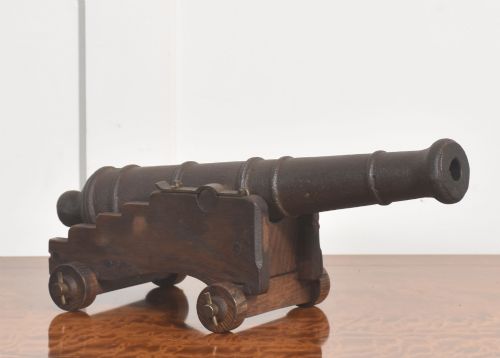
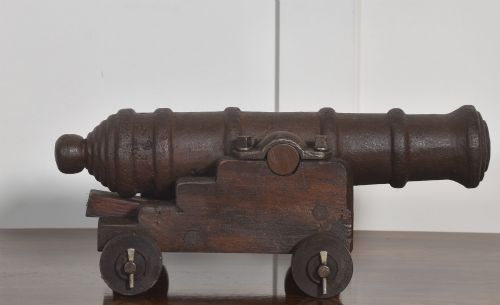
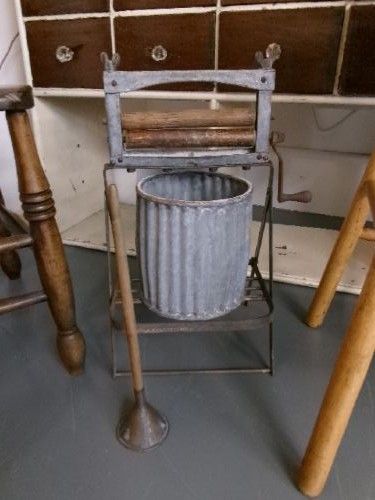
When you search for Victorian miniature iron, you encounter small decorative and functional models, including laundry equipment and salesman samples. These domestic and maritime pieces capture full-scale objects in portable formats.
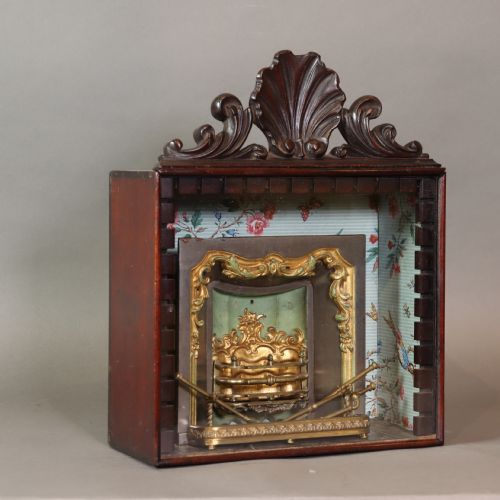
The selections here most frequently include small cast iron and brass items, alongside related models featuring wood and porcelain elements. They range from utilitarian domestic implements to ornamental cannons and fire places.
How they were made
Makers utilised cast iron and brass for durability and fine detail in these small objects, often mounting them on oak carriages or stands. These metalworking and casting techniques allowed for robust construction at a reduced scale.
Selected pieces incorporate porcelain and gold leaf details, demonstrating varied material combinations within the period. Wood elements such as oak provide sturdy bases for metal signal cannons and laundry models.
Victorian Miniature Iron Retail Price Guide 2026
Typical asking prices for victorian miniature iron among the pieces listed under this phrase on Sellingantiques today, from the lower quarter to the upper quarter. They describe what is for sale here now, not the wider market.
One tiny flat iron comes complete with its own Derby porcelain stand, proving that even laundry day deserved a touch of fine dining aesthetics.
What varies in quality
Quality rests upon the precision of the casting and the fidelity of the reduction from full-scale objects. Finer examples display crisp detailing in the metalwork and careful assembly of mixed materials.
The standard also depends on the preservation of original surfaces, such as the condition of the cast iron, brass components, and mounted wooden stands. Greater refinement appears in pieces that retain their original operational parts or manufacturer marks.
The Victorian Miniature Iron Glossary
- Cast iron
- A strong, hard alloy of iron, carbon, and silicon that is poured into a mould to form complex shapes. It serves as the primary material for many small domestic models and cannons.
- Salesman sample
- A portable miniature version of a product utilised by commercial travellers to demonstrate wares to prospective buyers. These items were built with accurate details to represent full-scale laundry equipment or fire places.
- Signal cannon
- A small ordnance piece utilised for firing blanks to mark celebrations, start races, or signal ships. These maritime and military models often feature brass barrels mounted on cast iron or oak carriages.
- Imari
- A style of Japanese porcelain decoration featuring deep blue, iron red, and gilt, which was widely emulated by European factories such as Derby. It appears on ceramic pieces associated with miniature iron displays.
- Mangle
- A mechanical laundry device consisting of rollers for wringing water from wet clothing. Miniature versions served as children's toys or commercial samples.
Victorian Miniature Iron: Frequently Asked Questions
How were miniature laundry items used?
Miniature laundry equipment such as mangles and flat irons were often produced as children's toys or as travellers samples for commercial demonstration. They allowed children to imitate domestic labour or served to show merchants the design of full-scale machinery.
These functional models operated on a small scale, mirroring the mechanical action of large laundry apparatus found in Victorian households.
How do I identify a signal cannon?
Signal cannons are identifiable by their solid metal barrels, which were designed to fire blank charges for signaling or celebratory purposes. They frequently feature brass barrels mounted upon cast iron carriages or oak bases.
Some examples include commemorative markings or specific dates relating to historical events such as the Crimean War, distinguishing them from standard decorative models.
What materials are common in these models?
Cast iron and brass form the primary structural components for the majority of these small objects and cannons. These metals provided the necessary weight and durability for accurate scale models.
Secondary materials include oak for mounting carriages, alongside porcelain and gold leaf details found on decorative vases and flat iron stands produced by period potteries.