



Victorian Miniature Armchair
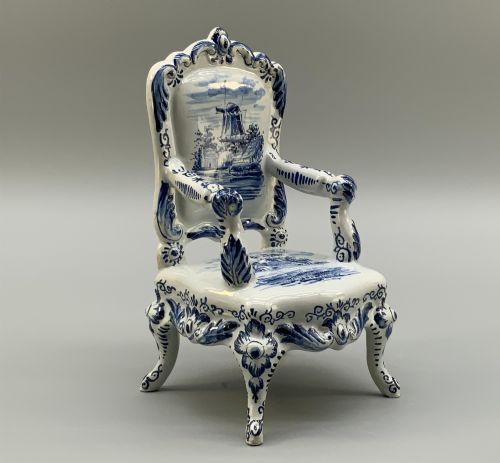
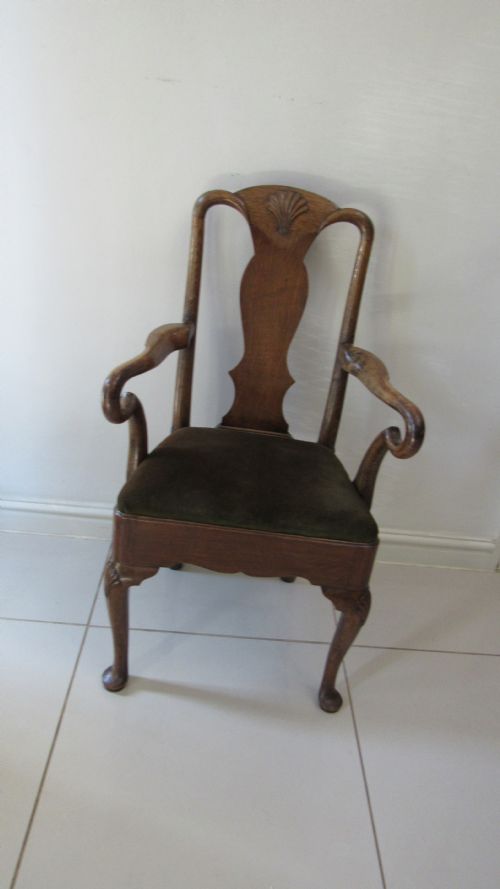
These victorian miniature armchair examples are small-scale seats built for children or display, offering period craft in diminutive proportions.
Victorian Miniature Armchair
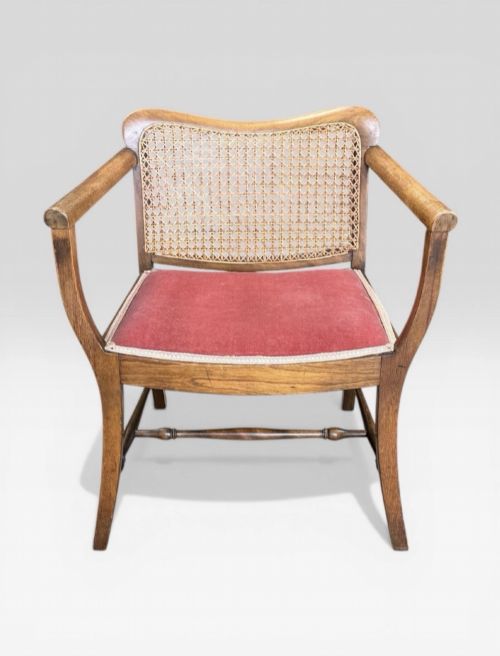
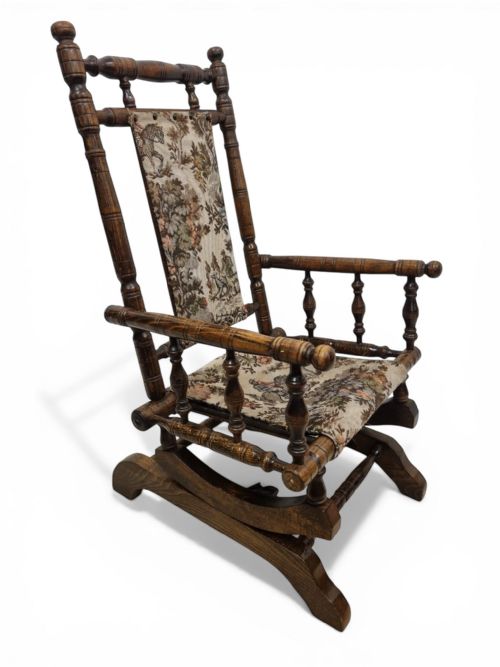
A victorian miniature armchair encompasses small seating pieces made across the nineteenth century and adjacent decades, taking the form of downscaled Windsor chairs, rocking chairs, and bergere chairs.
The category also stretches to include specialised seating such as cane-seated bergere chairs and occasional porcelain or upholstered variants from the broader Victorian period.
How they were made
Maker construction relies on traditional timber selection, combining sturdy woods like oak, beech, elm, and ash for frames and spindles.
Upholstered and decorative versions incorporate textiles such as fabric, velvet, and leather alongside cane work and brass details.
Styles represented include English Country, Victorian Country, Rustic Country, Edwardian, and French Louis XVI Style.
What varies in quality
Construction integrity separates standard joinery from superior cabinet work, particularly in the turning of spindles and the fitting of saddle seats.
Material selection dictates value, where dense yew wood or finely preserved cane and tapestry upholstery elevate the piece above simple pine or basic turnings.
James Shoolbred
The Victorian Miniature Armchair Glossary
- Windsor chair
- A wooden chair built with a solid sculpted seat into which the back legs and spindle back are wedged directly. These forms are staples of English country vernacular furniture.
- Bergere chair
- An enclosed armchair with a cane or wicker back and sides, often featuring a fitted seat cushion. This style reflects lighter decorative influences.
- Rocking chair
- A seat mounted on curved wooden rockers to allow gentle back-and-forth movement. Many nineteenth-century child examples utilise this format.
- Ebonised
- Wood finished with a dark stain or paint to imitate expensive ebony. This treatment appears on specific Aesthetic Period items.
Victorian Miniature Armchair: Frequently Asked Questions
Were these small chairs actually used by children?
Many of these small seats were indeed built for children to use in the nursery or parlor, whilst others served as detailed salesman samples or miniature decorative pieces.
The sturdy construction of elm, ash, and oak chairs points directly to everyday domestic utility by young family members.
How do I identify a Windsor armchair?
A Windsor chair is characterised by individual spindles fitted into a solid wooden seat rather than a traditional framed back.
Look for turned legs and a bowed top rail to confirm the classic country vernacular design.
How should I care for antique wooden miniature seating?
Keep wooden and cane chairs away from direct heat sources and strong sunlight to prevent the timber and natural materials from drying out.
Dust gently with a dry cloth and avoid harsh chemical polishes that can damage historic finishes.