





Victorian Military Storage Box
These Victorian military storage boxes are utilitarian trunks built for transport on colonial campaigns, prized today for their robust timber and distinctive metal fittings.
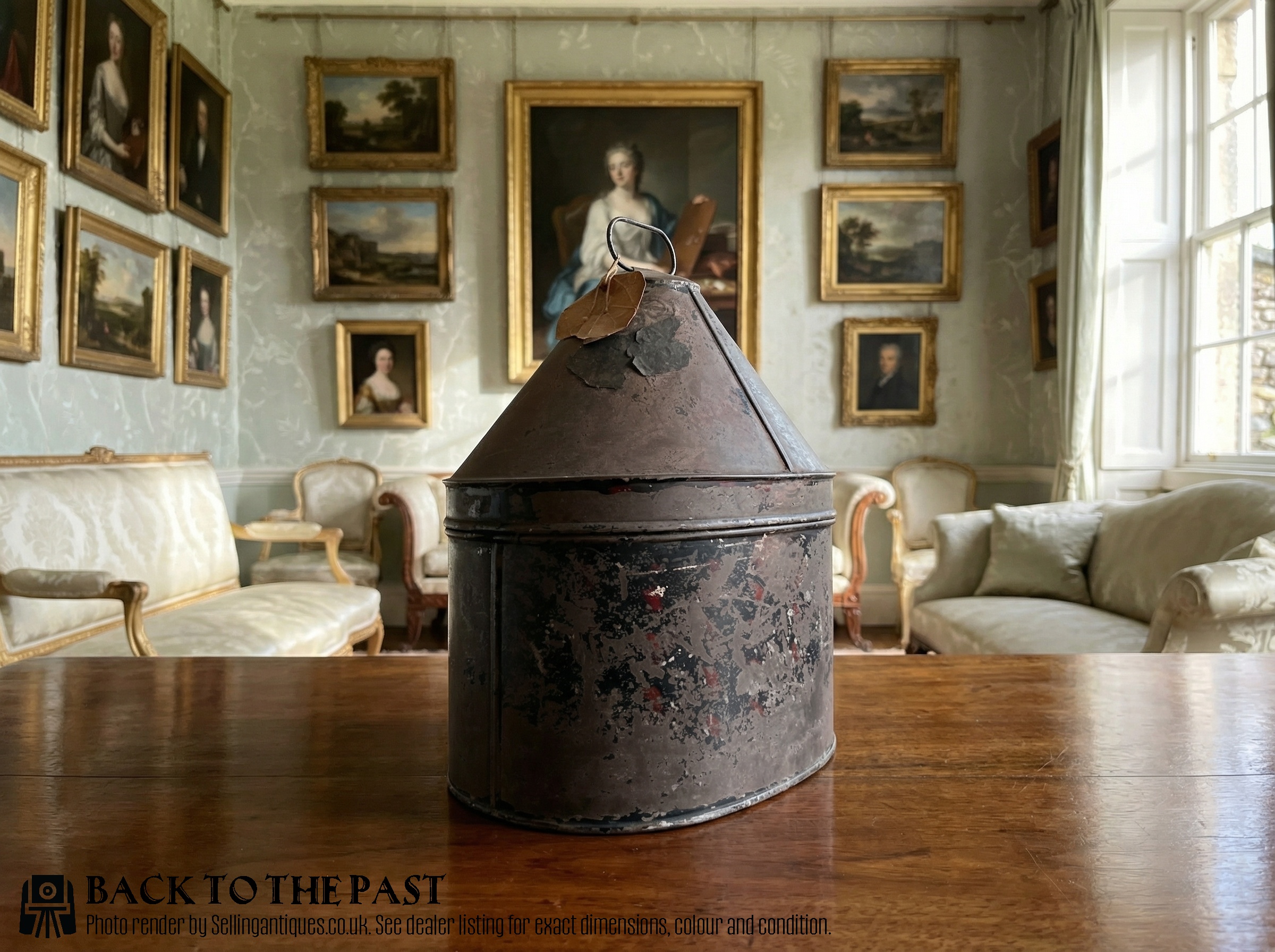
Victorian Military Storage Box
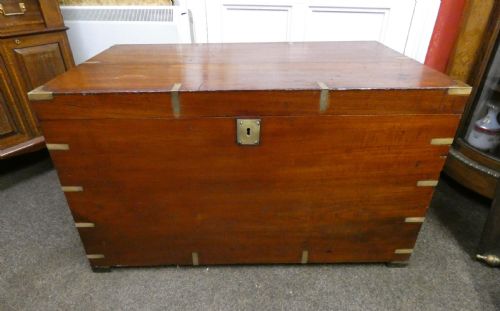
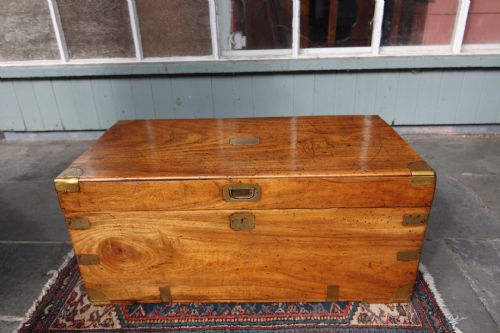
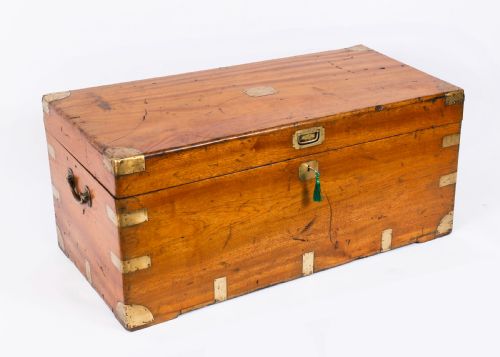
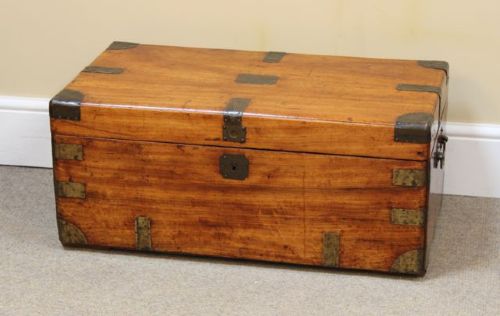
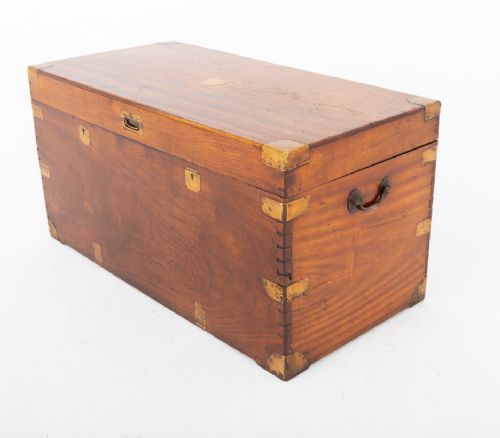
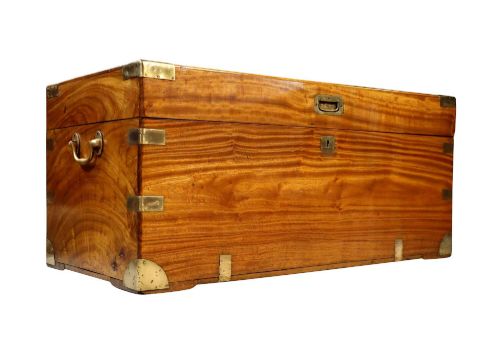
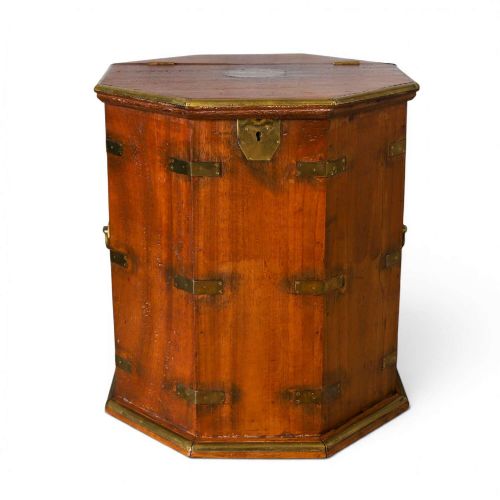
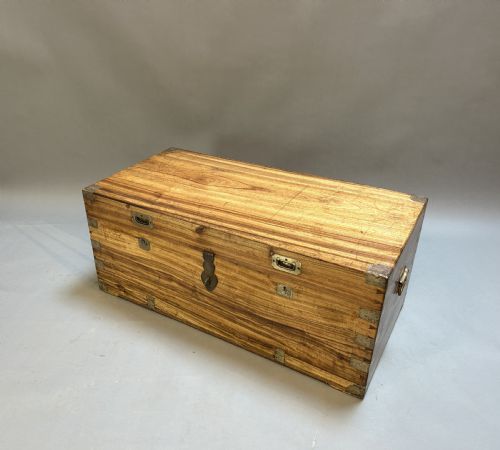
When you search for a Victorian military storage box, you encounter robust trunks and chests designed for colonial service and travel. The version you are most likely to meet on this page is a camphorwood chest reinforced with brass banding and corner plates.
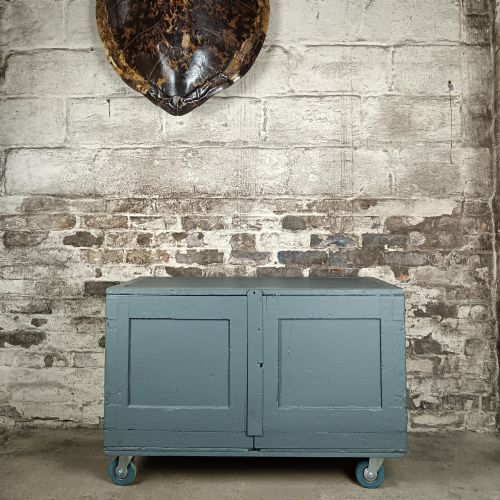
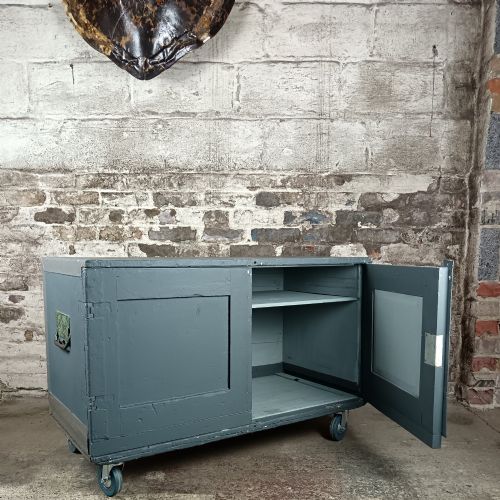
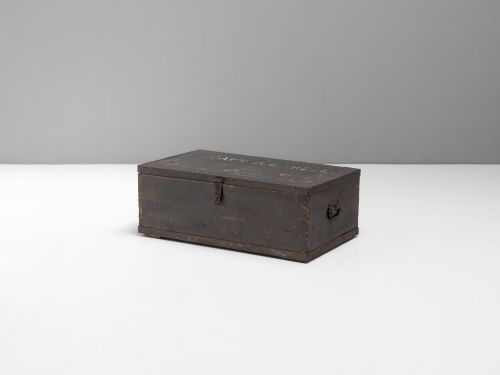
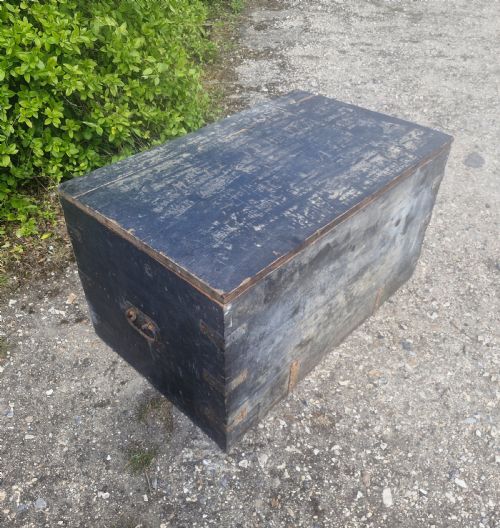
The listings span the nineteenth century, including specific dates from eighteen hundred through to nineteen hundred, alongside items from nineteen thirty. Styles range from plain campaign trunks to maritime painted pine chests and toleware tin military hat boxes.
Makers and origins connect these pieces to broader imperial trade, including Anglo-Indian workshops and regiment-associated pieces like those from the Boer War. Forms vary from large transporting packing cases down to small miniature display trunks and hat boxes.
Materials and construction methods
Makers utilised resilient timbers suited to long-distance travel and tropical climates, predominantly selecting camphorwood and teak alongside pine, oak, and iron. Camphorwood was particularly favoured for its insect-repellent properties, protecting uniforms and contents during transit.
Metal hardware formed an essential part of the construction, protecting vulnerable edges and corners from rough handling during military transport. Heavy brass corners, strapping, and flush-fitting handles were screwed directly into the timber to withstand repeated loading.
Victorian Military Storage Box Retail Price Guide 2026
Typical asking prices for victorian military storage box among the pieces listed under this phrase on Sellingantiques today, from the lower quarter to the upper quarter. They describe what is for sale here now, not the wider market.
The material record spans solid timbers alongside painted pine and toleware tin items from the nineteenth and early twentieth centuries.
Assessing quality in campaign storage
The standard of a Victorian military storage box depends on the selection of timber and the integrity of the original hardware. Solid camphorwood boards with striking grain patterns sit at the upper end, whereas standard utility pine or painted finishes represent alternative grades of production.
Hardware preservation dictates the distinction between ordinary transport cases and superior officer pieces. Original brass fittings, working locks with keys, and uncompromised internal construction separate standard utility containers from finer campaign furniture.
The Victorian Military Storage Box Glossary
- Campaign chest
- A portable storage unit built in sections or fitted with carrying handles specifically for military travel. These pieces often feature recessed hardware to prevent snagging during transport.
- Camphorwood
- An aromatic timber native to Asia, utilised for trunks to deter moths and dampness. Its distinct scent remains identifiable decades after manufacture.
- Brass bound
- A construction method where corners and edges are secured with brass strips and brackets. This metal reinforcement protected the wooden joints from the impacts of transit.
- Toleware
- Painted or enamelled metalware, typically iron or tin, used for utilitarian items such as military hat boxes. The surface decoration often mimics lacquer or simple painted finishes.
- Maritime
- Pertaining to the sea and shipping, describing painted pine chests used aboard vessels. These trunks served sailors and officers during sea voyages.
Victorian Military Storage Box: Frequently Asked Questions
What is a military campaign chest?
A military campaign chest is a portable trunk or set of drawers designed for officers on active service. They were built for easy dismantling or carrying during frequent relocations.
These pieces combine durable timbers with protective metal hardware to survive rough transport conditions across the empire.
Why use camphorwood for trunks?
Camphorwood naturally repels insects and resists damp conditions found during tropical campaigns. This protected uniforms and paper documents from pests and mould.
The timber also exhibits a distinctive natural grain and aroma that endures through decades of use.
How do I date a campaign box?
Dating relies on construction methods, timber choices, and style markers associated with the nineteenth century. Brass corner bracing and flush hardware became standard during the Victorian era.
Specific listings point to periods ranging from eighteen-hundred to nineteen-hundred, referencing documented military campaigns when available.
Were these boxes only for military use?
While designed for military officers and regiments, these trunks served diplomats, sailors, and travellers across maritime routes. Civilian passengers utilised similar transport cases for long sea voyages.
Over time, the sturdy construction made them popular for general household storage and blanket boxes.