



Victorian Military Silver
Victorian military silver comprises functional pieces and personal effects in sterling silver and silver plate, prized by collectors for regimental associations and campaign craftsmanship.
Victorian Military Silver
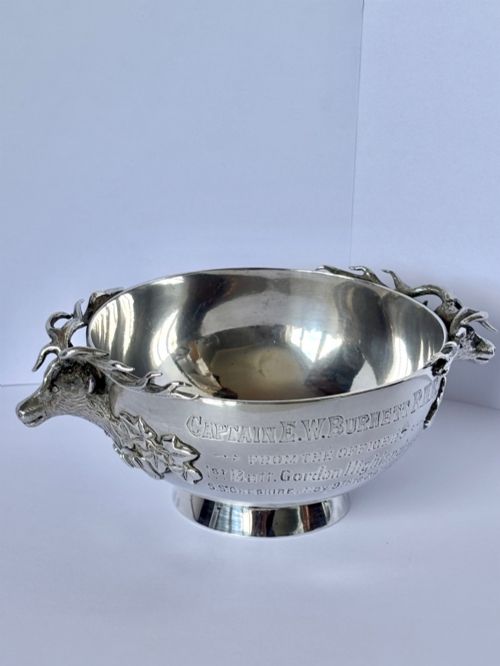
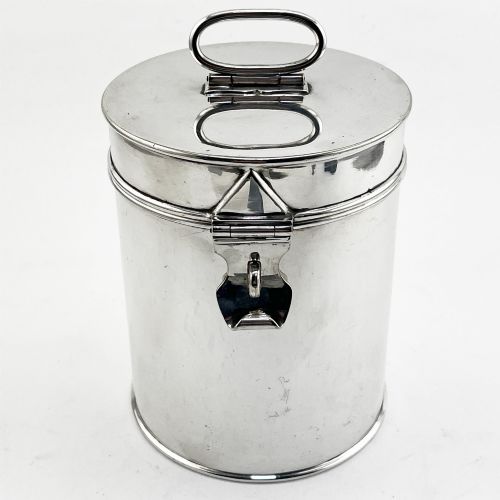
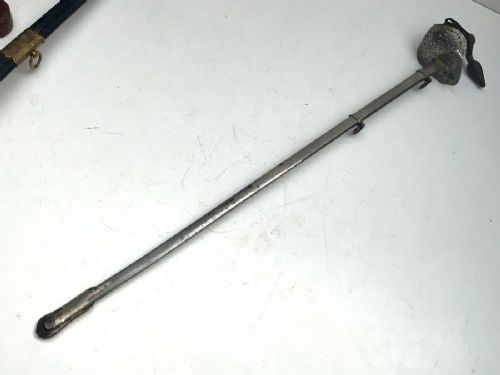
Victorian military silver encompasses personal gear, presentation items, and camp equipment utilised by officers and regiments during the nineteenth century. These items connect directly to the service history of the British armed forces and colonial campaigns.
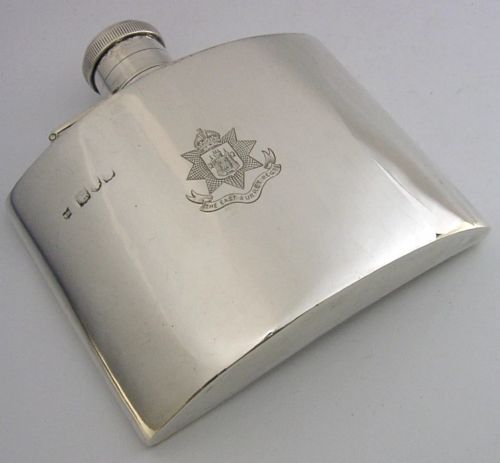
Vesta cases, hip flasks, and whistles appear regularly alongside campaign silverware trunks and presentation pieces. Sterling silver and silver plate predominate among these surviving objects.
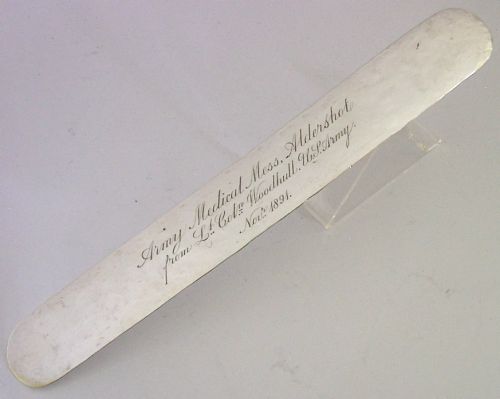
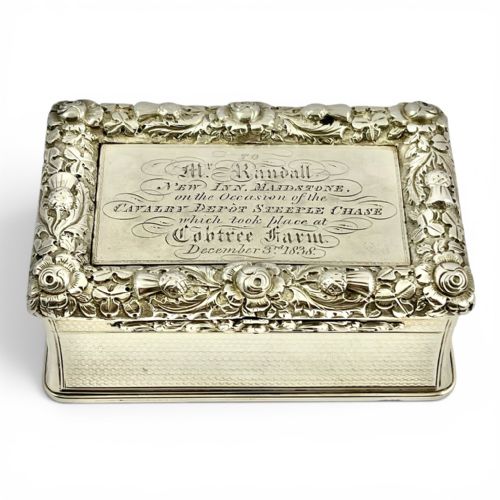
Pieces frequently bear hallmarks, regimental crests, or inscriptions documenting specific units and dates of service. This documentary evidence establishes provenance for collectors.
Materials and construction
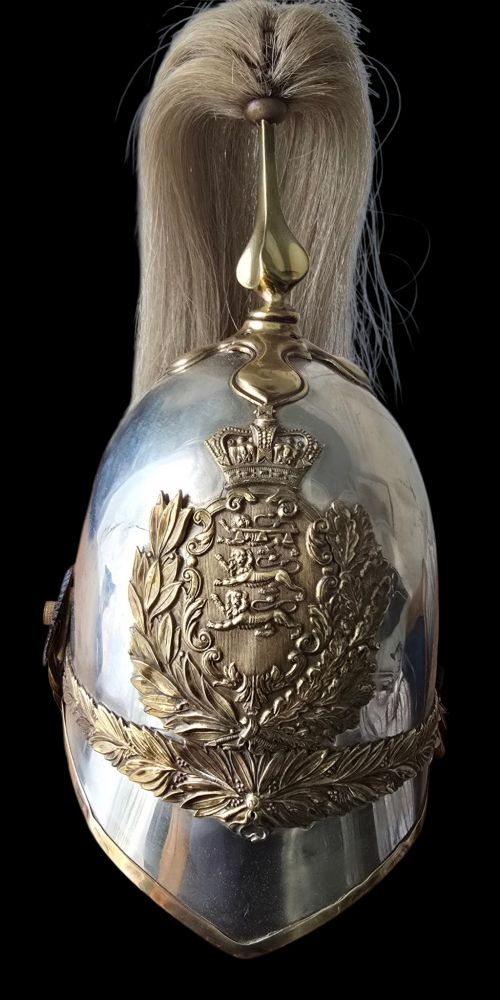
Silversmiths utilised sterling silver and silver plate over base metals, combining durability with decorative finish for active service use. Enamel decoration and applied brass or gold accents appear on specific presentation pieces and regimental insignia.
Campaign equipment incorporates structural timber, leather, and steel alongside silver mountings to withstand rigorous travel. Flasks, vestas, and whistles demonstrate precise stamping, casting, and hand-engraving techniques.
Victorian Military Silver Retail Price Guide 2026
Typical asking prices for victorian military silver among the pieces listed under this phrase on Sellingantiques today, from the lower quarter to the upper quarter. They describe what is for sale here now, not the wider market.
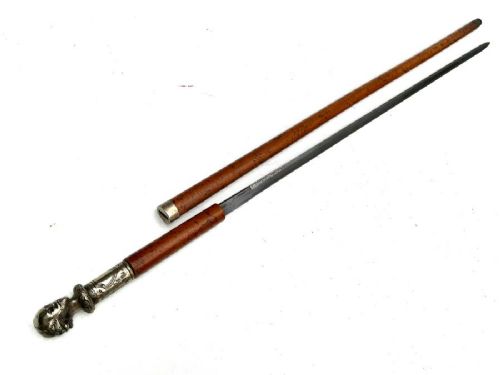
Object forms recorded include vestas, hip flasks, walking canes, whistles, and travel chests from British and colonial regiments.
Judging quality and workmanship
Quality rests upon the clarity of hallmarks, the crispness of engraved regimental crests, and the integrity of hinges and closures. Maker attribution to notable workshops elevates a piece above standard regimental issue.
The sophistication of enamel work and the weight of the silver distinguish exceptional presentation pieces from utilitarian equipment. Original fitted presentation boxes and documented historical associations further elevate standing.
Sampson Mordan·Ross of London·Joseph Jenners and Co·S W Silver and Co
The Victorian Military Silver Glossary
- Hallmark
- Official mark stamped on precious metals indicating purity, maker, and assay office. These stamps provide precise dates for Victorian items.
- Vesta case
- Small pocket container designed to hold matches and strike surfaces. Enamelled military examples feature regimental badges.
- Campaign chest
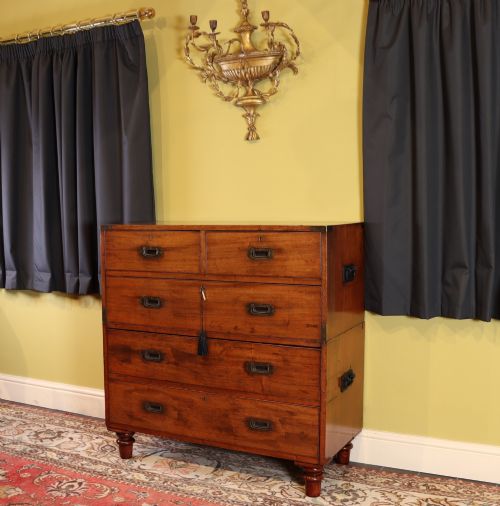
- Modular wooden travel trunk reinforced with brass corners for colonial transport. These trunks often house fitted silverware compartments.
- Boatswain's whistle
- Nautical piping instrument carried by naval officers. Sterling silver versions frequently bear military presentation inscriptions.
- Silver plate
- A thin layer of silver bonded to a base metal foundation. This technique provided affordable durability for field equipment.
Victorian Military Silver: Frequently Asked Questions
What is Victorian military silver?
Victorian military silver comprises personal items, mess plate, and field equipment produced in silver and silver plate during the nineteenth century. These objects frequently carry regimental crests, inscriptions, or hallmarks.
They reflect the domestic and operational lives of officers serving across the British Empire. Collectors value them for their historical documentation and craftsmanship.
How do I identify a military inscription?
Inscriptions usually name specific regiments, campaigns, or individual officers alongside presentation dates. Engraved crests and badges correspond to known historical units.
Matching these details against service records clarifies the provenance of the piece. Hallmarks confirm the exact year of manufacture.
Were these pieces used in the field?
Many items, such as hip flasks, spirit flasks, and campaign cutlery sets, served practical purposes on active service. Robust construction in silver, brass, and leather ensured durability during travel.
Other objects, including presentation salvers and detailed vesta cases, functioned primarily as commemorative presentation pieces in officers' messes.
How should I care for these items?
Silver components require gentle cleaning with appropriate silver polish to preserve engravings and hallmarks without removing material. Avoid abrasive cloths on enamel or gilded surfaces.
Leather and wooden campaign containers benefit from stable humidity levels to prevent warping or cracking of the materials.