



Victorian Military Figurine
These Victorian military figurine pieces bring nineteenth-century military history into the home through sculpted earthenware and cast metal.
Victorian Military Figurine
When you search for a victorian military figurine, you are looking at nineteenth-century sculptural representations of soldiers, commanders, and historical figures. These objects range from Staffordshire pottery figures and portrait groups to cast bronze and brass sculptures, bookends, and doorstops.
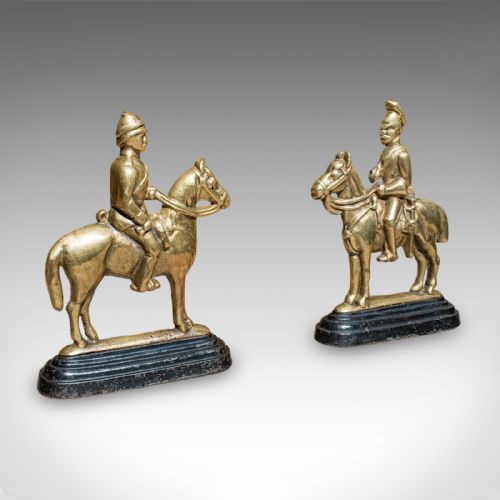
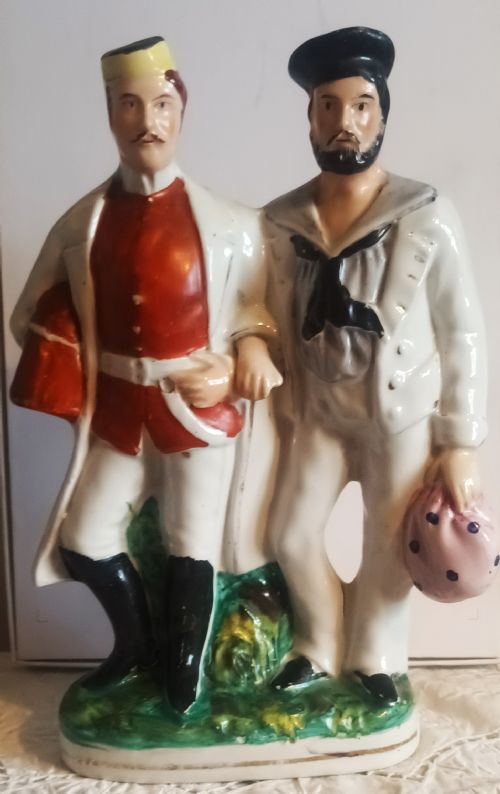
The versions you are most likely to meet on this page are earthenware Staffordshire pottery figures depicting named military commanders or allied leaders, alongside brass and bronze figures of cavaliers and soldiers.
The evidence spans the nineteenth century, including specific pieces dated around eighteen sixty, reflecting both domestic British ceramic traditions and continental metalwork.
How they were made
Ceramic pieces are formed from earthenware, finished with a lead glaze and enamel colours, or produced in porcelain. These Staffordshire pottery figures capture likenesses through moulded clay and hand-painted details.
Metal pieces utilise bronze, patinated bronze, brass, and gilt. Founders cast these materials to create solid figures of cavaliers, horse riders, and historic commanders with durable surface finishes.
Victorian Military Figurine Retail Price Guide 2026
Typical asking prices for victorian military figurine among the pieces listed under this phrase on Sellingantiques today, from the lower quarter to the upper quarter. They describe what is for sale here now, not the wider market.
Listings feature materials including earthenware, brass, bronze, enamel, and porcelain across the nineteenth-century period.
What varies in quality
Scale and presence also distinguish the range. Larger Staffordshire pottery figures and substantial patinated bronze sculptures carry greater visual weight than smaller utilitarian doorstops or bookends.
C. Anfrie·Meissen
The Victorian Military Figurine Glossary
- Staffordshire pottery
- Earthenware figures and groups produced in the Staffordshire potteries during the nineteenth century. These pieces often depict contemporary military heroes, royalty, and historical events.
- Patinated bronze
- Bronze that has been treated with chemical solutions to produce a specific surface colour and finish. This process protects the metal and enhances the definition of the sculpture.
- Lead glaze
- A shiny coating applied to pottery before a final firing to create a glossy surface. It is typical of nineteenth-century earthenware production.
- Halberd
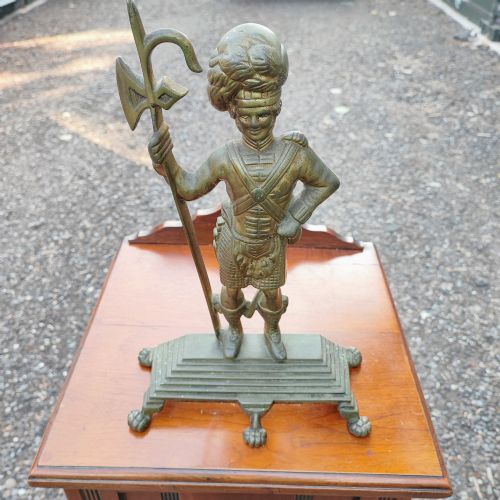
- A two-handed pole weapon combining a spear and a battleaxe, frequently depicted in the hands of guards or soldiers. It appears on brass door stops from the period.
- Gilt
- A thin layer of gold applied to the surface of bronze or other metals for decoration. It provides a bright metallic finish.
Victorian Military Figurine: Frequently Asked Questions
What do Staffordshire pottery figures depict?
Staffordshire pottery figures portray military commanders, allied leaders, and historical personalities of the nineteenth century. They often commemorate specific political alliances or military campaigns.
These ceramic pieces served as popular mantelpiece ornaments in Victorian homes, celebrating public figures and current events.
Are brass figures heavy enough for doorstops?
Brass figures from this period were cast with solid metal bodies designed to hold heavy doors open. Their weight comes from the substantial brass casting technique.
Makers combined utilitarian function with decorative military subjects such as Scottish soldiers with halberds.
How do I identify a Victorian military figure?
Identification relies on recognising nineteenth-century clothing, military uniforms, and historical portrait subjects. Staffordshire pieces often feature titled bases or known portrait subjects like Napoleon III or General Gordon.
Material indicators such as earthenware with lead glaze or patinated bronze also point to nineteenth-century production methods.