





Victorian Metal Vases
These Victorian metal vases range from grand cast iron garden urns to intricate bronze grand tour reductions.
Victorian Metal Vases
Victorian metal vases encompass a diverse array of decorative vessels, ranging from substantial garden urns in cast iron to small bronze table pieces. Buyers seeking these items will encounter various forms, including campana urns, ewers, and ceremonial vessels.
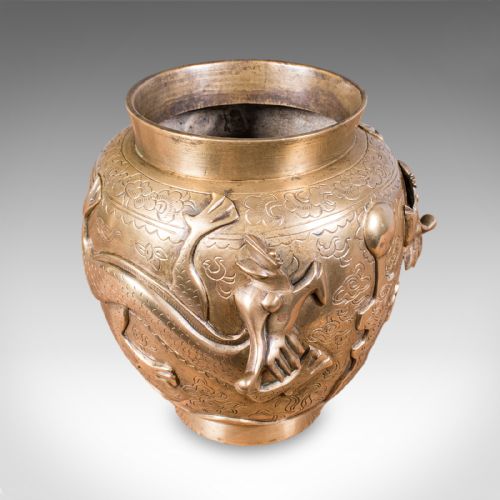
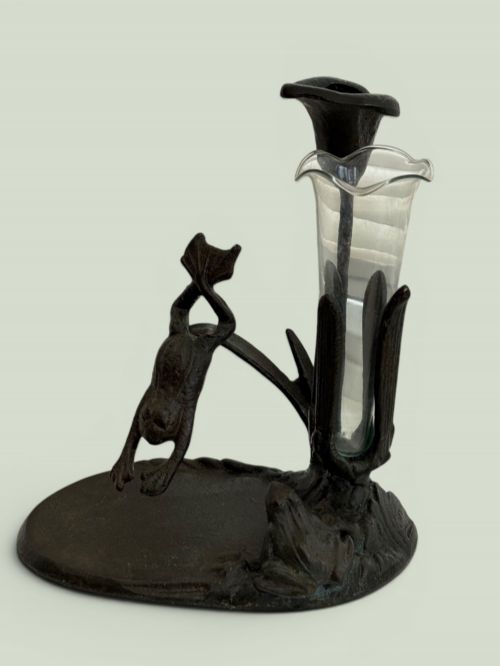
The selection on this page leans heavily into nineteenth-century production, incorporating classical revival styles alongside Oriental and Japanese Meiji period influences. Many examples serve as decorative centrepieces, flower holders, or sculptural garden ornaments rather than utilitarian vessels.
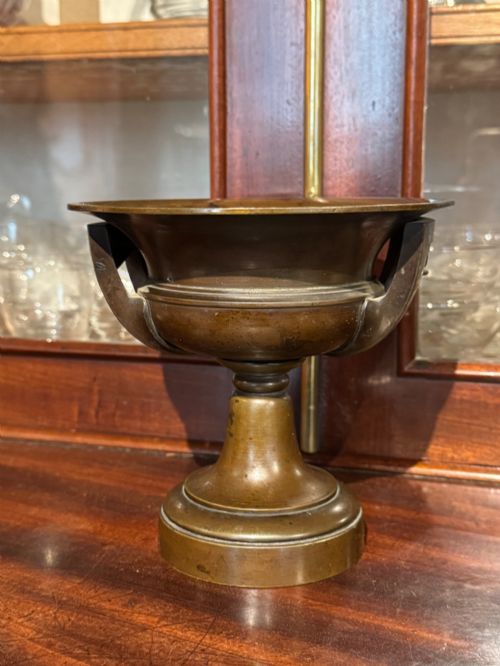
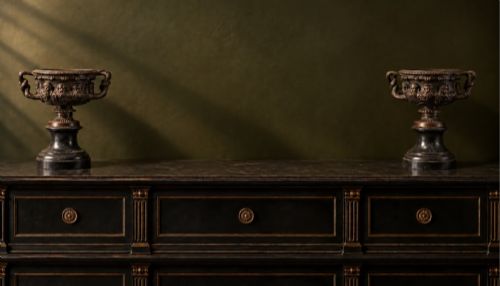
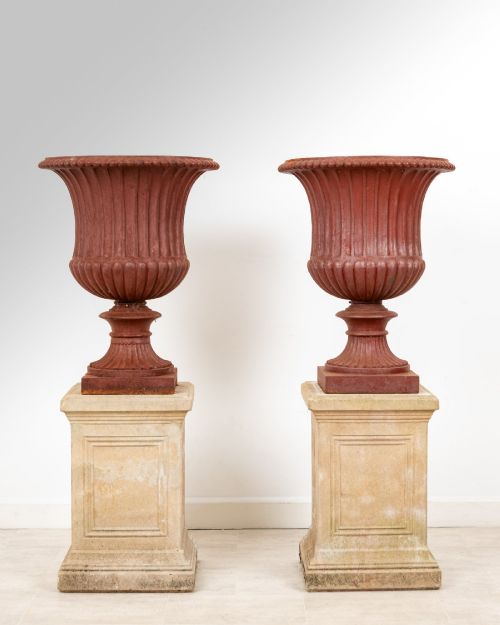
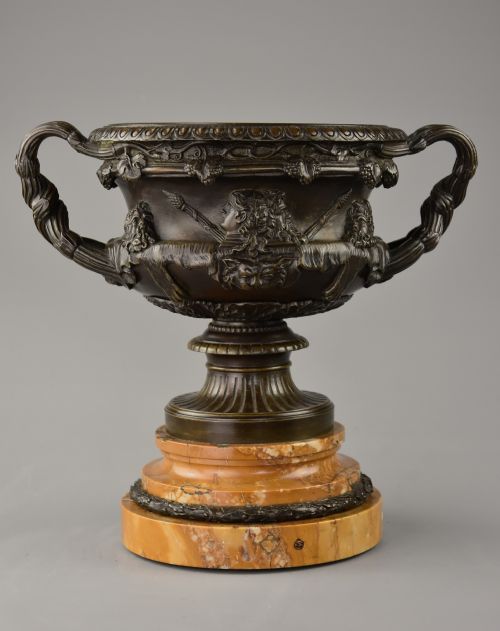
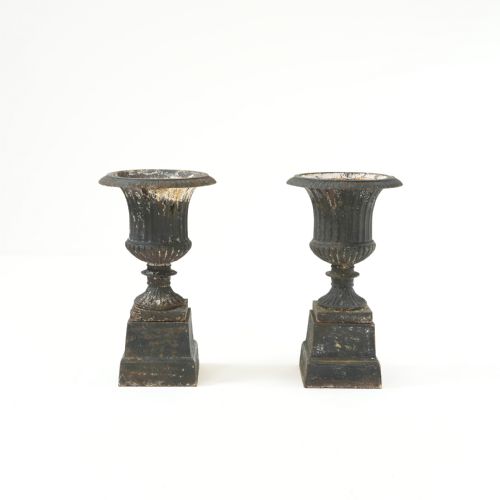
Grand tour bronzes and classical acanthus leaf urns dominate the offerings, often presented on marble plinths or pedestals. These pieces reflect the period's fascination with antiquity and international craftsmanship, bringing architectural weight into domestic interiors.
How they were made
Foundry work relied on traditional casting techniques, particularly for heavy cast iron and bronze pieces requiring intricate detail. Artisans utilised sand casting and lost-wax methods to achieve the sculptural forms seen in campana urns and decorative ewers.
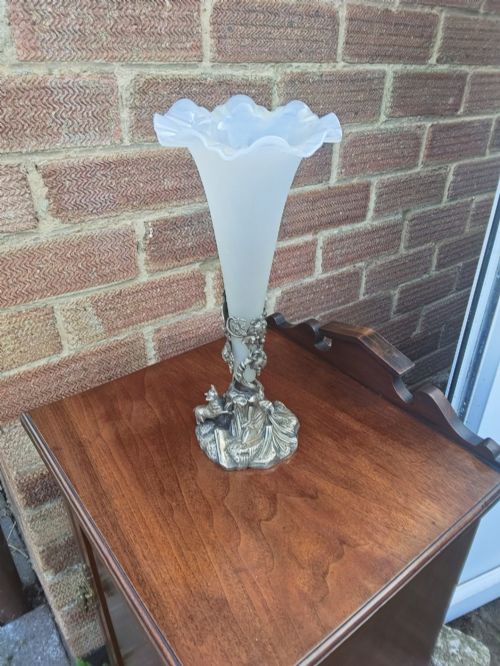
Surface finish involved patination, gilding, and hand-chasing to enhance the visual depth of the metal. Craftsmen applied patinas to bronze to simulate ancient weathering, while others combined brass with painted elements or inserted opaque glass.
Victorian Metal Vases Retail Price Guide 2026
Typical asking prices for victorian metal vases among the pieces listed under this phrase on Sellingantiques today, from the lower quarter to the upper quarter. They describe what is for sale here now, not the wider market.
Listings feature nineteen-century bronze, brass, cast iron, and copper, spanning grand tour, classical revival, and Meiji period styles.
What varies in quality
Quality reveals itself in the crispness of the casting and the depth of the chased or engraved ornamentation. Superior examples display sharply defined acanthus leaves, motifs, and figural details without the softening typical of worn moulds.
The choice of materials and the integrity of the patination set finer pieces apart from standard production. Heavier weight, thoughtful integration of marble bases, and refined surface treatments distinguish exceptional workshop output from ordinary decorative items.
The Victorian Metal Vases Glossary
- Campana urn
- A bell-shaped vessel with a flared rim and pedestal foot, popular in classical gardens and interior decor.
- Ewer
- A large jug with a wide spout and sculpted handle, primarily used for ornamental display during the nineteenth century.
- Patination
- The natural or chemical surface coloration developed on metals over time, often enhanced artificially by makers to add depth.
- Grand tour
- Items acquired by affluent travellers in Europe, typically featuring miniature bronze replicas of classical antiquities.
- Meiji period
- The era of Japanese history corresponding to the late nineteenth and early twentieth century, known for intricate bronze casting.
Victorian Metal Vases: Frequently Asked Questions
Where were Victorian metal vases placed?
These vessels found homes on mantelpieces, entrance tables, and as centrepieces in formal reception rooms. Larger iron versions stood outdoors in gardens and on terraces.
Interior pieces often functioned as flower holders or stood purely as decorative objects on marble pedestals.
How do I identify a grand tour bronze?
Grand tour pieces typically depict famous classical monuments, such as the Warwick vase or ancient ruins, rendered in bronze.
They often feature rich patination and may rest on dedicated marble or wooden plinths reflecting nineteenth-century taste.
What is the difference between brass and bronze items?
Bronze is an alloy of copper and tin prized for its rich patination and ability to hold fine sculptural detail in casting.
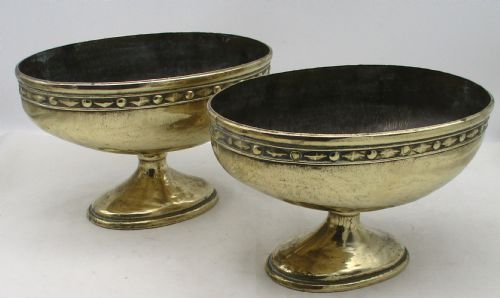
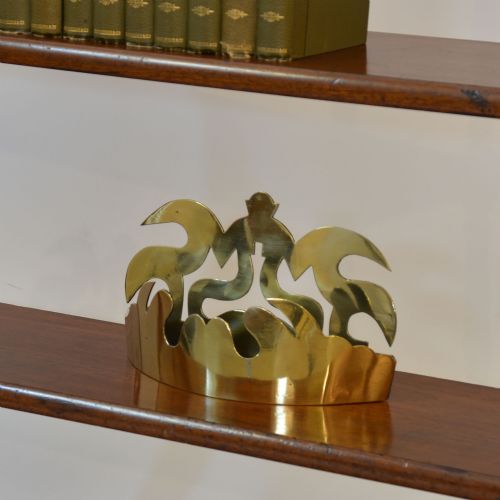
Brass, an alloy of copper and zinc, tends to yield a brighter golden tone and was frequently utilised for church altars and decorative wall pockets.
Can cast iron urns stay outside?
Cast iron garden urns are heavy and durable by design, making them well suited for permanent outdoor placement on stone pedestals.
Over time, exposure to the elements develops a natural surface patina that adds to the character of the metal.