

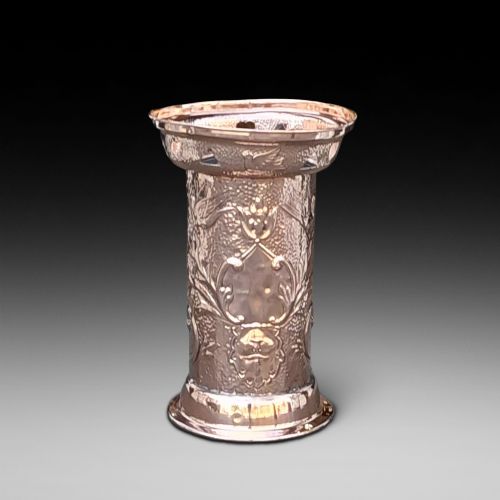
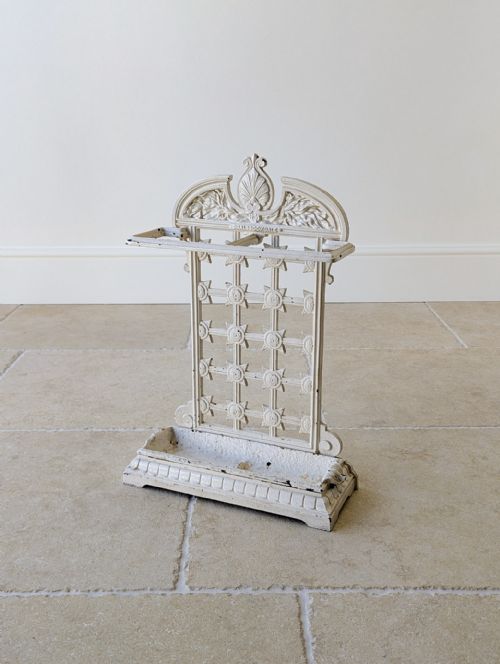
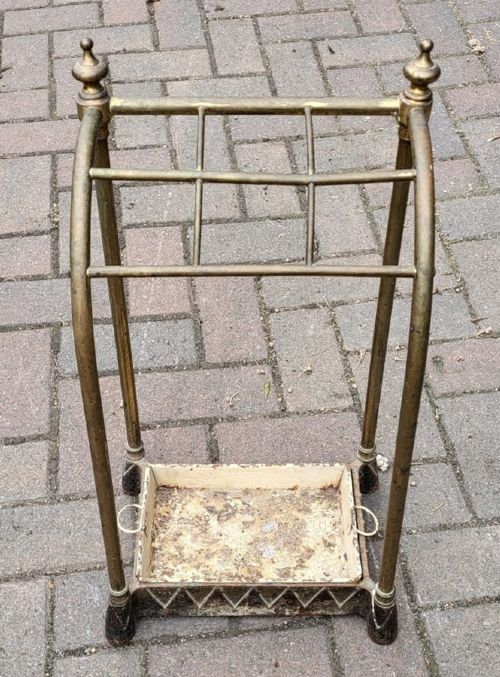

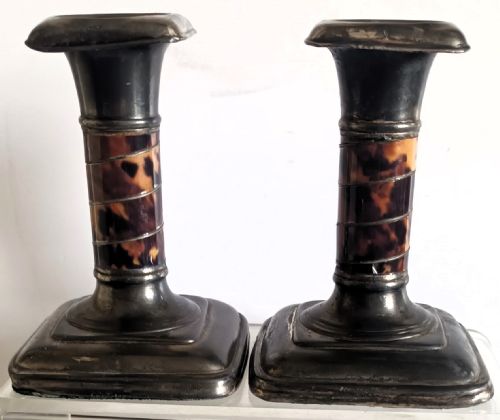


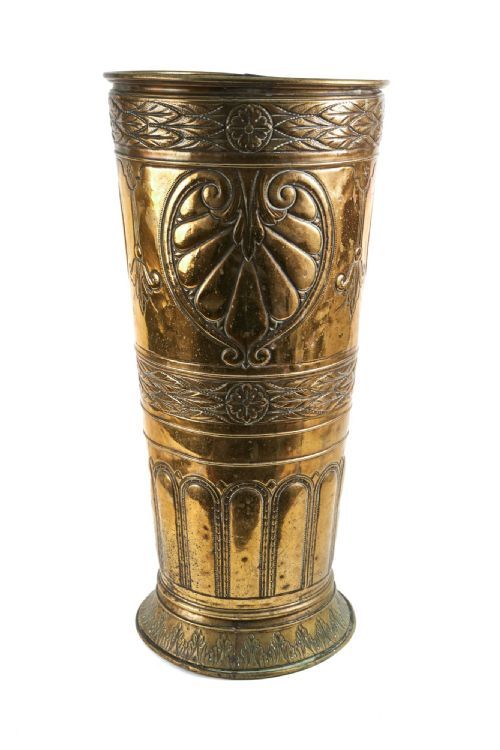
Victorian Metal Stick Stand
A Victorian metal stick stand keeps hall floors dry while setting a sturdy tone for visitors.
Victorian Metal Stick Stand
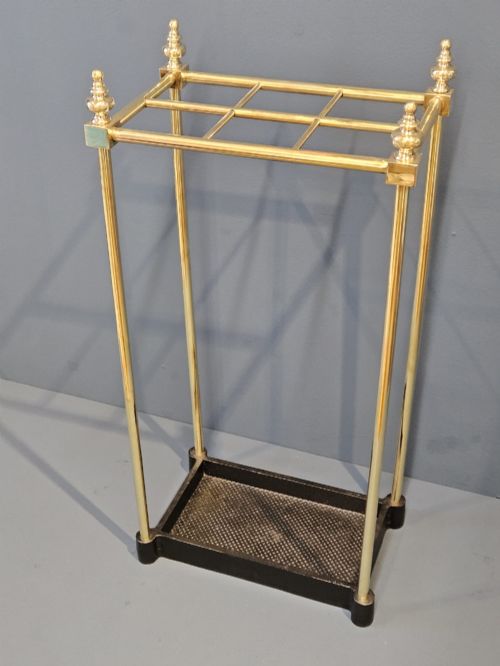
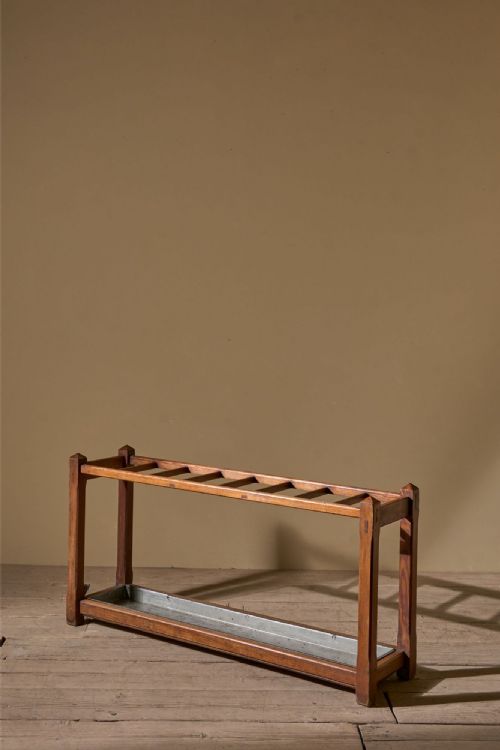
A victorian metal stick stand organises walking canes, umbrellas and hall essentials within entranceways. The listings on this page span the nineteenth century into the edwardian era and the early twentieth century.
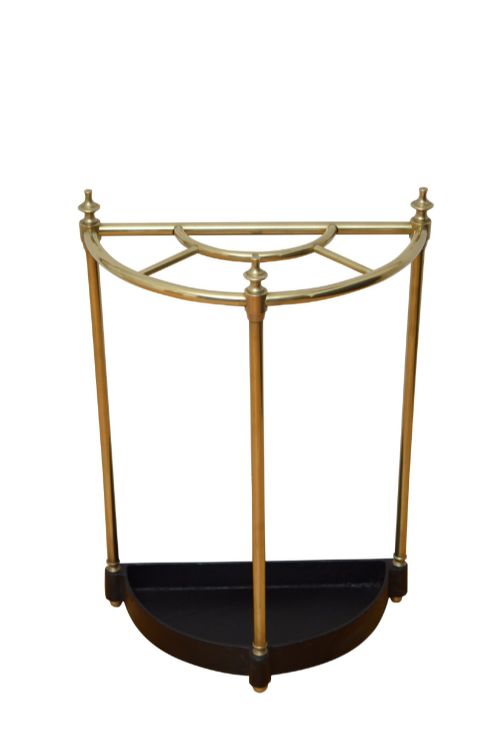
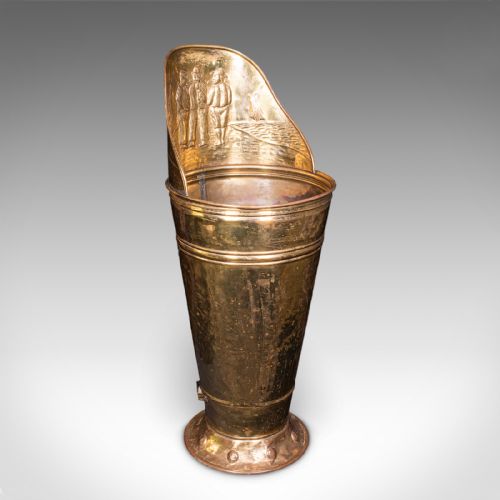
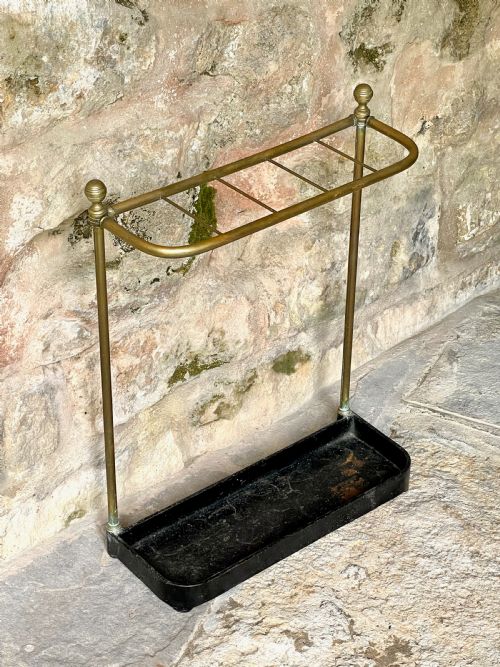
Cast iron and brass dominate these forms, appearing frequently as heavy floor-standing vessels and demi-lune frames. Many examples double as umbrella and stick stands or integrate into larger hallway furnishings.
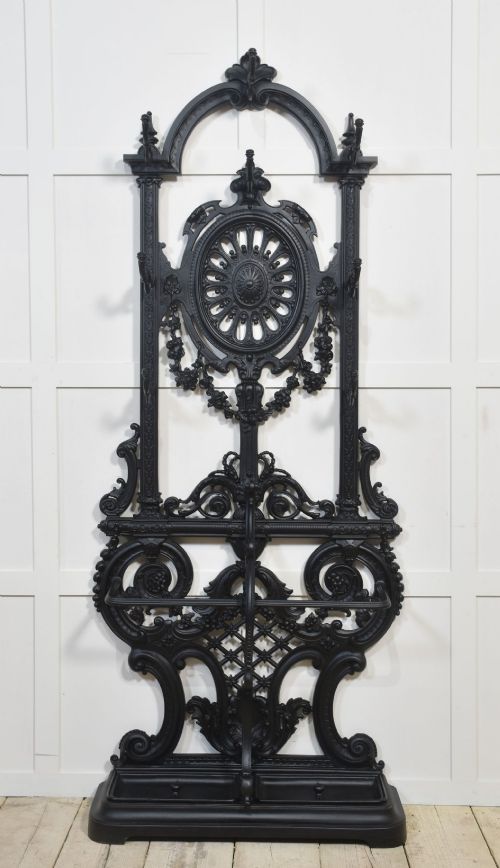
Makers and foundries utilised robust metals to cast decorative foliage, gothic tracery and structural loops. Buyers encounter both utilitarian hall furniture and ornate country house pieces designed to withstand damp weather.
Standards of Production
The sophistication of the casting determines the crispness of botanical motifs, gothic arches and structural details. Foundries known for high artistic output achieved finer surface textures and more complex openwork patterns.
Substantial weight and integral drip pans indicate robust original construction designed for heavy daily use. Simple utilitarian items contrast with sculptural pieces exhibiting sophisticated metalwork from notable makers.
Victorian Metal Stick Stand Retail Price Guide 2026
Typical asking prices for victorian metal stick stand among the pieces listed under this phrase on Sellingantiques today, from the lower quarter to the upper quarter. They describe what is for sale here now, not the wider market.
Some hallways hide surprises; alongside heavy iron stands, the listings include an unexpected faux bamboo umbrella stand and a pine water barrel.
Coalbrookdale·Falkirk Ironworks·Falkirk Foundry
The Victorian Metal Stick Stand Glossary
- Demi-lune
- A half-moon shape designed to sit flat against a hallway wall. This curved form saves floor space while holding multiple umbrellas.
- Cast iron
- An iron-carbon alloy poured into moulds to create rigid, heavy objects. It allows makers to produce detailed decorative relief patterns.
- Drip pan
- A removable tray positioned at the base to catch water from wet umbrellas. It protects interior floors from moisture damage.
- Gothic Revival
- An architectural and decorative style drawing on medieval forms. Pieces often feature pointed arches and quatrefoil motifs.
Victorian Metal Stick Stand: Frequently Asked Questions
Where should I place a stick stand?
Entrances and hallways suit these pieces best, catching rain from umbrellas before it reaches interior rooms.
Position them on hard flooring rather than thick carpets to manage any residual moisture.
How do I protect my floors from water?
Original metal stands usually include a base tray to collect drips from wet walking sticks and umbrellas.
Check that the tray remains intact inside the frame to safeguard wooden hallway floors.
What metals were used for these stands?
Foundries relied heavily on cast iron for structural weight and stability against heavy canes.
Brass, copper and steel also appear across the nineteenth and early twentieth century examples.
How do I identify a period piece?
Look for construction methods such as bolted iron components and heavy metal casting techniques.
Stylistic cues like gothic revival motifs or arts and crafts copper work point towards nineteenth century origins.