



Victorian Metal Statue
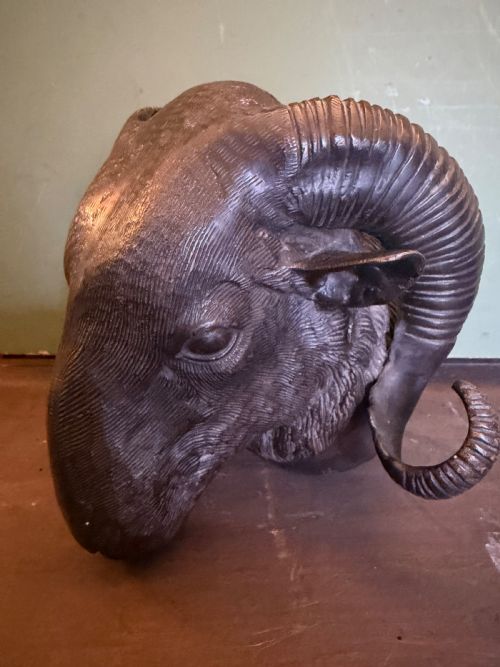
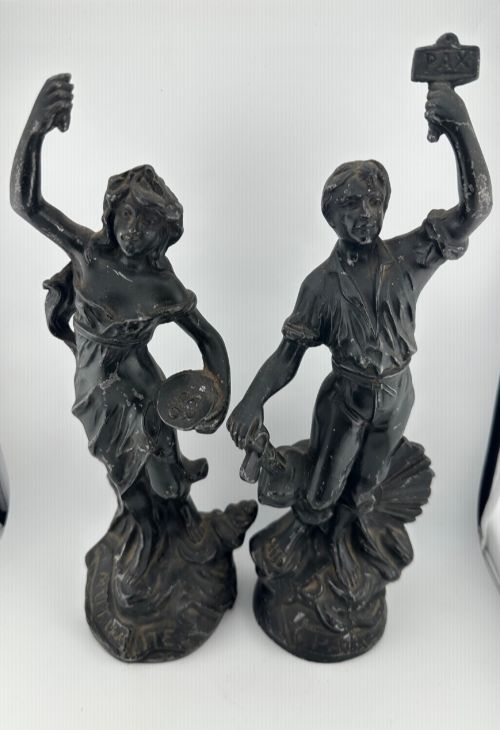
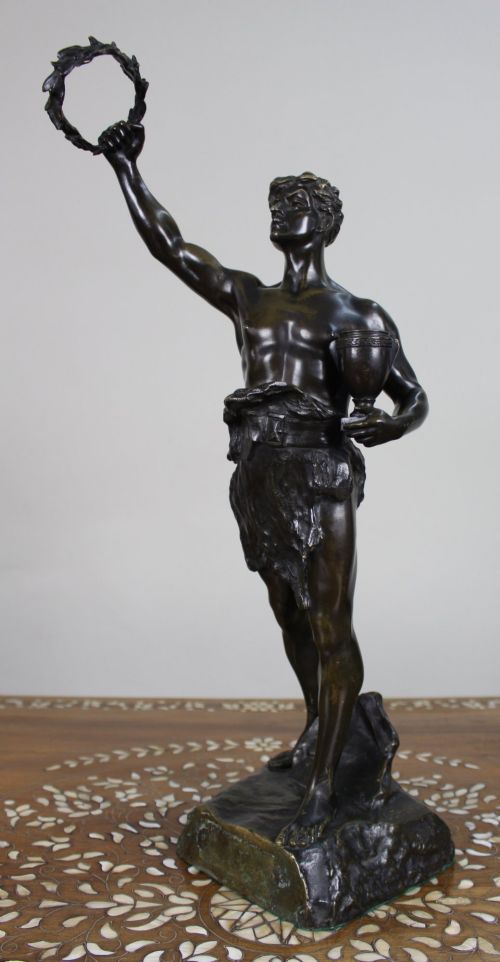
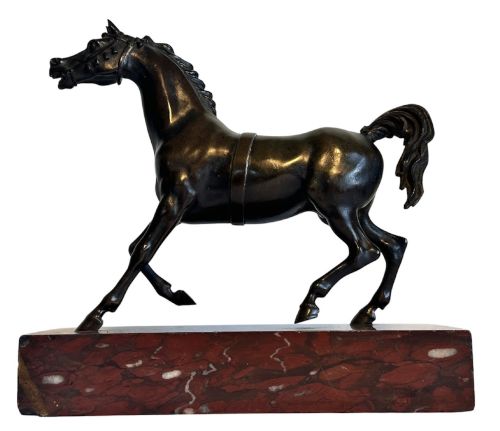
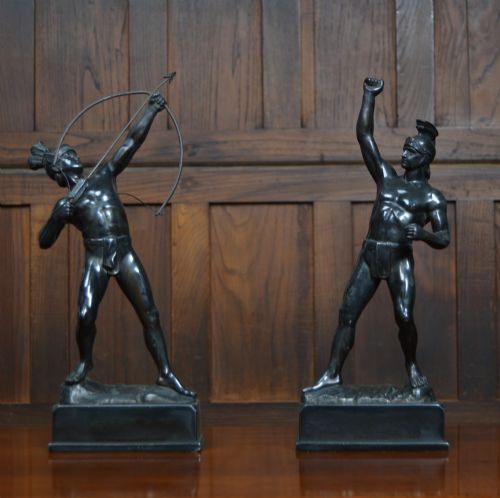
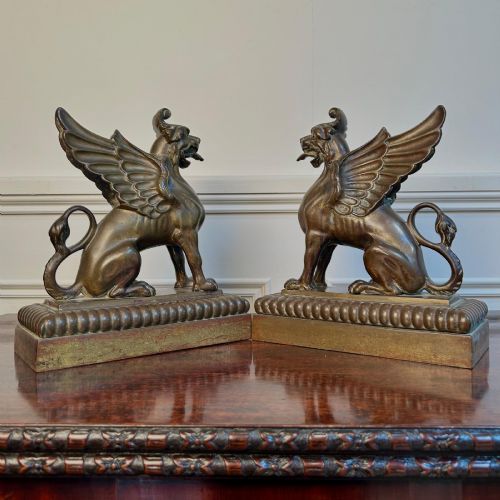
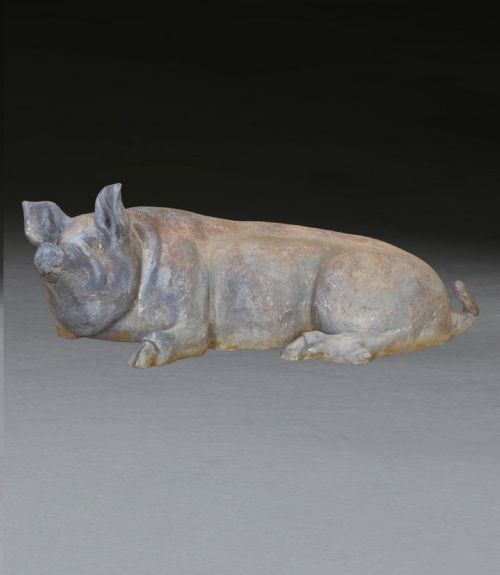
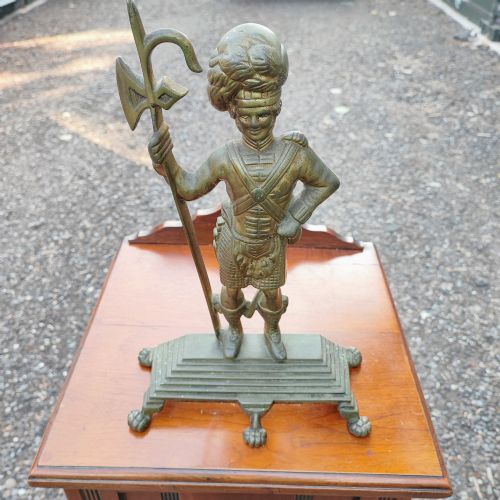
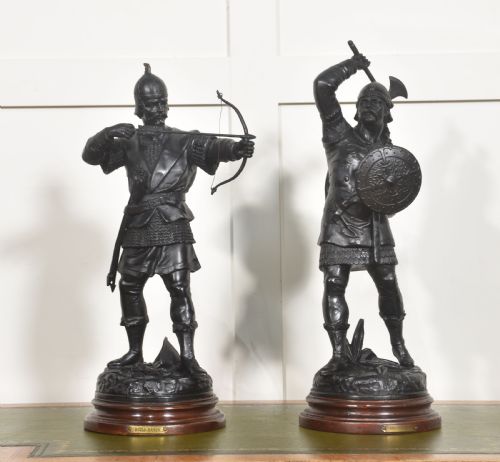
A victorian metal statue brings nineteenth-century presence to a room, cast in bronze, spelter, iron or brass to capture human figures, animals and classical subjects.
Victorian Metal Statue
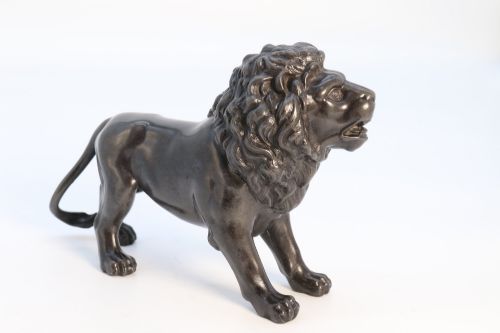
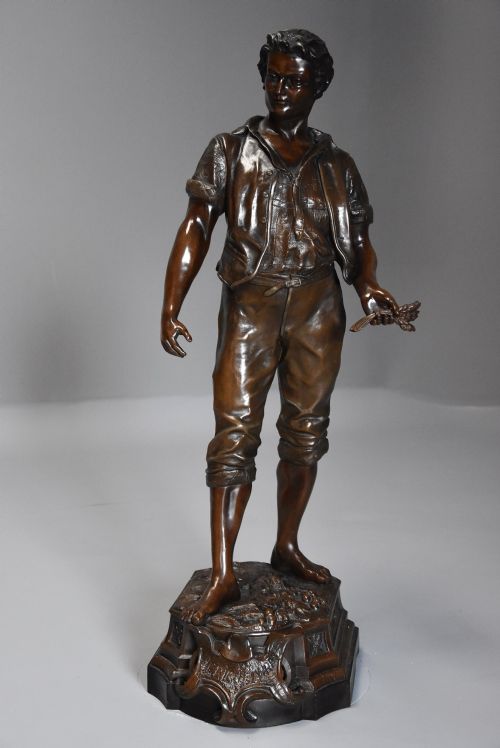
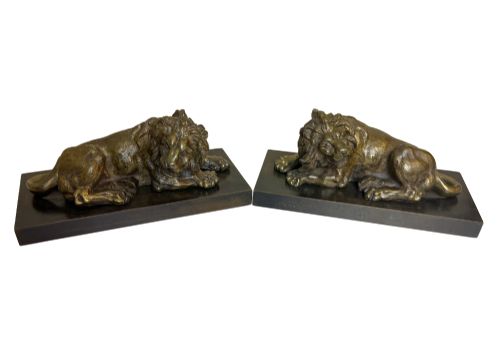
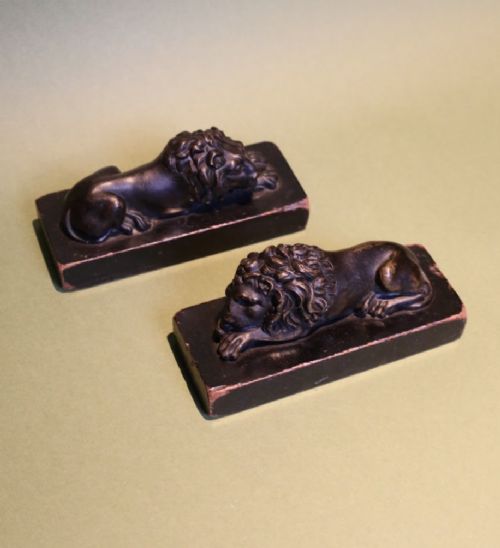
A victorian metal statue spans cabinet figurines, doorstops, fireplace ornaments and larger sculptural works produced across the nineteenth century and into the early twentieth century. These pieces encompass diverse forms including animal studies, classical figures, literary characters and architectural ornaments.
The objects originate from British, French, German, Russian and American workshops, reflecting varied domestic and decorative uses. Pieces range from small desk studies to substantial floor and mantel sculptures cast in multiple metallic mediums.
Buyers encounter both solid cast bronzes and hollow or patinated spelter figures mounted on marble bases or integrated into functional items such as candlesticks and hitching posts.
Materials and casting methods
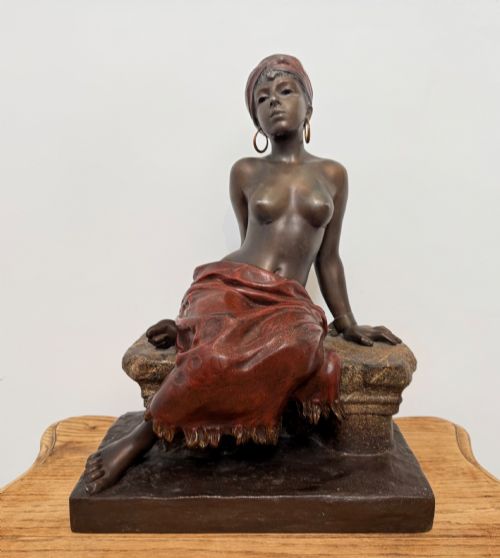
Surface treatments included applied patination, cold painting, polychrome pigments and gilding, sometimes combined with marble plinths, wooden bases or malachite inserts to enhance the finished sculpture.
Victorian Metal Statue Retail Price Guide 2026
Typical asking prices for victorian metal statue among the pieces listed under this phrase on Sellingantiques today, from the lower quarter to the upper quarter. They describe what is for sale here now, not the wider market.
Listings feature figures cast in bronze, spelter, iron, brass, lead and pewter, spanning the nineteenth and early twentieth centuries.
Distinguishing quality in metal figures
The integrity of the original patination and the quality of the base materials, such as heavy genuine bronze versus brittle spelter, dictate the enduring stability and visual depth of the piece.
Lemoyne·F.Milliot·E Villanis·Jean Jules Salmson·Lucien Madrassi·Jennings Brothers·Arthur Waagen
The Victorian Metal Statue Glossary
- Spelter
- A zinc alloy commonly utilised as a cheaper alternative to bronze for nineteenth-century decorative figures. It is lighter and softer than bronze, frequently identified by a painted or bronzed surface finish.
- Patination
- The chemical or natural surface coloration applied to metal sculptures. It protects the material and creates rich tonal depth across high points and recesses.
- Animalier
- A nineteenth-century artistic style focusing on realistic depictions of animals, particularly predators, horses and stags. French and German founders produced many notable examples in bronze.
- Cold painted
- A technique where oil paint or enamel is applied to cold metal, most frequently bronze, without heat firing. It is especially characteristic of Austrian and Viennese small-scale figures.
- Electrotype
- A replica metal object produced through an electrolytic deposition process onto a mould. This technique allowed accurate reproduction of detailed sculptural forms in the nineteenth century.
Victorian Metal Statue: Frequently Asked Questions
How do I clean a metal statue?
Dust gently with a soft dry brush to remove particles without disturbing the surface patination. Avoid abrasive cloths, water or chemical polishes that strip historic finishes from bronze or spelter.
Heavier deposits may require professional conservation advice depending on whether the object has a cold-painted, lacquered or patinated surface.
Is this statue bronze or spelter?
Examine the underside or areas of wear for the underlying metal colour and weight. Bronze is heavy, resonant and shows a warm golden-brown beneath worn patina, whereas spelter is lighter, more brittle and reveals a greyish-white metal.
Magnification often reveals casting seams or filing marks that help distinguish softer zinc-based alloys from cast bronze.
What is a cold painted bronze?
Cold painted pieces are metal sculptures decorated with unfired paints or enamels after the casting and patination process. This technique brought vivid colour to small animal and human figures during the late nineteenth century.
Care must be taken to keep these pieces away from moisture and direct sunlight to preserve the delicate pigment.
Where were these statues displayed originally?
Nineteenth-century metal figures decorated libraries, drawing rooms, mantelpieces and entrance halls as symbols of taste and education. Larger pieces served as garden ornaments, doorstops or architectural fixtures.
Their placement depended on material durability, with heavy iron and bronze suited to practical or outdoor settings.