



Victorian Metal Pitcher
When you search for a Victorian metal pitcher, you meet practical vessels of copper, brass, and pewter shaped for the dining table or hearth.
Victorian Metal Pitcher
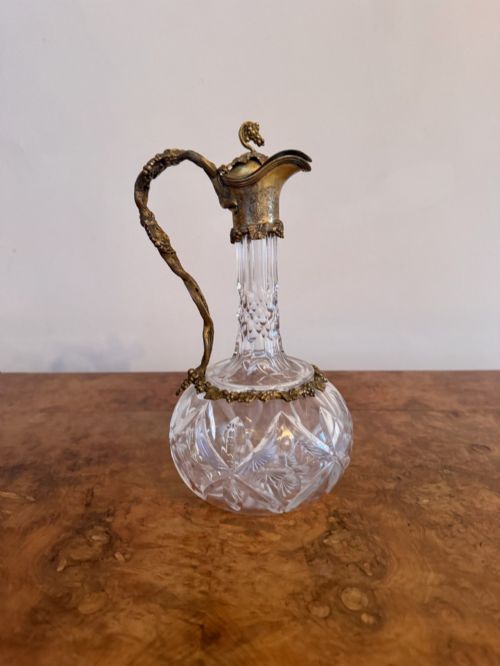
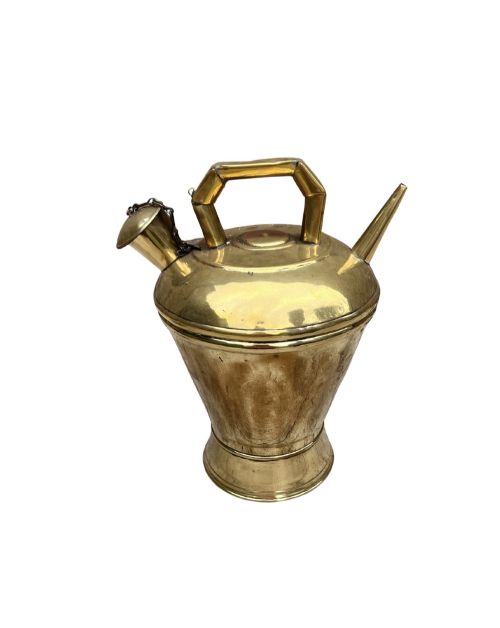
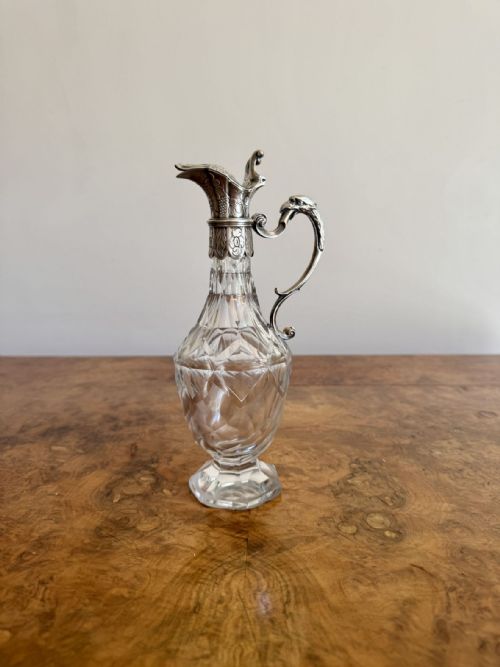
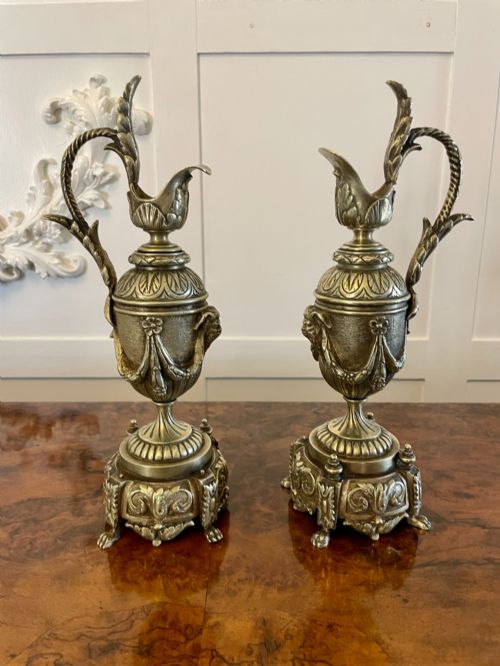
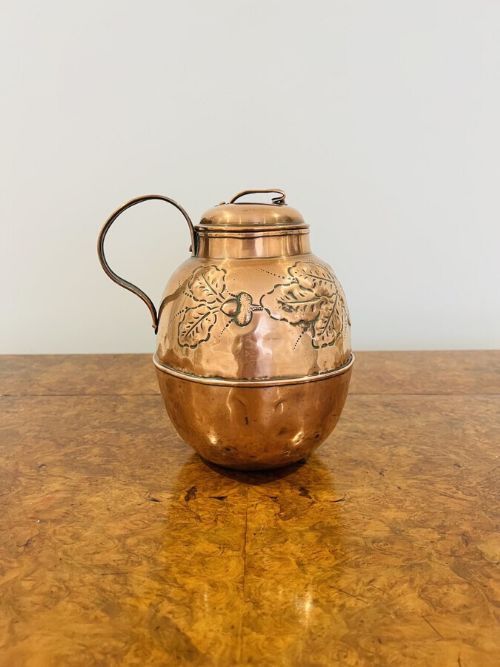
A victorian metal pitcher encompasses everyday vessels, pouring cans, and decorative ewers spanning the nineteenth century. These forms range from utilitarian copper harvest jugs and Jersey cans to ornate bronze ewers intended for display.
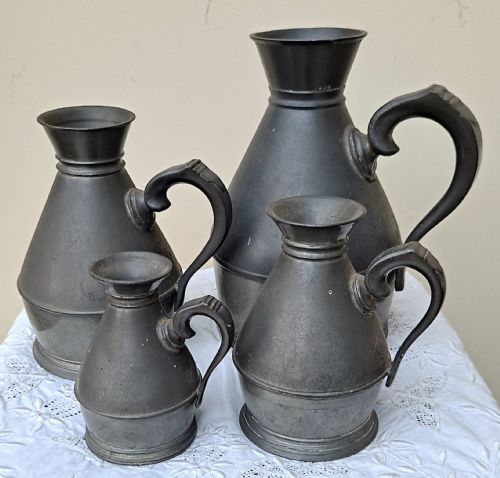
Buyers frequently encounter copper and brass vessels alongside pewter haystack measures and silver plated beer jugs. Many pieces reflect specific regional domestic uses, such as Irish measures or English hot water cans.
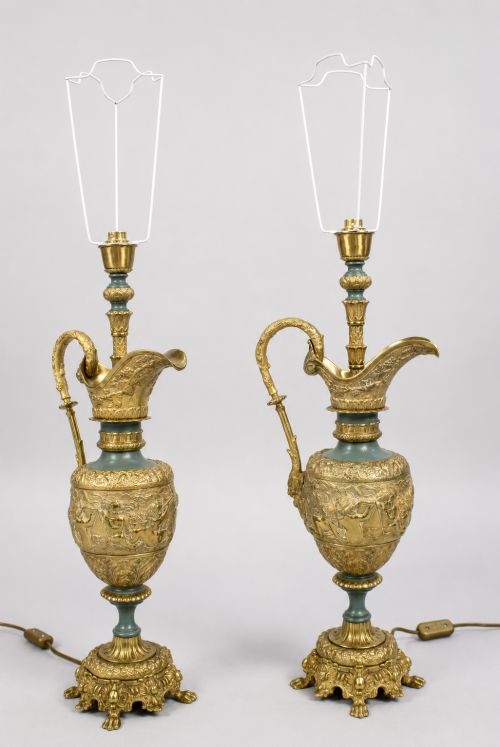
Design influences shift from functional nineteenth century utilitarianism to decorative Arts and Crafts, Art Nouveau, and Grand Tour styles. Certain pieces arrive as pairs or graduated sets, while others have been converted into table lamps.
Materials and Construction
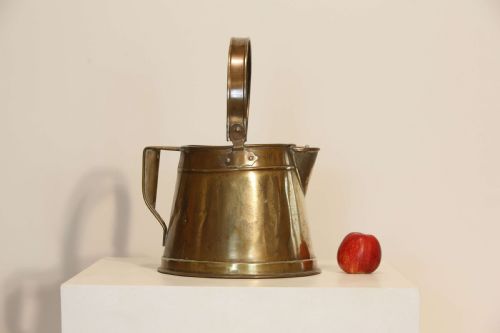
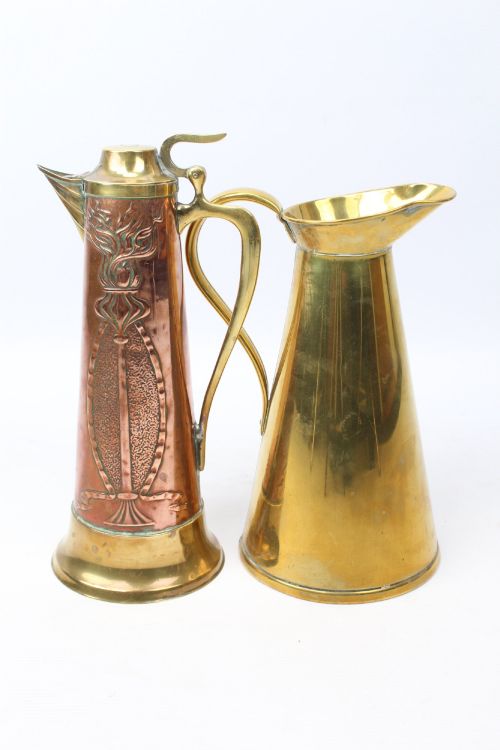
Copper and brass form the backbone of these pieces, shaped into jugs, flagons, and watering cans through beating and soldering. Makers often combined copper with brass accents to create contrast on handles and rims.
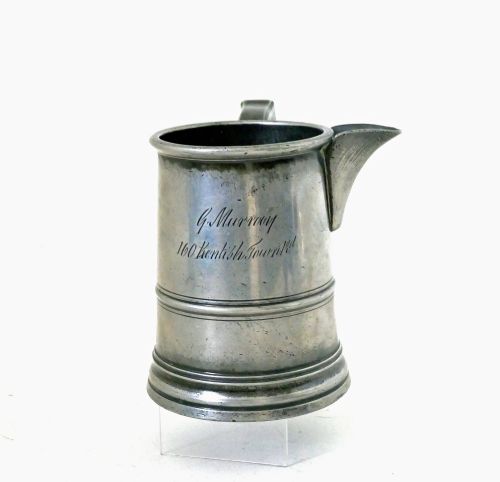
Pewter pieces rely on casting and lathe finishing, particularly evident in the heavy walls of haystack measures. Bronze and gilt bronze appear in ornamental ewers, utilising lost wax casting to achieve intricate relief decoration.
Victorian Metal Pitcher Retail Price Guide 2026
Typical asking prices for victorian metal pitcher among the pieces listed under this phrase on Sellingantiques today, from the lower quarter to the upper quarter. They describe what is for sale here now, not the wider market.
Apprentice piece miniatures allow a master craftsman to showcase skill through tiny, perfectly formed copper jugs.
Assessing Quality and Execution
Quality rests in the weight of the metal and the crispness of the applied decoration, such as engraved lettering or chased foliage. Heavy gauge copper and substantial pewter castings indicate domestic utility meant to endure.
Design ambition separates standard kitchenware from exhibition pieces, as seen in elaborate handles, figural mounts, and balanced proportions. Matched pairs and complete graduated sets command greater interest due to their survival intact.
J Bower·S Hancock·H F Fearncombe and Co
The Victorian Metal Pitcher Glossary
- Ewer
- A large ornamental jug with a wide spout and curved handle, often associated with water or wine service. These pieces frequently appear in bronze or gilt metal for decorative display.
- Haystack measure
- A distinctively shaped Irish or English pewter or brass measuring vessel with a tapered body resembling a haystack. They were produced in standard capacities from pints to gallons.
- Jersey can
- A traditional lidded copper pouring vessel featuring a long spout and handle, originally used for dairy or household liquids. They range from small tabletop sizes up to large utilitarian capacities.
- Flagon
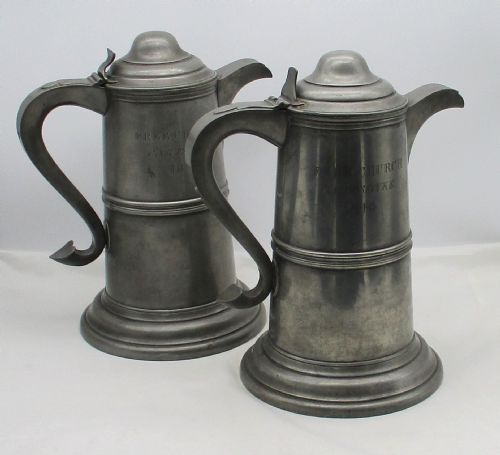
- A large metal vessel with a lid and handle designed for holding liquids, notably ale or communion wine. Nineteenth-century examples often appear in heavy pewter or copper.
- Toleware
- Tinplate metal coated with japanned paint or lacquer to create a dark, glossy decorative surface. It was utilised for hot water cans and household containers.
Victorian Metal Pitcher: Frequently Asked Questions
What were metal pitchers used for?
These vessels served diverse roles ranging from carrying water for washing to measuring ale and storing liquids in the kitchen. Many larger flagons and cans functioned in commercial or domestic service before becoming decorative.
Over time, several examples transitioned from utility to ornamental display, while others were later converted into table lamps.
How do I clean antique copper and brass?
Maintenance depends on the desired finish, as many collectors prefer to leave natural patination undisturbed. Gentle washing with mild soap and warm water removes surface dirt without harming the historic metal.
Abrasive polishes should be avoided on older pieces to preserve the integrity of the surface and any subtle tooling marks.
Are pewter measures marked for capacity?
Many nineteenth-century pewter and brass measures feature touchmarks, verification stamps, or engraved names indicating their legal capacity and origin. These stamps help verify the authenticity and regional use of haystack and harvest jugs.
Inscriptions may also record previous owners or specific locations such as London addresses.
Can these pitchers still hold liquids safely?
While many copper and brass vessels remain physically solid, soldered joints can degrade after more than a century of age. Using them for decorative display or dried floral arrangements is generally safer than daily liquid service.
Pewter containing historical lead content should also be assessed before any culinary use.