

Victorian Metal Bucket
These robust victorian metal bucket designs range from hearthside coal scuttles to heavy copper wash tubs, built for utility and styled for the country house.
Victorian Metal Bucket
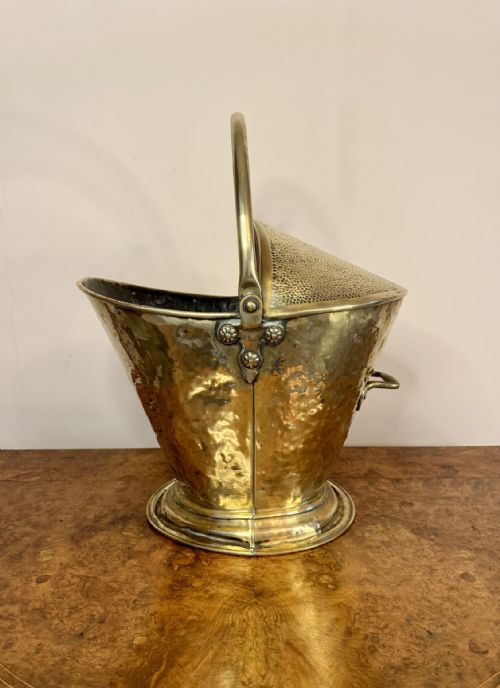
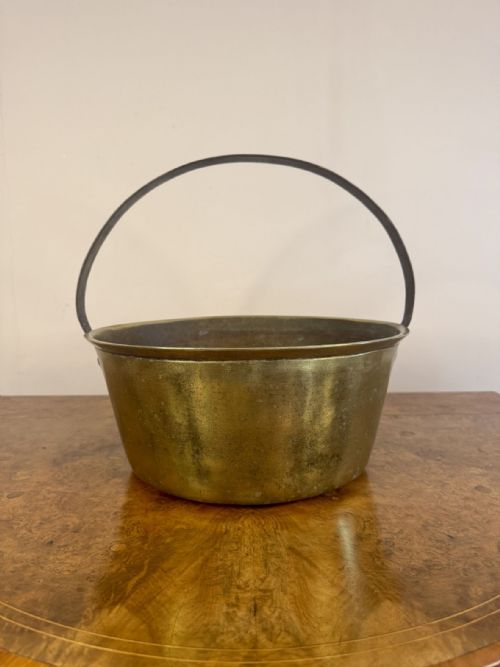
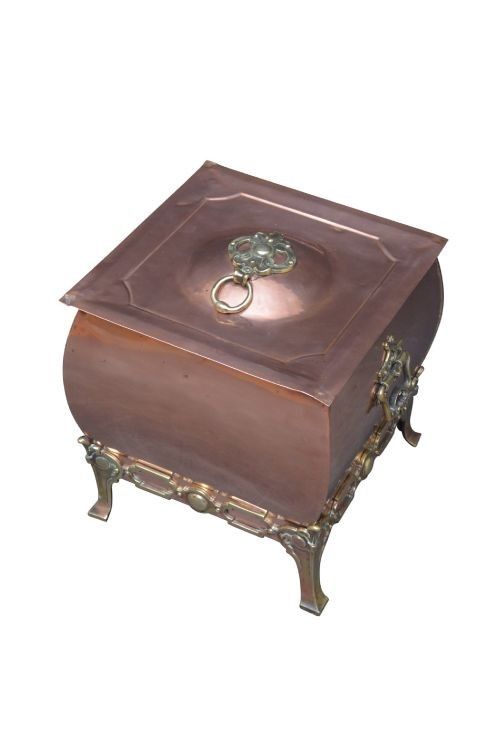
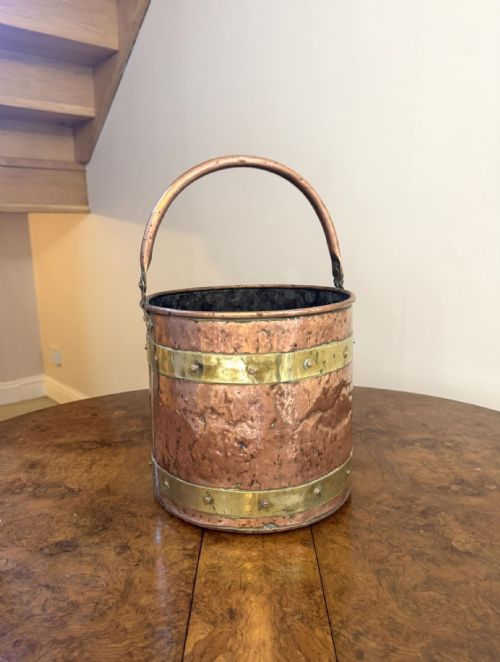
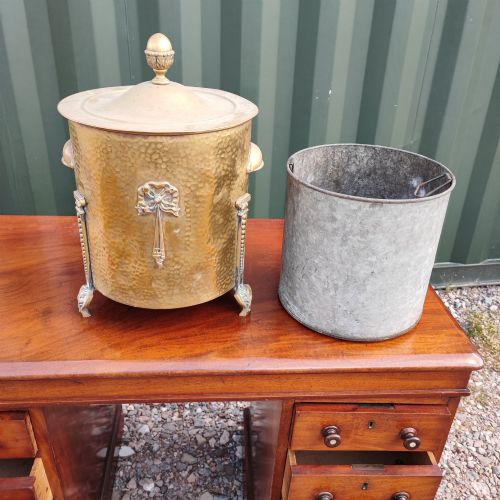
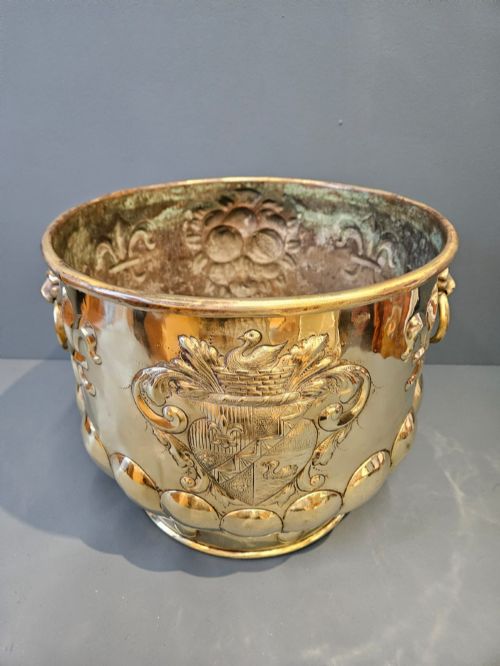
A victorian metal bucket serves multiple domestic purposes, spanning fireside accessories like coal scuttles and log bins alongside planters, jardiniere vessels, and utility tubs. You will frequently encounter heavy copper and brass vessels featuring swing handles, riveted seams, and wrought iron fittings.
The selections on this page draw from nineteenth-century country house and utilitarian workshops, showing influences from Arts and Crafts styling to rustic farmhouse forms. While some double as wine coolers or umbrella stands, their primary heritage remains firmly rooted in nineteenth-century hearth and kitchen management.
Materials and Construction Techniques
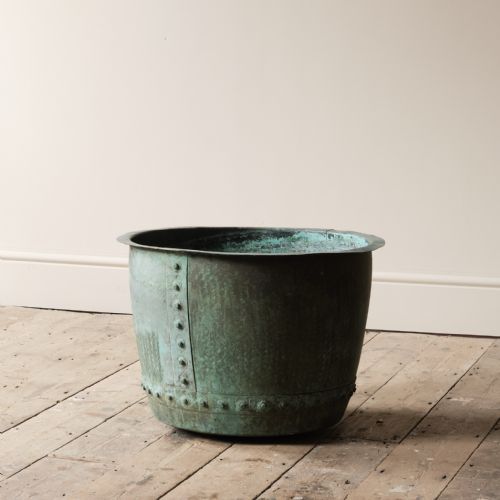
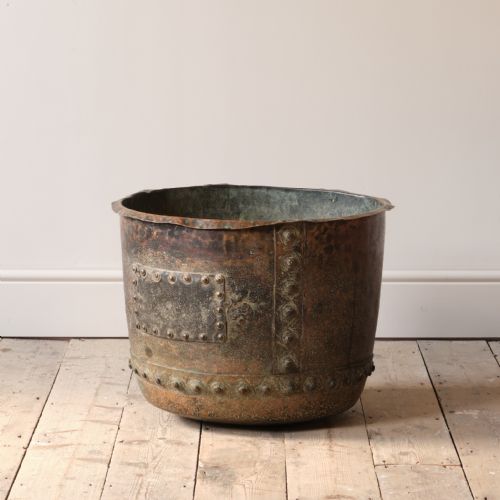
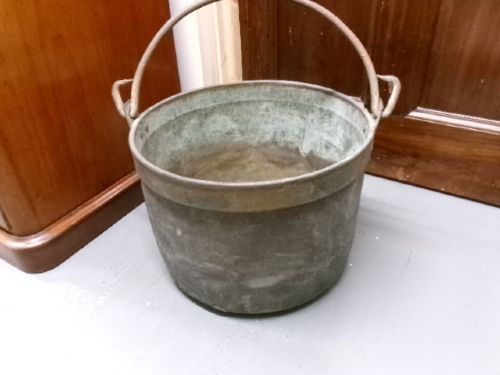
These vessels rely heavily on sheet copper and brass, often joined by visible hand-hammered rivets and secured with wrought iron swing handles or brass banding. Coopered wooden elements and toleware occasionally appear alongside heavier cast or beaten metal bodies.
Craftsmen shaped these buckets using traditional sheet metal techniques, incorporating reinforced rims, soldered seams, and applied crests or decorative brass feet. The incorporation of iron stands or brass shovels highlights the utilitarian yet decorative nature of the manufacturing process.
Victorian Metal Bucket Retail Price Guide 2026
Typical asking prices for victorian metal bucket among the pieces listed under this phrase on Sellingantiques today, from the lower quarter to the upper quarter. They describe what is for sale here now, not the wider market.
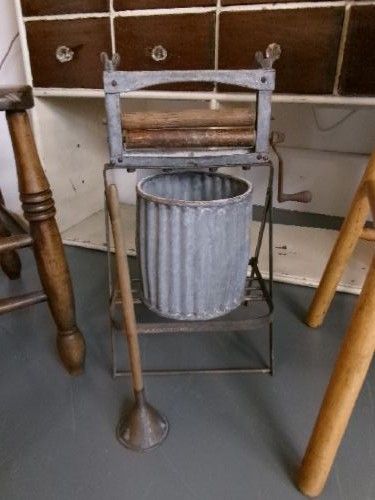
Among the heavy fuel buckets and wash tubs sits an original children's travellers sample mangle mounted on an iron stand.
Variations in Quality and Finish
Quality reveals itself in the thickness of the metal plate, the integrity of the riveted joints, and the crispness of any applied crests or hand-hammered detailing. Superior examples maintain balanced proportions and sturdy, original hardware without excessive modern reinforcement.
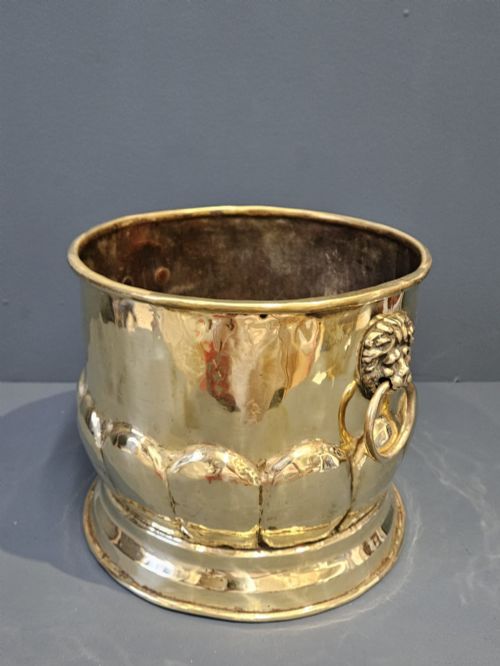
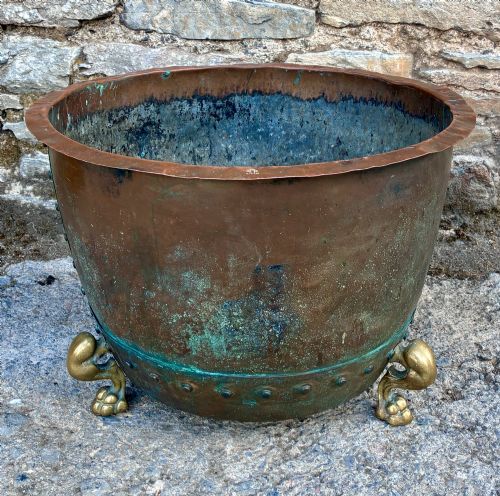
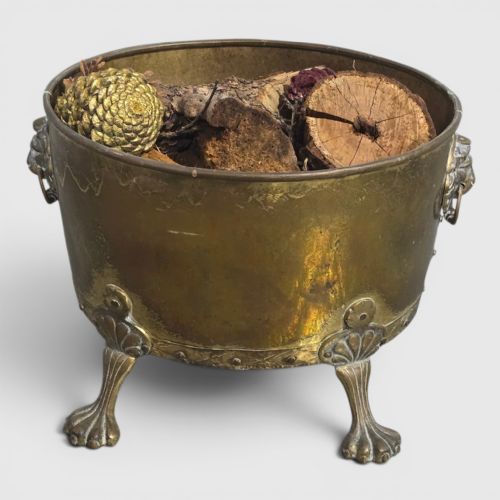
Finer pieces often exhibit careful attention to finishing details, such as neatly turned rims, solid brass lion paw feet, and harmonious combinations of contrasting copper bodies with brass bands or swing handles.
The Victorian Metal Bucket Glossary
- Coal Scuttle
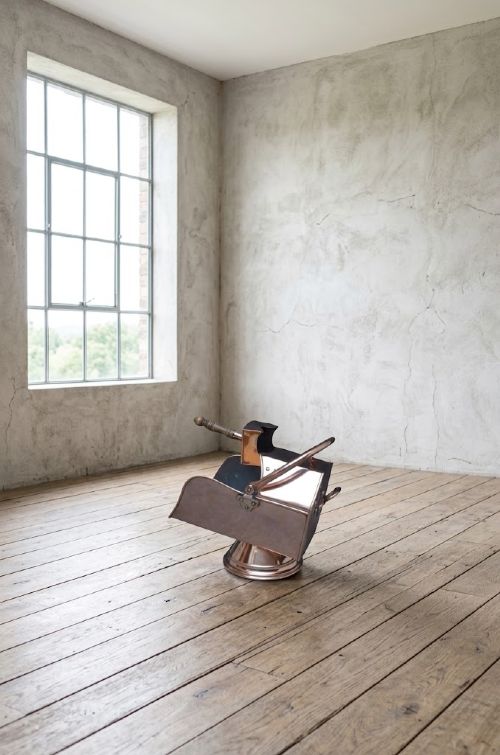
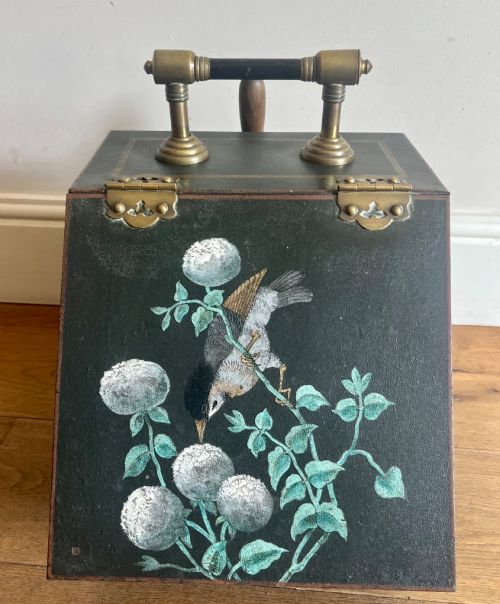
- A specialised fireside container designed for holding and transporting household coal to the hearth. These often feature an angled helmet shape or a hinged lid with a matching shovel.
- Jardiniere
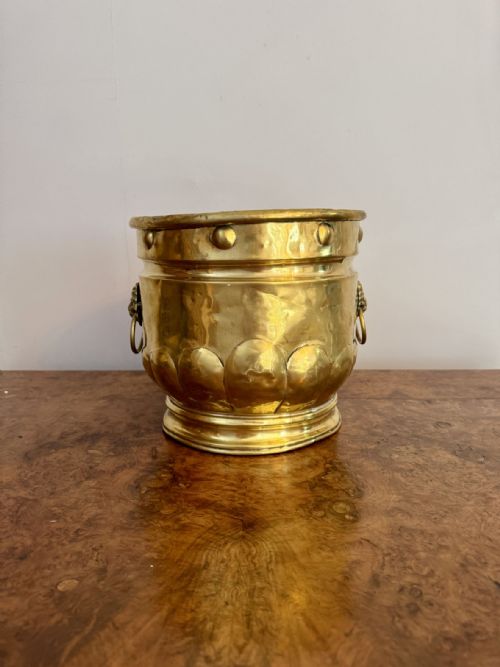
- An ornamental pot or receptacle, usually made of brass or copper, designed to hold large potted plants or floral arrangements. They frequently stand on decorative feet or incorporate embossed crests.
- Toleware
- Lacquered or enamelled metalware, typically tin or iron, finished with painted or gilded decoration. It was widely used in nineteenth-century kitchens and country houses for storage buckets and scuttles.
- Riveted
- Joined together using metal bolts or pins hammered flat at the ends. This technique provides both structural strength and a characteristic industrial aesthetic on copper vessels.
- Swing Handle
- A movable arched handle attached to opposite sides of a bucket or cauldron via pivoting mounts. This allows the vessel to be lifted and tipped with greater ease during heavy domestic tasks.
Victorian Metal Bucket: Frequently Asked Questions
How were these metal buckets originally used?
Victorian households utilised these metal vessels primarily by the hearth for storing and carrying coal, logs, or kindling. Many also served functional roles in the kitchen and scullery for washing or grain measuring.
Over time, owners repurposed the more decorative brass and copper variants as indoor planters, umbrella stands, or wine coolers within country house interiors.
Can I use these antique buckets outdoors?
Most copper and brass vessels tolerate sheltered outdoor spaces or conservatories well, particularly when utilised as planters or garden jardiniere displays. However, prolonged exposure to damp conditions may accelerate the oxidation of iron fittings and alter the original metal patina.
Protecting the interior surfaces and keeping them dry helps preserve the historic finish of nineteenth-century metalwork.
How do I clean nineteenth-century copper and brass?
Maintenance depends entirely on personal preference regarding the surface patina, as many collectors prefer to leave the aged, darkened oxidation untouched. If polishing is desired, use a mild, non-abrasive metal cleaner specifically formulated for copper and brass.
Avoid harsh scouring pads or chemical dips that can strip away the historic character and delicate surface textures built up over the centuries.
What distinguishes Arts and Crafts designs here?
Arts and Crafts pieces emphasise visible hand-craftsmanship, featuring prominent hand-hammered textures and honest construction methods like exposed copper riveting. These items often display simpler, utility-focused silhouettes that celebrate the natural qualities of the metal.
In contrast, standard Victorian production frequently leaned toward more ornate decorative motifs, polished brass banding, and embossed family crests.