




Victorian Metal Animal Statues
Victorian metal animal statues bring character and craftsmanship into a room, offering enduring appeal for collectors of nineteenth-century decorative sculpture.
Victorian Metal Animal Statues
When searching for victorian metal animal statues, collectors encounter a diverse array of sculptural forms representing domestic and wild creatures alike. These pieces function as decorative objects, fireplace ornaments, and garden sculptures, reflecting the period's fascination with the natural world.
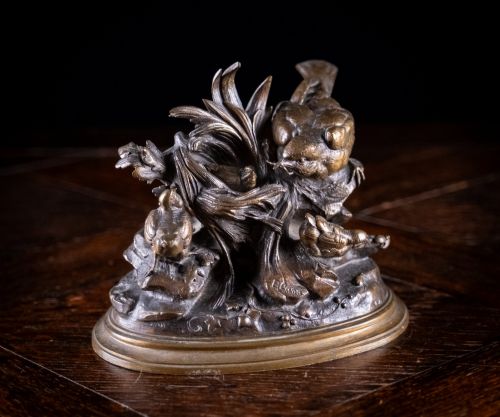
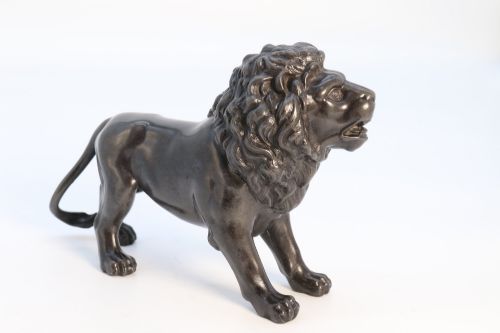
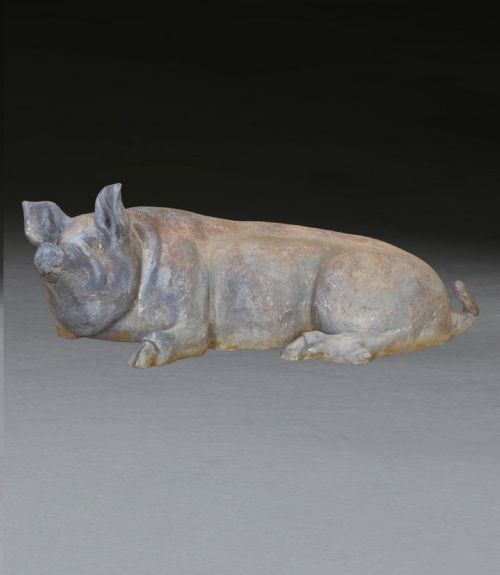
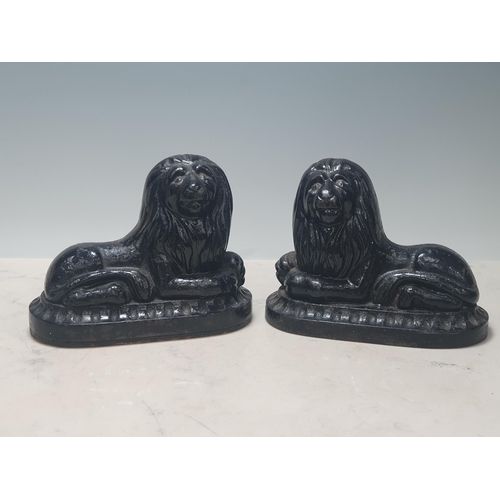
The selection ranges from miniature cold-painted bronze frogs and parrots to substantial cast iron lions and heavy bear statues. Buyers are most likely to meet subjects modelled with varying degrees of realism, capturing animals in resting, recumbent, or alert poses.
Origins span English country workshops and Austrian foundries, incorporating styles such as Vienna Bronze and Animalier. This variety ensures that every piece contributes a distinct narrative to a collection, bridging decorative arts and natural history.
Materials and Techniques
Foundries utilised casting methods suited to the chosen metal, working with bronze, cast iron, lead, pewter, and spelter. Each alloy required specific handling during the molten pour to capture the intricate details of fur, feathers, and anatomical structure.
Many surfaces received applied treatments, notably cold-painted enamel finishes that added lifelike colour to bronze and spelter figures. Cast iron pieces often featured a black painted protective coating, while others relied on the natural patination of the underlying metal.
Victorian Metal Animal Statues Retail Price Guide 2026
Typical asking prices for victorian metal animal statues among the pieces listed under this phrase on Sellingantiques today, from the lower quarter to the upper quarter. They describe what is for sale here now, not the wider market.
A nodding dog in spelter offers a delightful kinetic surprise among stationary lions and bears.
Evaluating Quality in Animal Sculptures
The standard of modelling defines the upper tier of these figures, distinguishing works with lifelike anatomical precision from simpler castings. Superior pieces demonstrate careful chiselling and finishing after the cast has cooled, preserving fine textures.
Preservation of the original cold-painted enamel surface significantly influences the standing of a bronze or spelter figure. Intact colourwork requires careful handling over generations, whereas losses to the enamel alter the visual impact.
FRANZE BERGMAN
The Victorian Metal Animal Statues Glossary
- Animalier
- A nineteenth-century artistic movement focusing on the realistic depiction of animals, particularly in sculpture. Practitioners studied anatomy closely to capture creatures in motion or repose.
- Cold-Painted Bronze
- A technique where bronze sculptures are painted with cold enamel rather than fired in a kiln. This method allowed for vibrant colouration on small decorative figures.
- Spelter
- An alloy of zinc and copper used as an economical alternative to bronze. It was widely cast into decorative figures and ornaments during the nineteenth and twentieth centuries.
- Vienna Bronze
- Small, highly detailed bronze sculptures produced in Austrian workshops, particularly during the late nineteenth and early twentieth centuries. They are frequently finished with cold-painted enamel.
- Recumbent
- A sculptural term describing an animal depicted lying down. This posture was common for lions and dogs designed as fireplace ornaments or doorstops.
Victorian Metal Animal Statues: Frequently Asked Questions
What metals were used for these animal statues?
Foundries used bronze, cast iron, lead, pewter, and spelter to cast these sculptures. Each material offered different weights and finishing possibilities.
Heavier metals like bronze and cast iron suited large bears and lions, while lighter spelter and pewter accommodated delicate frogs and dogs.
How were cold-painted bronze figures coloured?
Artisans applied enamel paints directly onto the cold metal surface without kiln firing. This delicate technique produced rich detail on feathers and fur.
Because the paint was not baked on, surviving examples often show natural wear from handling over the decades.
Where were these animal ornaments placed originally?
Many figures served specific domestic functions, such as fireplace ornaments, desk accessories, or garden sculptures. Larger lions often flanked hearths or doorways.
Smaller subjects like frogs and parrots sat on tables and cabinets as decorative conversation pieces.
How do you distinguish bronze from spelter?
Bronze possesses a heavier weight and a warmer underlying tone when the surface patination wears thin. Spelter is a zinc alloy that feels lighter and shows a greyish metal beneath.
Casting marks and the crispness of fine details also help differentiate the two materials.