





Victorian Mechanical Chair
A victorian mechanical chair offers ingenious adjustable comfort, bringing together nineteenth-century craftsmanship and mechanical innovation for the discerning collector.
Victorian Mechanical Chair
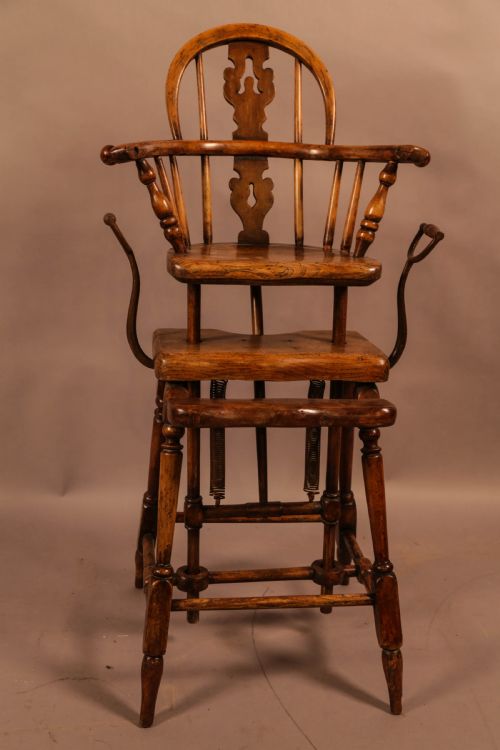
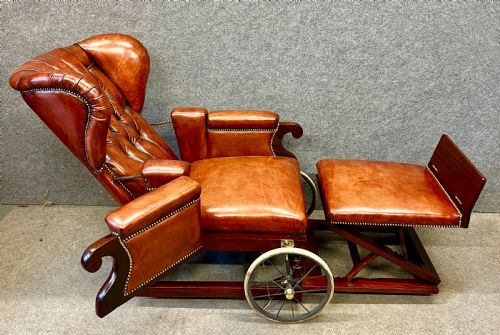
A victorian mechanical chair encompasses a fascinating array of adjustable seating designed for reading, convalescing, and relaxation during the nineteenth century. These sophisticated pieces allow users to alter their seating posture through various mechanical linkages, ratchets, and hinges.
The selections available here span from library reading chairs and metamorphic armchairs to reclining wing armchairs and invalid wheel chairs. Makers utilised diverse forms to cater to the comfort demands of the period, resulting in robust armchairs, daybeds, and chaise longues.
Most examples hail from the broader Victorian era, alongside related pieces from the Regency and William IV periods. Walnut, mahogany, and yew wood provide the structural framework for these versatile designs.
Materials and construction methods
Cabinet makers utilised dense hardwoods such as mahogany, walnut, and yew wood to build the robust frames required to support complex moving parts. Marquetry inlay and timber finishes demonstrate the high standard of nineteenth-century woodworking.
Functional metal mechanisms rely on brass and iron components to enable smooth reclining, adjustment, and mobility in pieces like invalid wheel chairs and metamorphic armchairs. Upholstery traditionally incorporates leather, velvet, and various decorative fabrics suited to heavy domestic use.
Victorian Mechanical Chair Retail Price Guide 2026
Typical asking prices for victorian mechanical chair among the pieces listed under this phrase on Sellingantiques today, from the lower quarter to the upper quarter. They describe what is for sale here now, not the wider market.
One extraordinary nineteenth-century chair combines mechanical reclining with built-in musical capabilities for ultimate parlor entertainment.
Assessing the quality of these chairs
Superior quality in a victorian mechanical chair depends on the ingenuity and smooth operation of its internal mechanism, whether by Minter, J Foot and Son, or John Ward. The integration of brass and iron adjustments into the wooden frame dictates the piece's mechanical sophistication.
Refinement shows in the choice of timber and upholstery, ranging from simple timber frames to walnut marquetry inlaid musical chairs and finely tooled brown leather reading chairs. The harmony between decorative woodwork and concealed engineering separates standard utilitarian seating from exceptional craftsmanship.
Minter·J Foot and Son·John Ward
The Victorian Mechanical Chair Glossary
- Metamorphic chair
- A piece of furniture designed to transform from one form or function into another, such as an armchair converting into a daybed or reclining lounge.
- Reclining armchair
- An adjustable seat engineered to tilt backward, often paired with extending footrests to support a person reading or resting.
- Marquetry inlay
- Decorative patterns formed by fitting small pieces of veneered wood into a prepared timber surface, seen on decorative nineteenth-century examples.
- Convalescing invalid wheel chair
- A specialised mobile seating apparatus built to assist individuals recovering from illness or injury, often fitted with hand-propelled wheels.
Victorian Mechanical Chair: Frequently Asked Questions
What is a victorian mechanical chair?
A victorian mechanical chair is an adjustable nineteenth-century seat designed to alter its shape for reading, resting, or convalescing.
These pieces use internal mechanisms like ratchets and brass fittings to move parts into different positions.
How do you operate the mechanism?
Most mechanisms are adjusted by releasing levers, handles, or ratchets hidden within the wooden frame of the armchair.
Moving the backrest or footrest alters the posture before locking the hardware securely into place.
Were these chairs used for medical care?
Certain forms, such as invalid wheel chairs and convalescing chairs, were specifically engineered to assist sick or recovering individuals.
Other designs served purely domestic purposes in libraries, drawing rooms, and studies for prolonged reading.
What materials are typical for the frames?
Cabinet makers predominantly used solid hardwoods like mahogany, walnut, and yew wood to ensure structural stability.
Brass and iron hardware were integrated into the timber to support the moving parts without failing under daily use.