



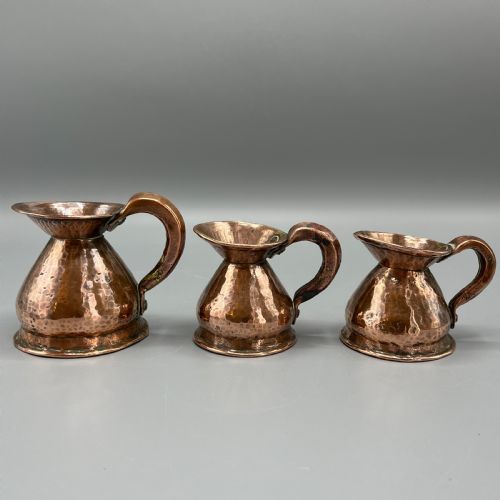


Victorian Measuring Vessel
A victorian measuring vessel brings utilitarian precision into a room through honest metals and robust, functional forms.
Victorian Measuring Vessel
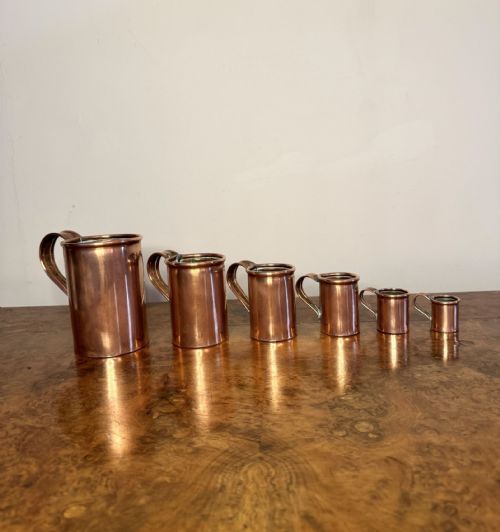
A victorian measuring vessel covers domestic and commercial equipment designed to hold liquids or dry goods accurately. Buyers searching this phrase encounter sturdy vessels shaped for kitchens, public houses, and apothecary counters.
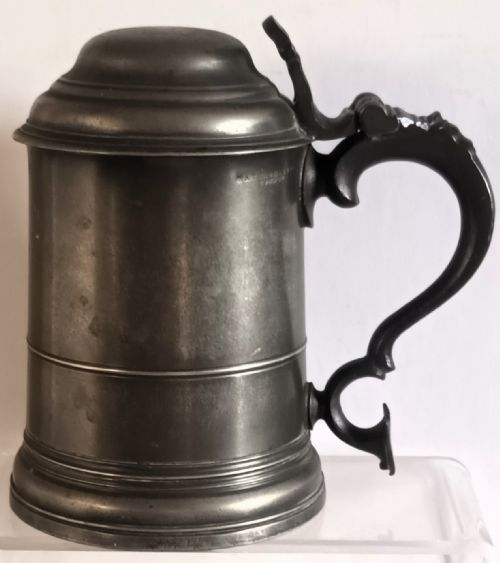
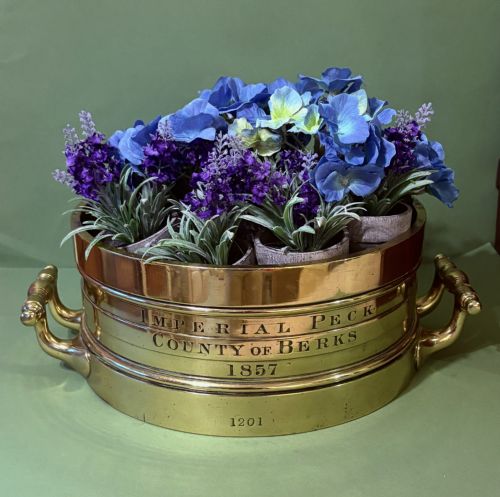
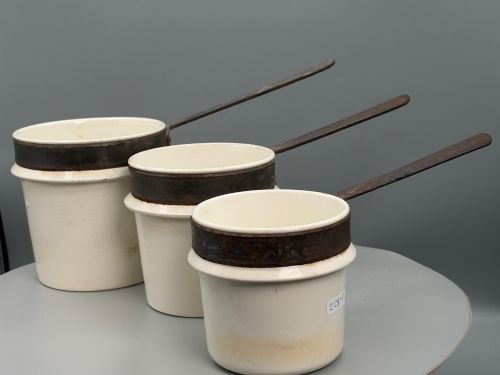
The selections on this page lean heavily towards copper and pewter jugs, alongside brass haystack measures and earthenware pieces. These objects range from miniature apprentice pieces to large two-gallon flagons and grain measures.
Origins stretch from regional English counties to Scottish foundries, incorporating both provincial rustic items and stamped imperial standards. The prevailing style is robustly utilitarian, reflecting the rigorous standards of nineteenth-century trade.
Materials and construction
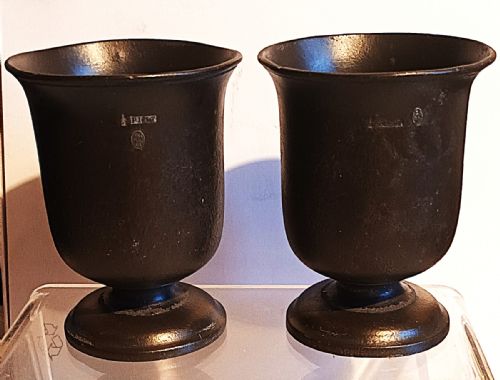
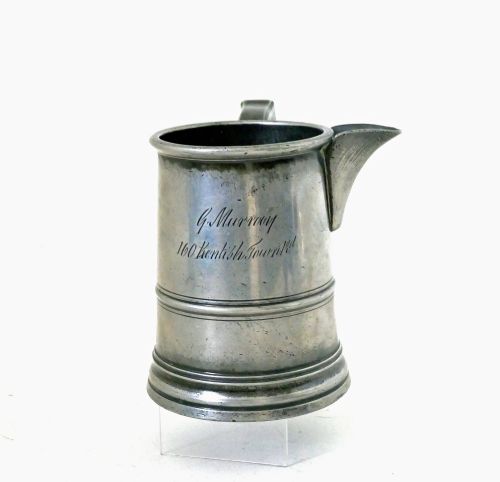
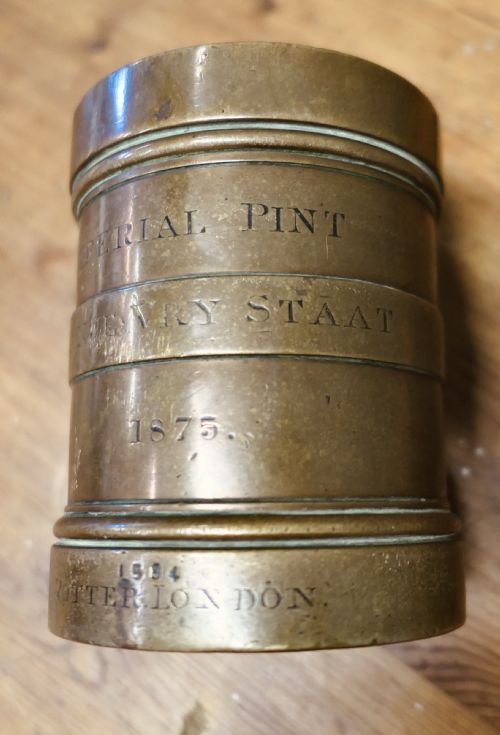
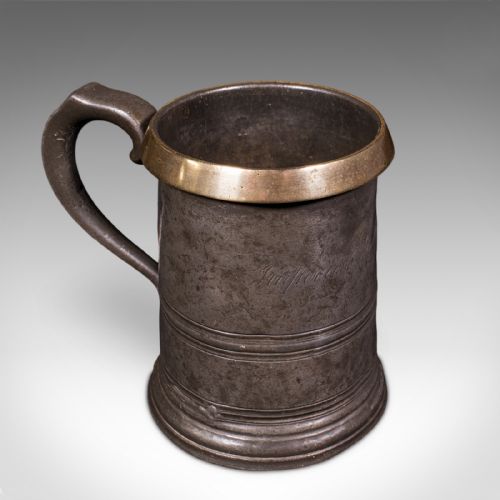
Copper dominates the material record, often paired with brass rims and iron bands to reinforce heavy bodies. Pewter and bronze appear frequently in public house tankards and standard pint measures, cast and beaten into rigid forms.
Surface treatments include tin linings for safe liquid storage and crisp exterior engravings denoting capacity or ownership. Earthenware examples utilise white glazes, while glass vessels rely on blown techniques suited to apothecary use.
Victorian Measuring Vessel Retail Price Guide 2026
Typical asking prices for victorian measuring vessel among the pieces listed under this phrase on Sellingantiques today, from the lower quarter to the upper quarter. They describe what is for sale here now, not the wider market.
Tiny apprentice pieces allowed young trainees to prove their skill on a scale small enough to fit in the palm of a hand.
Judging quality and character
Quality rests in the weight of the metal and the crispness of capacity stamps or maker marks. Heavy-gauge copper and well-cast bronze retain structural integrity and display superior tactile presence.
Surface wear tells a story of genuine use, but top-tier examples preserve their original proportions without heavy distortion or clumsy repairs. Engraved inscriptions and verified regional provenance elevate individual pieces above standard utility wares.
Potter of London·J. Bower·S. Hancock·G.Murrouy
The Victorian Measuring Vessel Glossary
- Haystack measure
- A traditional British liquid measure featuring a tapered, bell-like body resembling a hayrick. These brass or copper vessels were standard in provincial markets.
- Imperial measure
- A capacity standard established by British legislation in eighteen twenty-four. Measures bearing this designation conform to official volume requirements.
- Breweriana
- Collectable items associated with the brewing and serving of beer. Public house tankards and ale jugs fall into this category.
- Tin lining
- A protective metallic coating applied to the interior of copper and brass vessels. This layer prevents toxic reactions between acidic liquids and the base metal.
Victorian Measuring Vessel: Frequently Asked Questions
What were these vessels used for?
These vessels served everyday commercial and domestic roles, measuring everything from ale in public houses to grain in agricultural markets and liquids in apothecaries.
They ensured fair trade and precise recipes before modern digital scales and mass-produced packaging took over kitchens and shops.
How do I clean copper measures?
Most collectors prefer to leave a natural, darkened patina that accumulates over decades of handling and exposure.
If you choose to polish them, use a mild non-abrasive cream and avoid scrubbing away engraved capacity marks or maker stamps.
Are these measures still legally accurate?
While many retain their original verification stamps from inspectors, wear and minor dents mean they should be treated as decorative antiques rather than legal trade standards.
Their calibration is historical rather than guaranteed for modern commercial use.
How can I tell a tavern jug from a domestic one?
Public house jugs often feature official capacity stamps, tavern names, or maker engravings intended for commercial oversight.
Domestic pieces, such as small kitchen jugs or medicine glasses, prioritize household utility or display without licensing inscriptions.