




Victorian Matchbox Holder
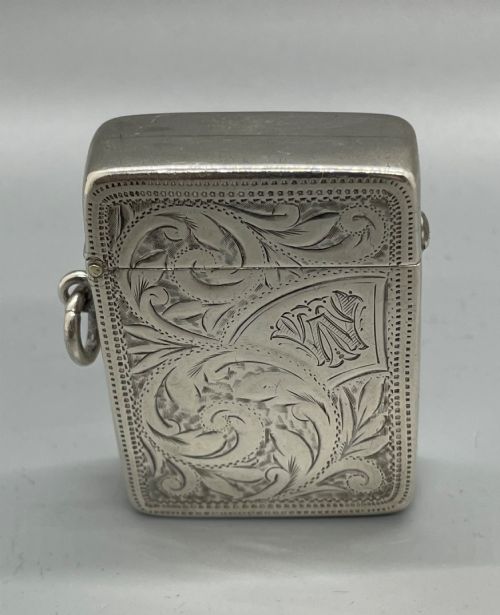
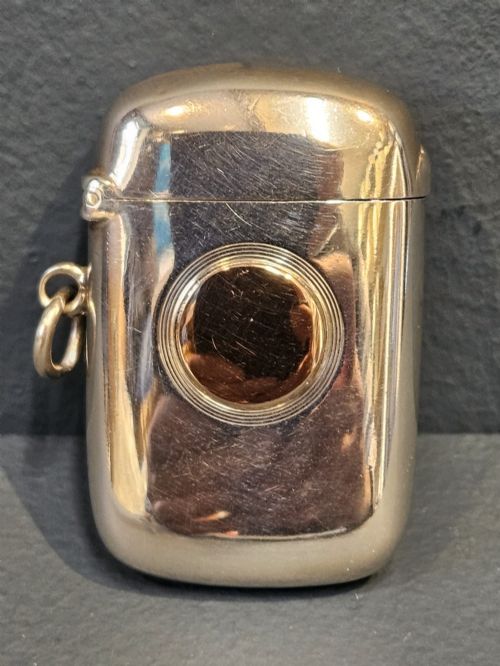
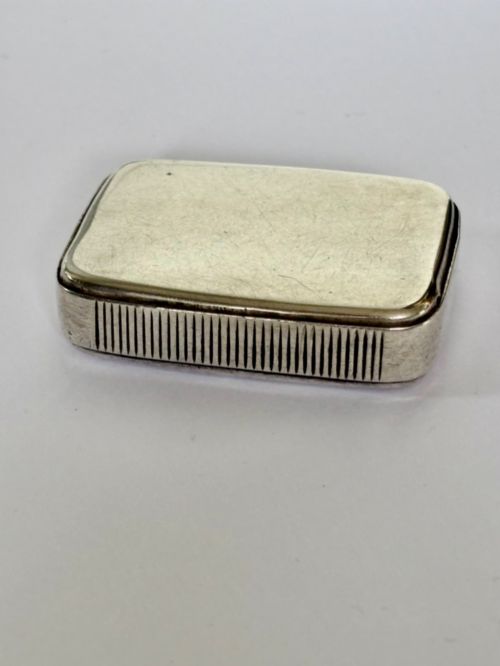
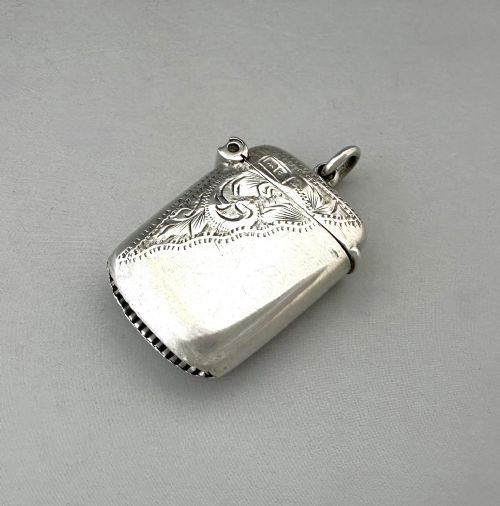
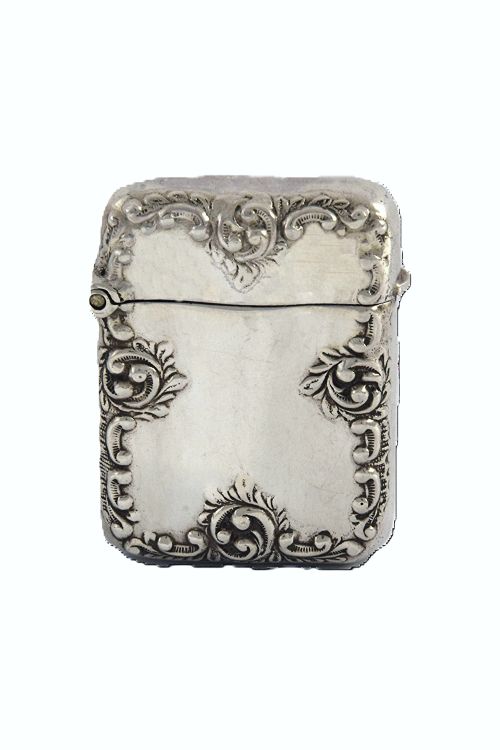
A Victorian matchbox holder, commonly known as a vesta case, is a pocket-sized silver container designed to carry matches safely.
Victorian Matchbox Holder
A victorian matchbox holder, known primarily as a vesta case or match safe, is a pocket container designed to carry matches safely before the invention of safety matches made carrying loose matches hazardous.
The pieces on this page span the Victorian and Edwardian periods, appearing alongside related Edwardian and continental examples from the late nineteenth and early twentieth centuries.
These items take various forms, from standard rectangular sterling silver sleeves to elaborate novelty shapes and double compartment combinations that also house snuff or sovereigns.
Materials and construction methods
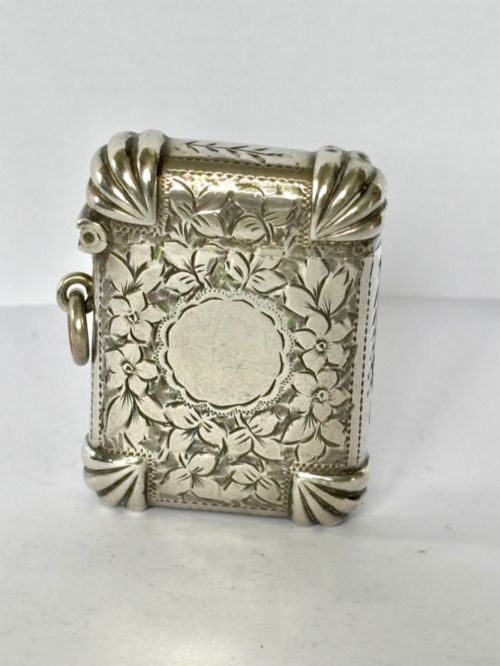
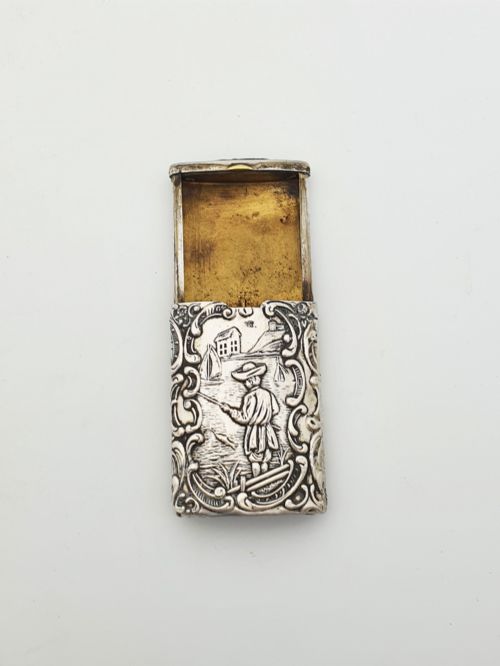
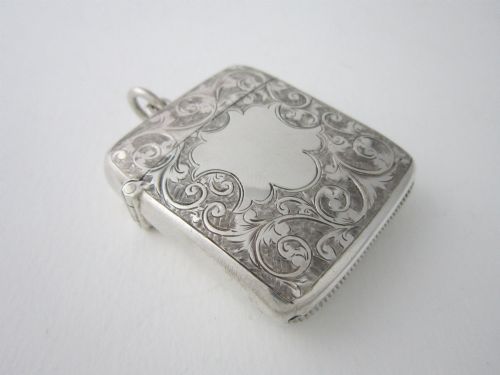
Silversmiths constructed these pieces predominantly from sterling silver, utilising techniques such as repoussé work, hand engraving with leaf and scroll motifs, and applied scenic relief.
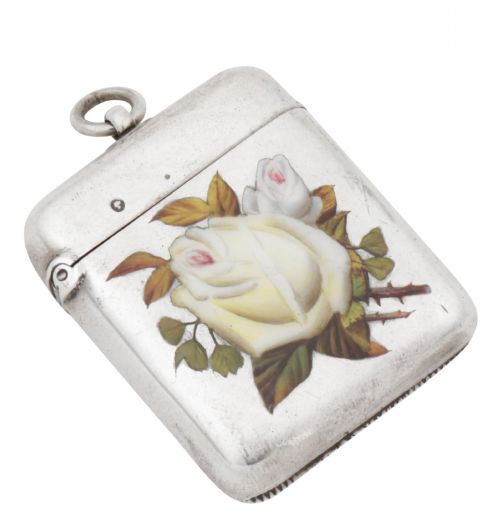
Some examples incorporate precious additions like 9ct gold accents, silver gilt finishes, vermeil, and painted enamel panels depicting roses, jockeys, or figurative scenes.
Victorian Matchbox Holder Retail Price Guide 2026
Typical asking prices for victorian matchbox holder among the pieces listed under this phrase on Sellingantiques today, from the lower quarter to the upper quarter. They describe what is for sale here now, not the wider market.
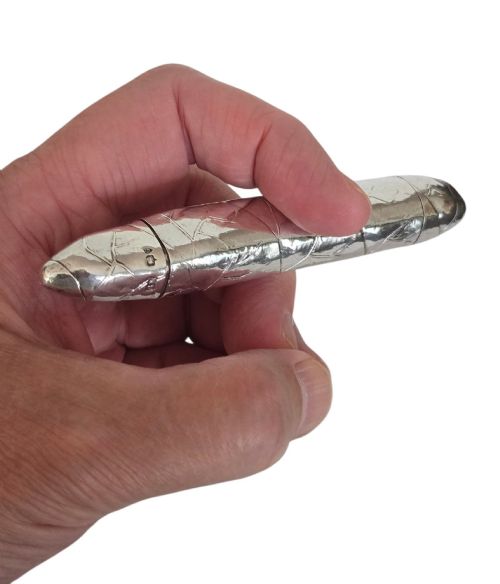
One cheeky Victorian designer even turned a match case into a double-ended cigar.
Distinguishing quality across examples
Quality rests heavily on the crispness of the hand engraving and the complexity of the form, distinguishing standard sleeves from intricate novelty models shaped as boars, cigars, or mermaids.
The presence of crisp hallmarks from notable assay offices like Birmingham, Chester, and London, alongside the maker's mark, separates ordinary production from finer workshop output.
EV Pledge & Son·Sampson Mordan & Co·A & J Zimmerman·William Neale·William Hair Haseler
The Victorian Matchbox Holder Glossary
- Vesta
- A short match tipped with phosphorus, named after the Roman goddess of the hearth. These matches required striking against a roughened surface, which these cases provided on their base.
- Vesta case
- A small pocket container designed to hold vestas and keep them dry. They usually feature a hinged lid and a striated striking panel.
- Silver gilt
- Silver covered with a thin layer of gold on its interior or exterior surfaces. This technique provided the rich appearance of solid gold while utilising silver as a base metal.
- Repoussé
- A metalworking technique where the smith pushes or hammers the design from the reverse side to create a raised relief pattern on the front. This method allowed for tactile floral and figural ornamentation.
- Sovereign case
- A pocket holder specifically sized to carry gold sovereign coins. Many Victorian examples combined this function with a vesta compartment in a single double-ended piece.
Victorian Matchbox Holder: Frequently Asked Questions
What is a vesta case?
A vesta case is a small, hinged container designed to hold matches safely in the pocket. They became essential accessories during the Victorian era for carrying phosphorus matches.
Most examples feature a striated striking panel on the bottom for igniting the match upon removal.
How do I use a Victorian matchbox holder today?
These pocket containers function well today for carrying small items like pills, stamps, or modern matches. The spring-loaded hinged lids remain practical for daily pocket use.
Collectors often display them on desks or within cabinets to appreciate the intricate silver engraving and novelty designs.
How do I identify the date of a silver vesta?
British silver pieces carry hallmarks that indicate the assay office, the standard of silver, and a specific date letter. Examining the interior or rim with a loupe usually reveals these stamped markers.
Birmingham, Chester, and London offices produced the majority of the Victorian examples seen here.