




Victorian Match Pocket
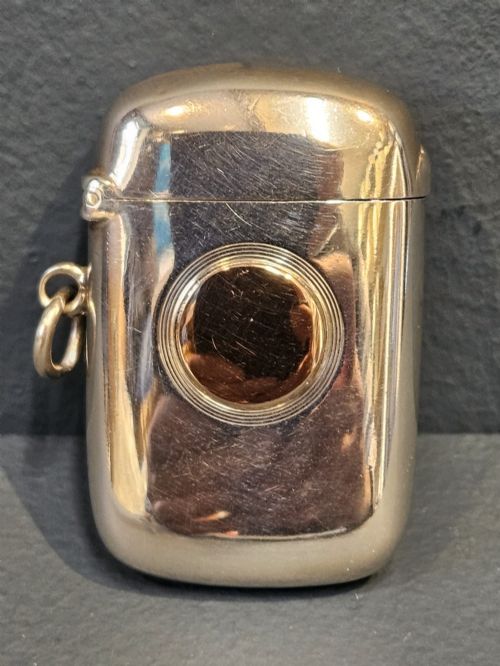
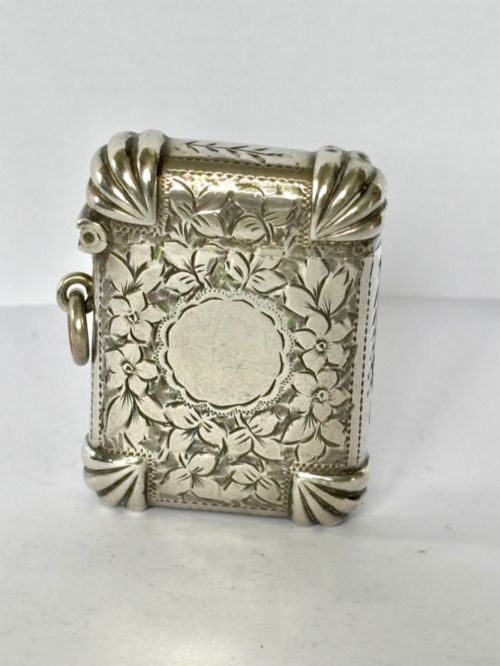
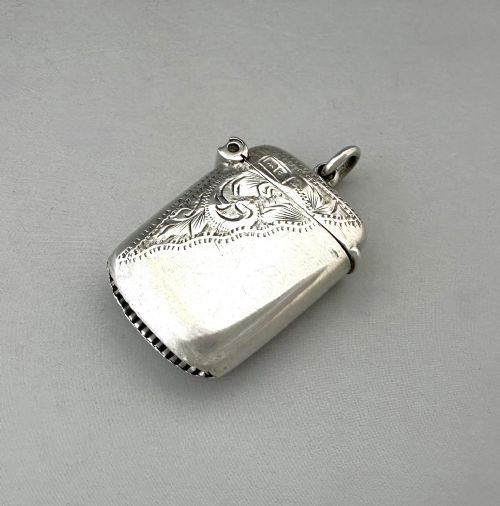
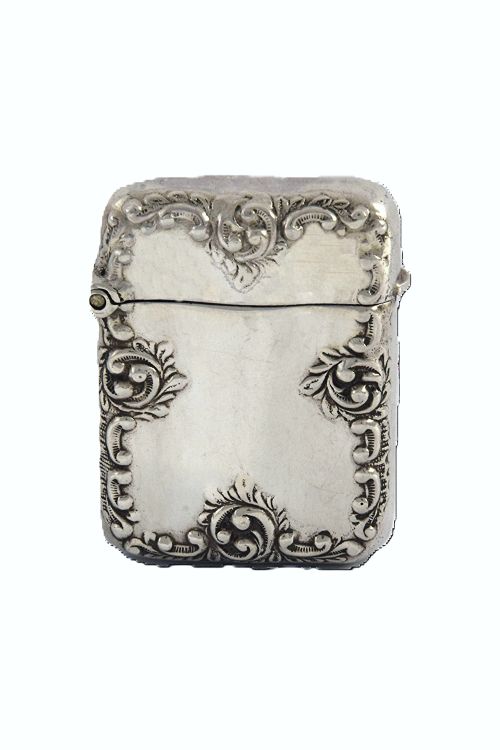
A victorian match pocket is a small container for carrying safety matches safely in the pocket or attached to a watch chain.
Victorian Match Pocket
When searching for a victorian match pocket, a buyer encounters vestas, match safes, and tinder boxes designed to protect matches from moisture and friction.
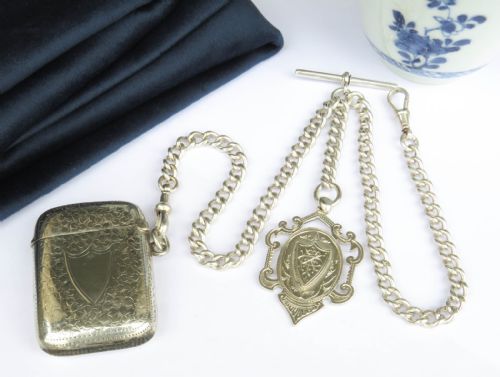
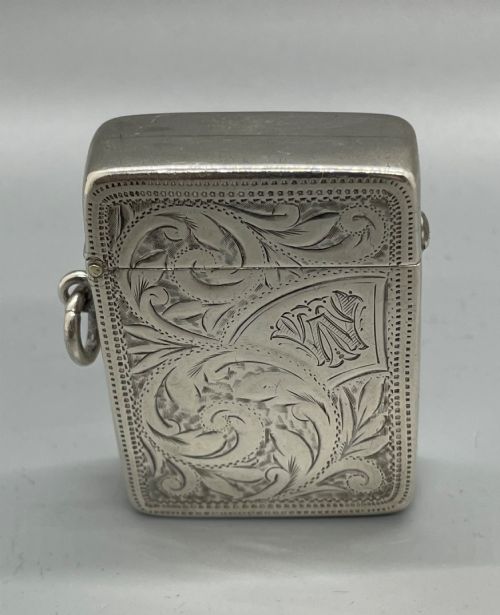
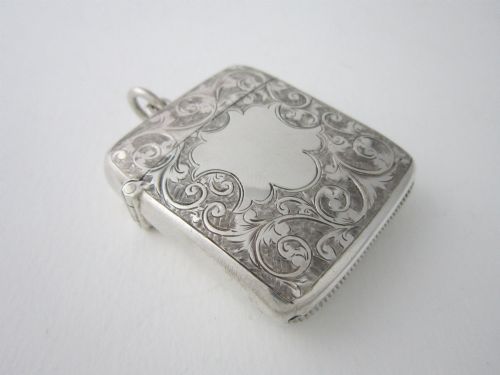
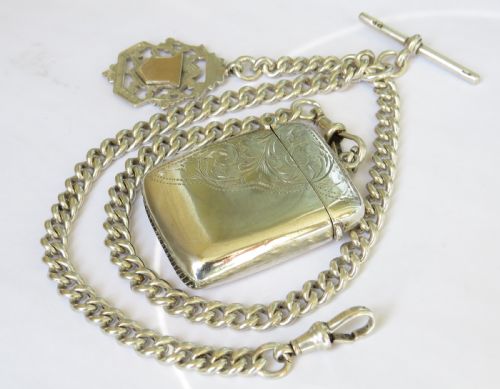
The most common forms on this page are silver vesta cases produced during the Victorian and Edwardian periods, often paired with watch albert chains or fob accessories.
Makers adapted these pieces into novel shapes such as animals, boots, and sentry boxes, alongside standard rectangular flip-top designs.
Materials and construction
Silversmiths constructed these match pockets predominantly from sterling silver, occasionally incorporating 9ct gold, rose gold, steel, or iron.
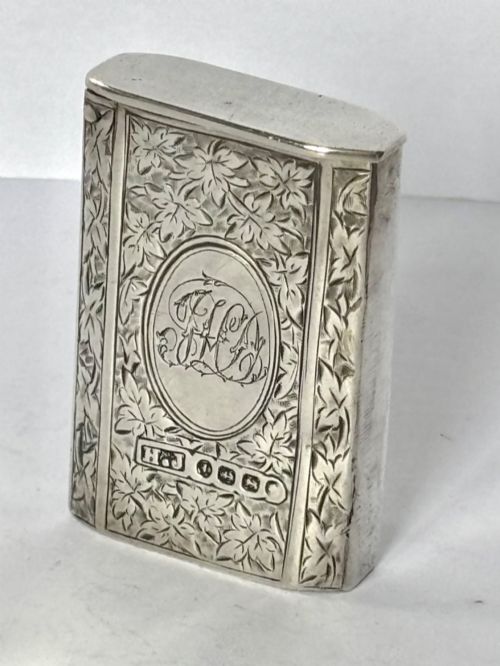
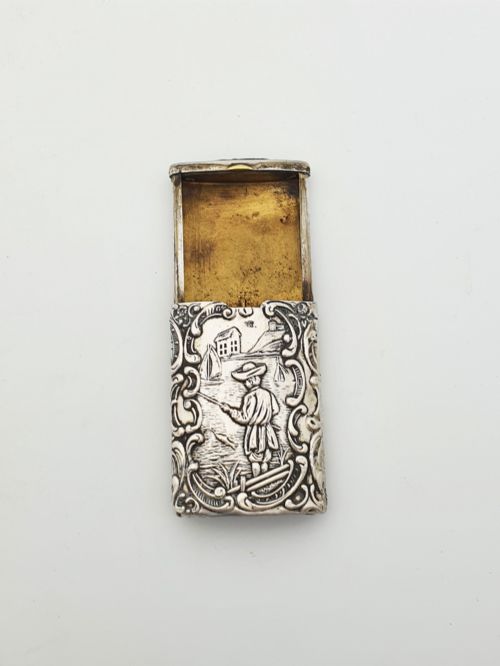
Decoration techniques recorded in the evidence include hand engraving, repoussé work, scenic relief, and painted enamel detailing on surfaces.
Victorian Match Pocket Retail Price Guide 2026
Typical asking prices for victorian match pocket among the pieces listed under this phrase on Sellingantiques today, from the lower quarter to the upper quarter. They describe what is for sale here now, not the wider market.
Listings feature sterling silver, 9ct gold, rose gold, steel, iron, enamel, and walnut.
Assessing quality
Quality in a victorian match pocket depends on the crispness of the chasing or engraving and the mechanical integrity of the hinged lid and internal spring.
Novelty shapes and pieces featuring painted enamel or combination functions such as sovereign holders or photo frames represent the higher tier of production.
Howard James Birmingham·EV Pledge and Son·Sampson Mordan and Co·A and J Zimmerman·William Neale·Minshull and Latimer·William Hair Haseler
The Victorian Match Pocket Glossary
- Vesta
- A small pocket case designed to hold matches and strike them on an integrated abrasive surface. It is named after the Roman goddess of the hearth.
- Albert
- A chain attached to a pocket watch, frequently used to secure vestas and fob seals. It is worn across a waistcoat or jacket.
- Repoussé
- A metalworking technique where the metal is hammered from the reverse side to form a raised design in relief. This creates tactile ornamentation.
- Tinder tube
- A cylindrical container holding charred material or cord for lighting a flame before safety matches became widespread. Examples utilise friction to ignite.
Victorian Match Pocket: Frequently Asked Questions
How do you use a vesta case?
A vesta case holds matches securely in the pocket and protects them from damp air. The user opens the spring-loaded lid to retrieve a match.
The match is then drawn across the striated serrated panel on the base of the case to strike and ignite it.
What is the difference between a match safe and a vesta?
In practical terms, match safe and vesta refer to the same pocket-sized match container. Both terms appear interchangeably in period descriptions.
Collectors in the United Kingdom traditionally use vesta, while American collectors often employ match safe.
How can I date a silver match pocket?
Dating relies heavily upon the legible hallmarks stamped into the metal by official assay offices. These marks identify the city of assay, the standard of silver, and the specific year letter.
Stylistic cues such as Art Nouveau curves or Victorian novelty animal forms provide a secondary guide to the period of manufacture.
Why do some match pockets have two compartments?
Double compartment pieces allowed the owner to carry two different items in a single pocket accessory. Common combinations included a vesta paired with a match striker, a stamp holder, or a small snuff box.
Others served dual roles as sovereign cases for holding gold coins alongside the matches.