


Victorian Marine Seascape Picture
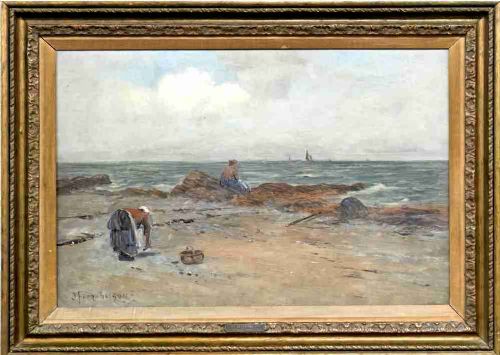
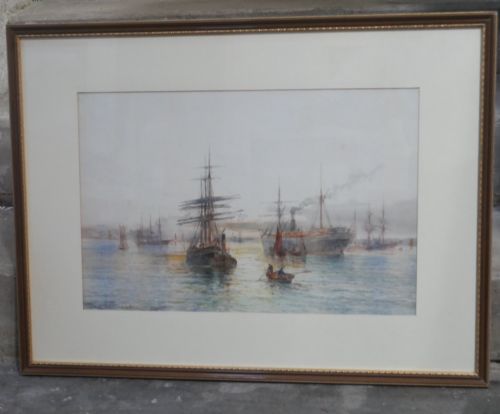
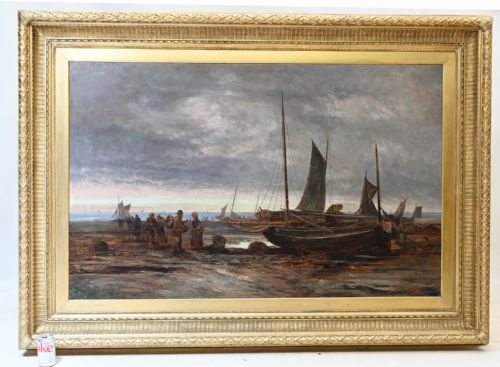
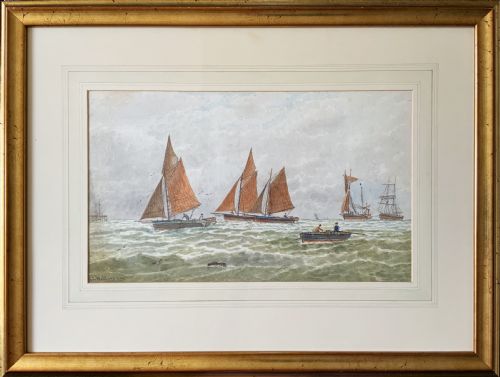
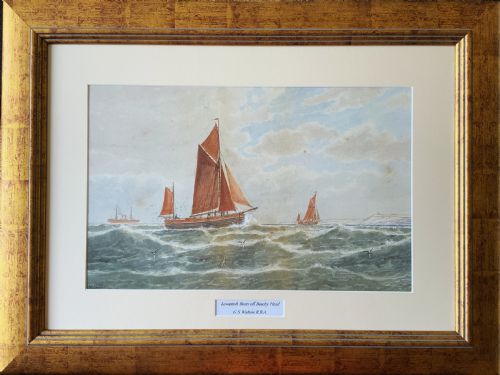
A victorian marine seascape picture captures the motion of coastal tides, bustling harbours and tall ships through nineteenth-century brushwork.
Victorian Marine Seascape Picture
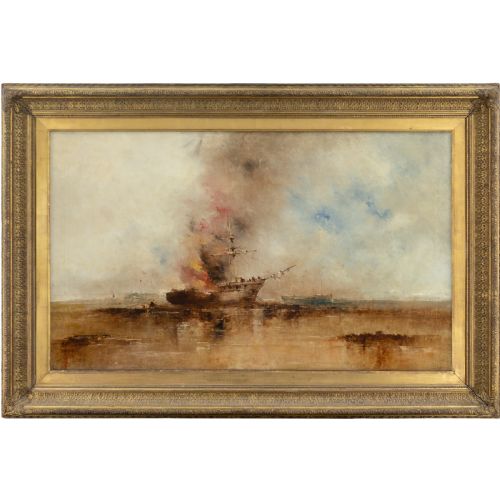
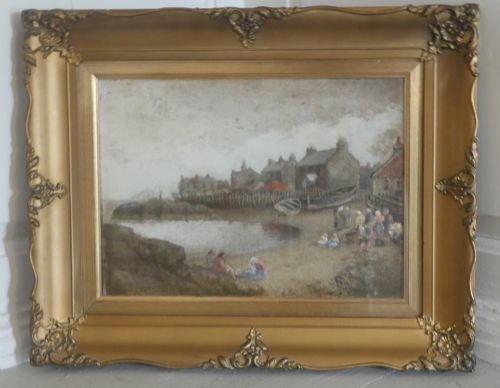
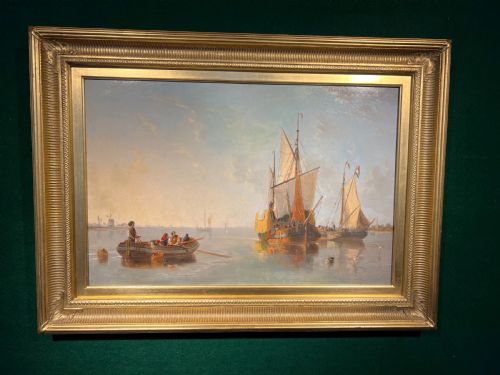
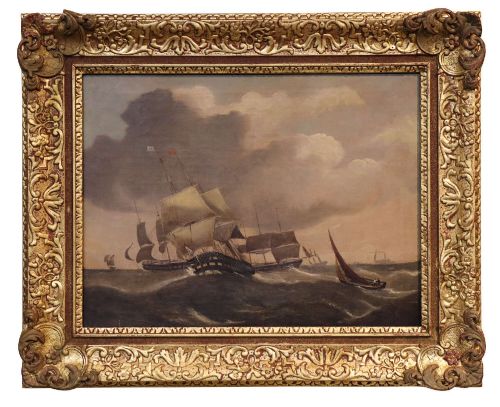
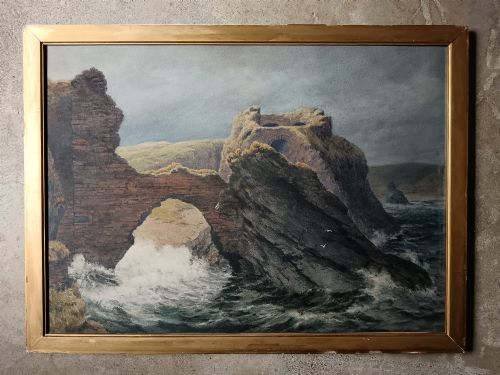
A victorian marine seascape picture encompasses oil paintings and watercolours depicting coastal scenes, shipping vessels and maritime activity from the nineteenth century. These works range from intimate watercolours of local harbours to large canvases showing dramatic shipwrecks and heavy seas.
Buyers will most frequently encounter nineteenth-century oil paintings on canvas and framed watercolours on paper produced during the Victorian period. Common subjects include British coastal towns, Venetian canals and commercial shipping lanes under varying atmospheric conditions.
Materials and Technique
Artists of this era utilised oil paints on canvas or applied watercolour pigments onto paper, frequently housing finished works within giltwood or wood frames. Many watercolours incorporate gum arabic to enrich the depth and luminosity of the sea and sky.
Canvases were stretched over wooden frames and secured with traditional methods, while works on paper relied on glass for protection against moisture and light. Signature details often include artist monograms or inscriptions noting specific coastal locations such as Whitby or Dublin Bay.
Listings feature works from the 19th century through to 1910, executed in oil on canvas, watercolour and charcoal on paper.
Distinguishing Quality
Quality rests upon the artist's ability to render the weight of water, the play of light upon waves and the accurate rigging of vessels. Superior examples display confident handling of atmosphere and proportion rather than rigid adherence to technical illustration.
The integration of the frame also dictates overall standard, as period giltwood frames that complement the painting enhance the visual impact of the artwork. Condition of the pigment, stability of the canvas and minimal intervention during past conservation complete the assessment.
William McAlpine·John Wilson Carmichael·Joseph Farquharson·George Stanfield Walters·John Moxon·William Frederick Settle·Charles William Wyllie·Gustave De Bréanski·John McDougal·James Webb·Frederick William Hattersley·John Mitchell·Frederick William Booty·Kate E Booth·Jane Vivian·Alfred Pollentine·Alfred Henry Vickers·George Henry Knight·Thomas Rose Miles·E Tucker·Thomas Bush Hardy·Ebeneezer Colls·Edward Henry Holder·William Langley
The Victorian Marine Seascape Picture Glossary
- Seascape
- A painting, drawing or other work of art which depicts the sea. These subjects frequently focus upon coastal views, open water or marine weather.
- Giltwood
- Wood that has been covered with a thin layer of gold leaf. This material is commonly found on nineteenth-century picture frames.
- Watercolour
- A paint wherein the colourants are suspended in a water-soluble binder. Paper serves as the primary support for these fluid compositions.
- Canvas
- A closely woven heavy fabric used as a surface for oil painting. It is typically stretched tightly over a wooden frame before work begins.
Victorian Marine Seascape Picture: Frequently Asked Questions
What subjects appear in these paintings?
These works depict coastal towns, busy shipping lanes, lighthouses and open ocean scenes under various weather conditions.
Artists also recorded specific harbours, estuaries and international ports such as Venice and Cannes.
How should these paintings be displayed?
Hang these works away from direct sunlight and excessive humidity to protect the canvas, paper and giltwood frames.
Matching the picture with an appropriate wall space allows the atmosphere of the nineteenth-century maritime scene to anchor the room.
How are periods identified?
Stylistic clues, artist signatures and framing materials help determine the approximate decade of creation.
Nineteenth-century works often carry inscriptions on the reverse or contemporary documentation within the mount.
What is the difference between oil and watercolour?
Oil paintings utilise pigments suspended in drying oils upon stretched canvas, offering rich textures and deep tones.
Watercolours employ water-soluble pigments on paper, creating translucent washes of light across skies and water.