

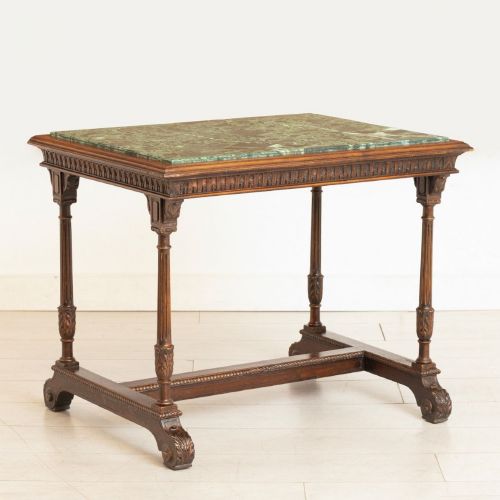


Victorian Marble Table Lamp
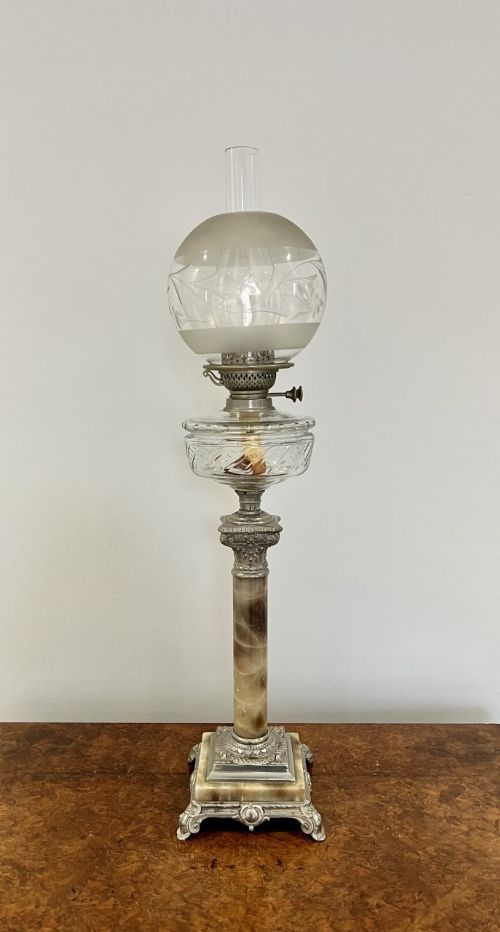
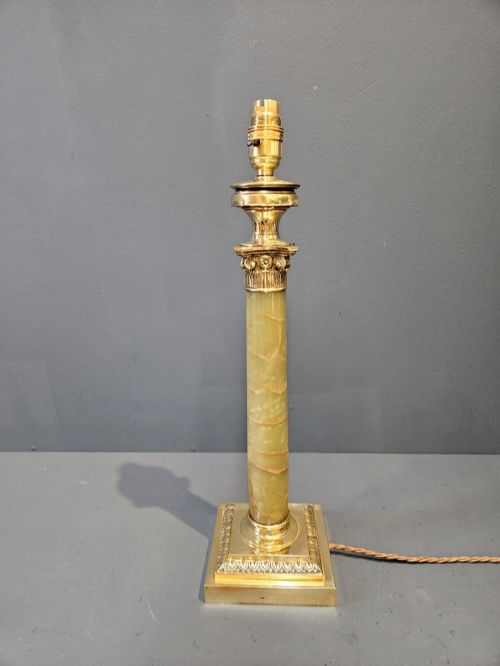
A victorian marble table lamp combines heavy stone bases with gleaming metalwork, offering a solid period weight and steady illumination for any room.
Victorian Marble Table Lamp
When searching for a victorian marble table lamp, a buyer encounters pieces that merge natural stone with worked metals, frequently finding brass or ormolu mounts paired with white or veined marble.
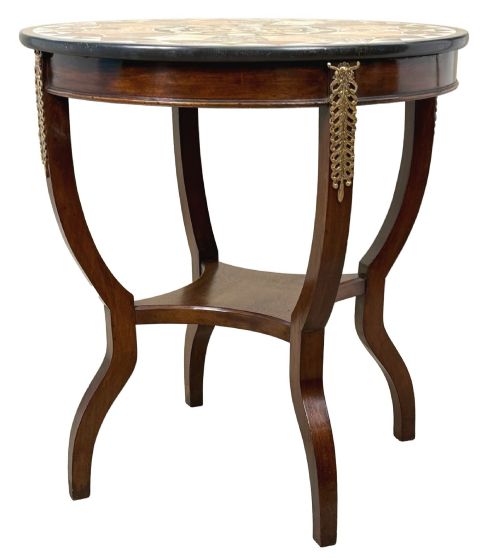
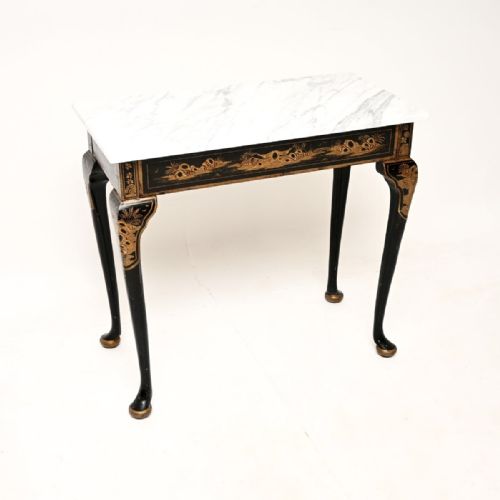
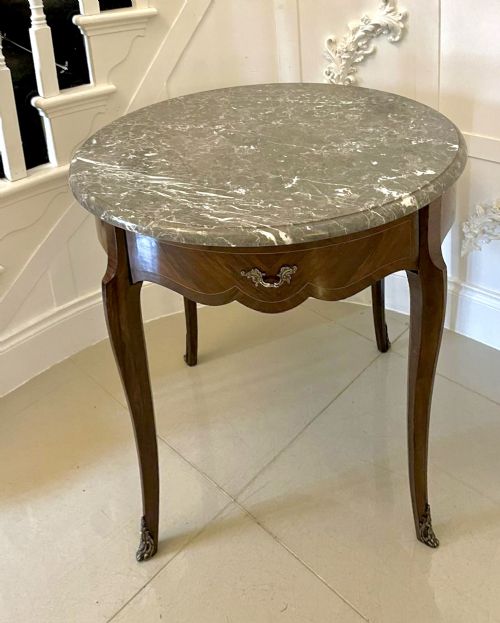
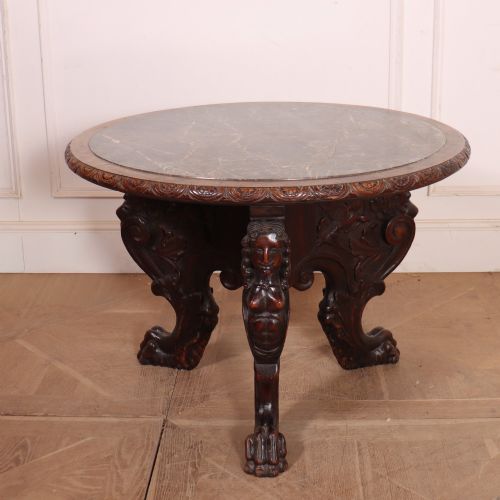
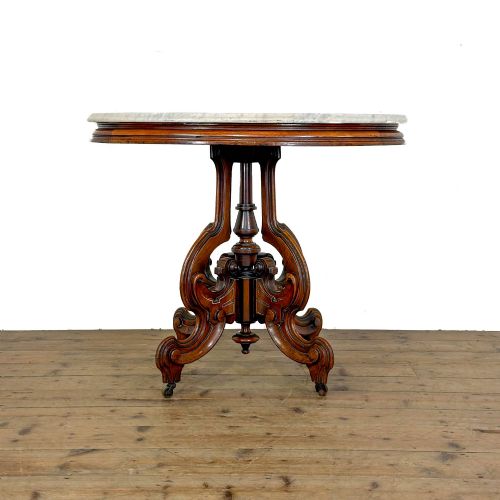
The records show these lighting pieces appear alongside lamp tables featuring marble tops, reflecting the dual Victorian use of sturdy occasional furniture to support heavy lamps.
Most examples date from the late nineteenth century, spanning periods from early Victorian to Edwardian, utilising materials like onyx, bronze, and mahogany.
Materials and construction
Maker workshops turned and polished solid marble or onyx for heavy supportive bases and table inserts, combining the cool stone with cast brass or gilded ormolu.
Makers utilised cabinet woods such as mahogany, kingwood, and oak for table structures, mounting stone tops securely within wooden or metal frames.
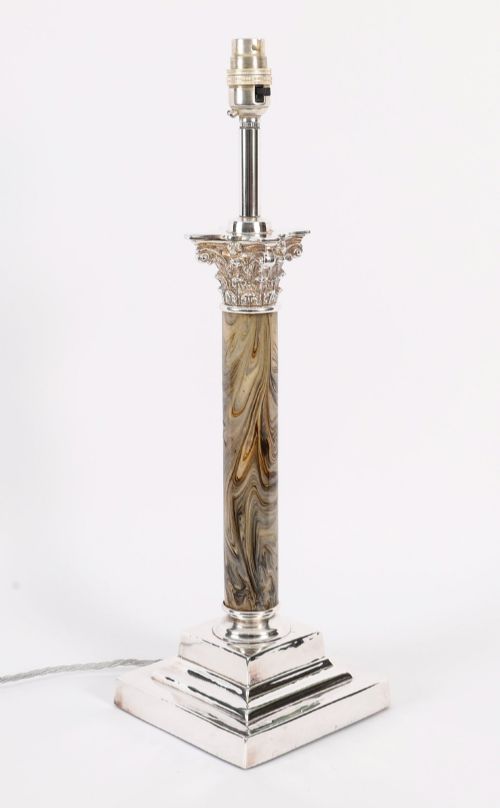
Metal components often involved cast bronze, sometimes cold painted or silver plated, alongside turned brass columns mimicking classical Corinthian architecture.
Listings combine lighting fixtures with occasional and centre tables, showing materials from Carrara marble and onyx to mahogany, brass, and ormolu.
Quality differences
The standard of a piece depends on the weight and purity of the marble, where dense specimen marbles and unblemished alabaster sit above simpler composite stones.
Casting precision defines the metalwork, separating sharply detailed ormolu mounts and crisply fluted brass columns from softer, plain castings.
Integration between stone and metal reveals the maker's skill, requiring tight joints and stable assemblies that support heavy lighting components without sway.
James Shoolbred
The Victorian Marble Table Lamp Glossary
- Ormolu
- Gilded bronze applied to furniture and lamp mounts. This technique creates a rich golden decorative surface characteristic of French and English high-style pieces.
- Specimen marble
- Multi-coloured marble fragments arranged in geometric patterns. Cabinetmakers used these decorative tops on occasional and centre tables.
- Corinthian column
- A classical architectural column style featuring ornate acanthus leaves on the capital. Victorian lamp makers frequently adopted this design for heavy brass and marble standards.
- Onyx
- A banded variety of chalcedony prized for its translucent quality. It appears in table tops and lamp bodies during the late nineteenth century.
- Aesthetic Movement
- A late nineteenth century design style emphasising visual beauty over narrative content. Pieces from this movement often incorporate ebonised wood and slate or marble inserts.
Victorian Marble Table Lamp: Frequently Asked Questions
What is a victorian marble table lamp?
A victorian marble table lamp is a period lighting fixture featuring a heavy stone base or column, often combined with brass, bronze, or ormolu mounts.
These pieces rely on the natural weight of marble to provide stability for oil or early electric lamp fittings.
How were these lamps used originally?
Original Victorian interiors utilised these lamps on side tables, desks, and pedestals to provide focused illumination in parlours and drawing rooms.
Many stood on matching marble-topped occasional tables designed specifically to bear the considerable weight of stone and metal lighting fixtures.
How do I live with a marble lamp?
Living with these lamps involves placing them on sturdy surfaces where their substantial weight is fully supported, keeping them away from heavy foot traffic.
Cleaning requires only a soft, dry cloth to protect the polished stone and metal surfaces from moisture and abrasive cleaners.
How do I tell periods apart?
Earlier pieces from the mid nineteenth century often lean towards classical Revival styles with heavy mahogany and bronze, while late Victorian and Edwardian examples frequently feature slender brass columns or onyx.
Material choices like Derbyshire Fossil marble or aesthetic ebonised wood help narrow down the decade of manufacture.