




Victorian Maple Mirror
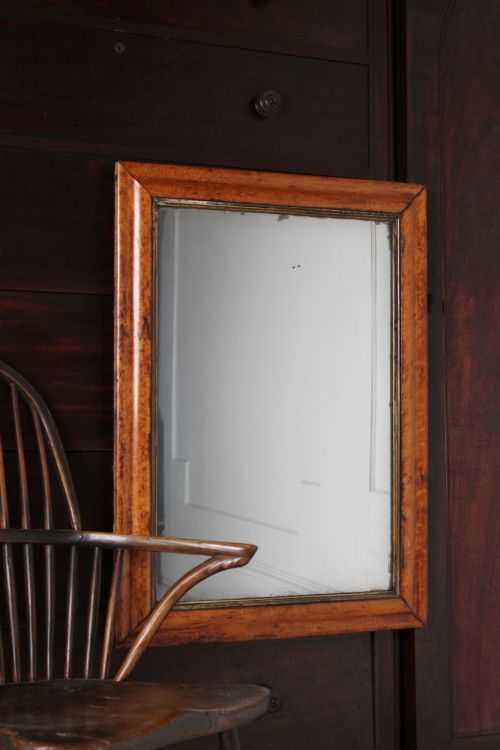
A victorian maple mirror brings warm timber tones and clear reflection into a room, offering both practical utility and period character.
Victorian Maple Mirror
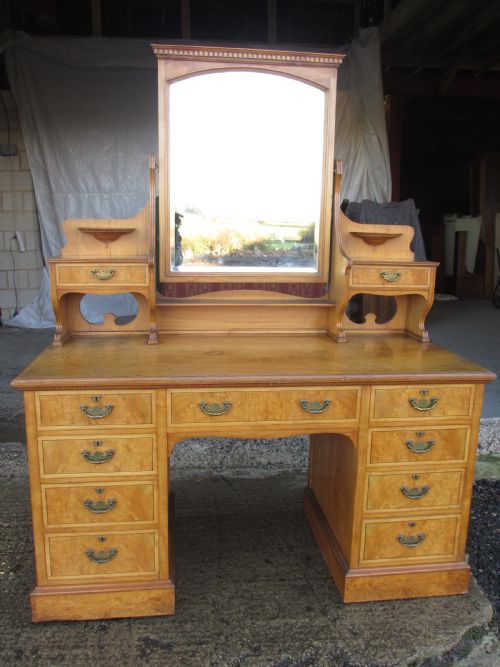
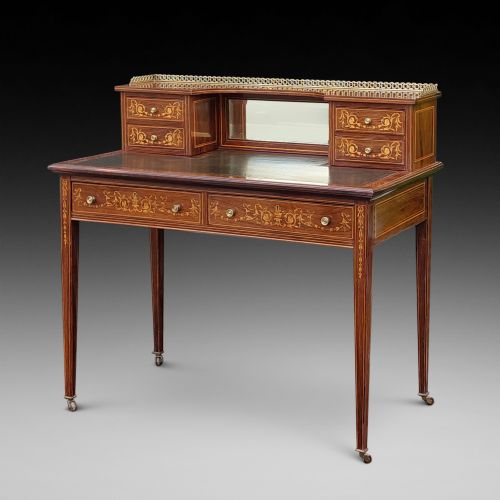
A victorian maple mirror appears in forms ranging from wall-hung glasses to large overmantels, drawing on 19th century and Edwardian periods. The pieces on this page include overmantel mirrors and wall mirrors alongside furniture incorporating mirrored elements.
Makers such as Maple & Co also emerge in the wider listings alongside pieces from the Regency and aesthetic movement eras. These items showcase the varied timber working traditions of the period.
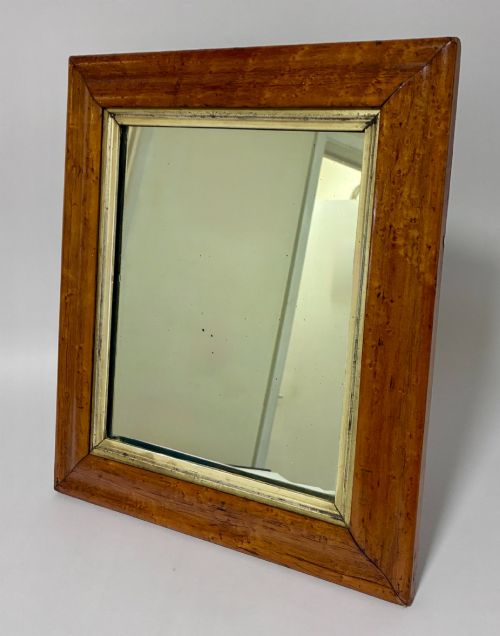
The grain of the maple timber forms the primary visual focus of these pieces, often highlighted through plain frames or combined with giltwood details. Different versions span simple wall hangings to grand architectural overmantels.
Materials and construction
Frames utilise maple and birdseye maple timber, sometimes accented with brass fittings or giltwood sections. The natural figuring of the wood is selected to provide distinct patterns across the surface.
Joinery techniques from the 19th century support the heavy glass plates safely within the timber surrounds. Overmantel mirrors often combine substantial wooden backing structures with decorative mouldings.
Victorian Maple Mirror Retail Price Guide 2026
Typical asking prices for victorian maple mirror among the pieces listed under this phrase on Sellingantiques today, from the lower quarter to the upper quarter. They describe what is for sale here now, not the wider market.
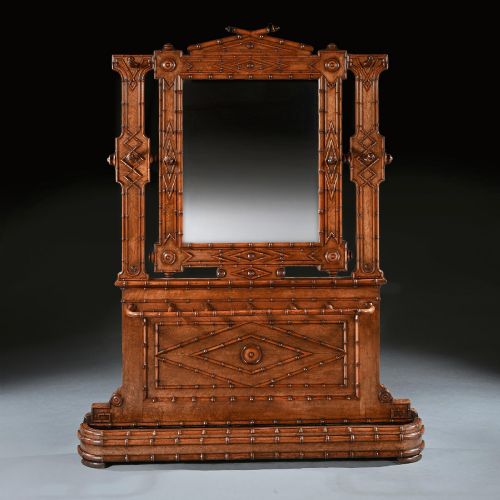
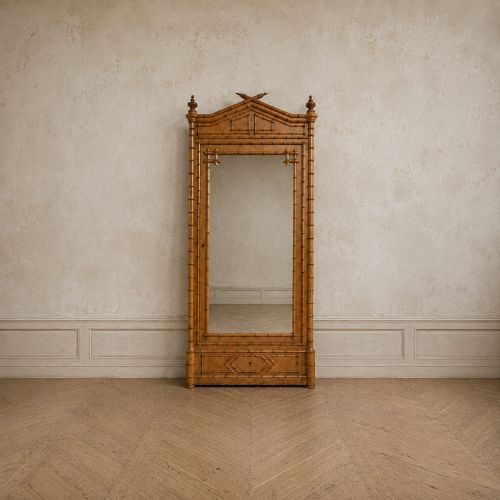
Some Victorian makers experimented with faux bamboo turning on maple frames to satisfy a sudden craze for Japanese-inspired interior design.
Judging quality
The clarity and depth of the timber figuring distinguish finer examples from plain stock, with well-chosen birdseye maple commanding attention. The skill of the joinery around corners and joints further separates standard utility pieces from finer commissions.
Original mirror glass retains subtle imperfections that signal age, whereas later replacements often appear entirely uniform. The integration of secondary materials like giltwood or brass also demonstrates the maker's ambition.
Maple & Co
The Victorian Maple Mirror Glossary
- Maple
- A dense hardwood prized for its pale colour and distinct grain patterns, including the spotted figuring known as birdseye. It takes a smooth finish and forms the structural basis of these frames.
- Overmantel mirror
- A large glass designed to be hung specifically above a fireplace mantelpiece. These pieces often feature architectural proportions to anchor the room's main hearth.
- Aesthetic movement
- A late 19th century design style that prioritised visual beauty over narrative meaning. Pieces from this period often incorporate Japanned details or faux bamboo turning.
- Giltwood
- Timber that has been coated with a thin layer of gold leaf or gilt paint. It provides bright contrast against the warm, natural tones of maple.
Victorian Maple Mirror: Frequently Asked Questions
What is birdseye maple?
Birdseye maple is a figured variation of the standard timber where small circular patterns resemble tiny bird eyes. This natural phenomenon occurs in sugar maple trees under particular growing conditions.
Cabinetmakers prized this timber for decorative panels and frames. The distinctive dots create a speckled appearance across the polished surface.
How should I clean a vintage maple frame?
Dust the timber gently with a dry, soft cloth to remove surface particles without disturbing the polish. Avoid using modern chemical sprays or excessive water on 19th century wood.
Occasional applications of appropriate wax feed the timber and maintain its natural lustre. Keep the mirror away from direct heat sources to prevent the wood from drying out.
Are these mirrors all from the Victorian era?
While the primary focus rests on 19th century and Victorian craftsmanship, the listings also include Regency, Edwardian and early 20th century examples. Design movements evolved from grand classical styles to aesthetic and faux bamboo variations.
Comparing the moulding details and framing techniques helps identify the specific period. Each era brought distinct proportions to the finished glass.