




Victorian Mahogany Revolving Stand
A victorian mahogany revolving stand brings fluid motion and practical elegance to your study or parlour.
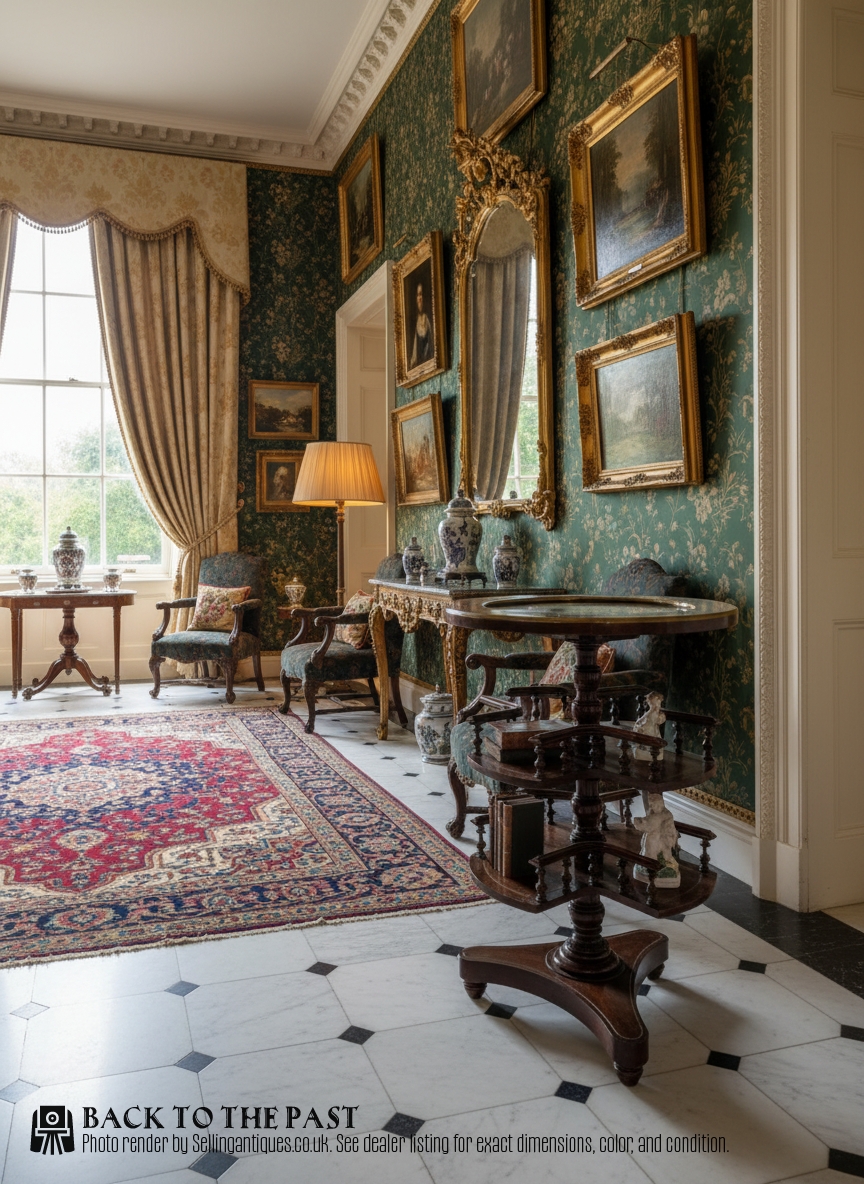
Victorian Mahogany Revolving Stand
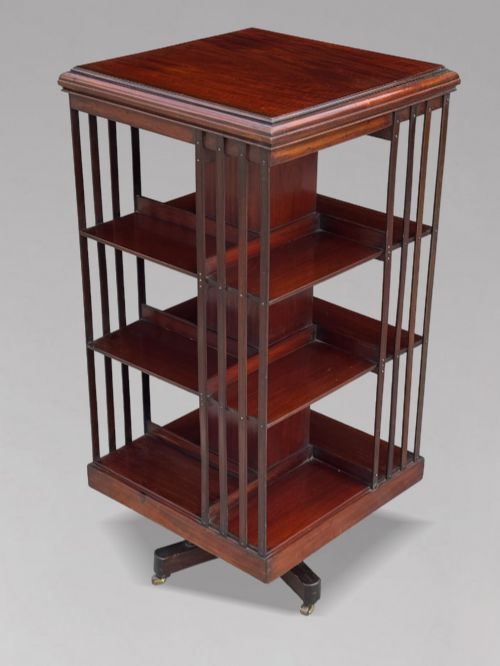
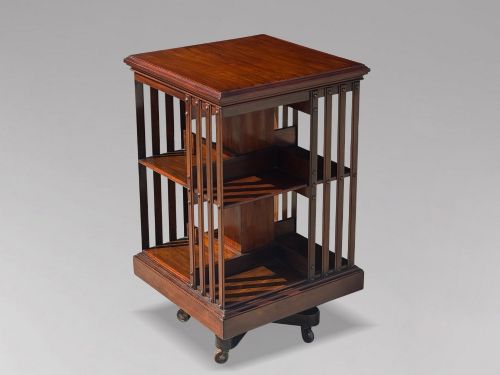
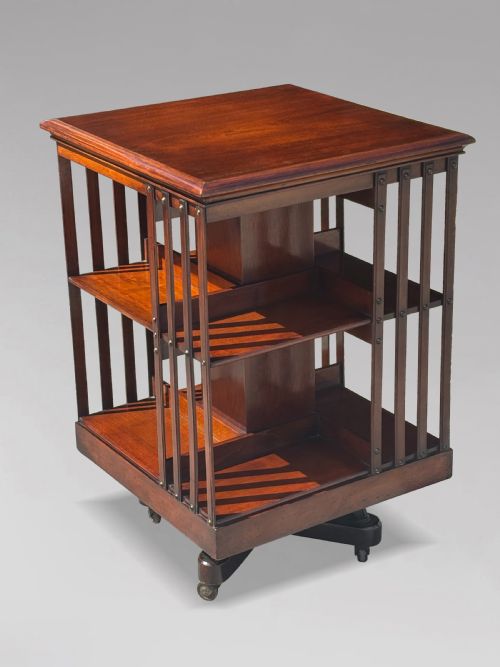
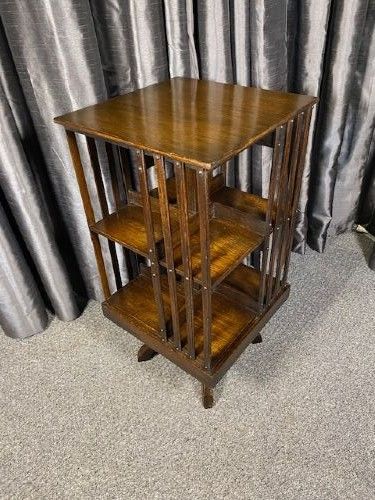
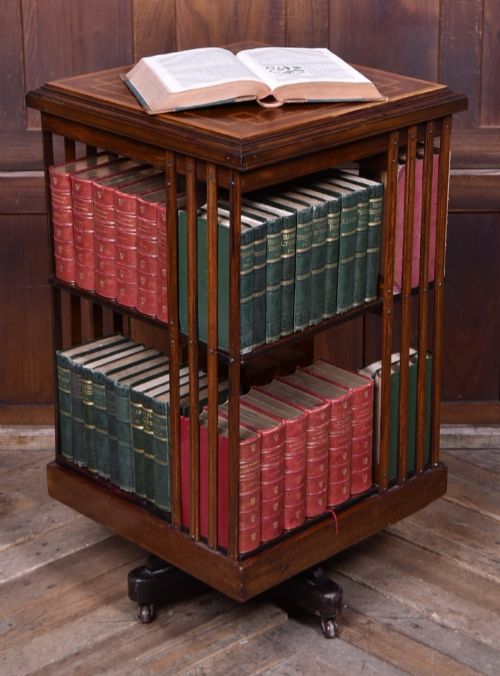
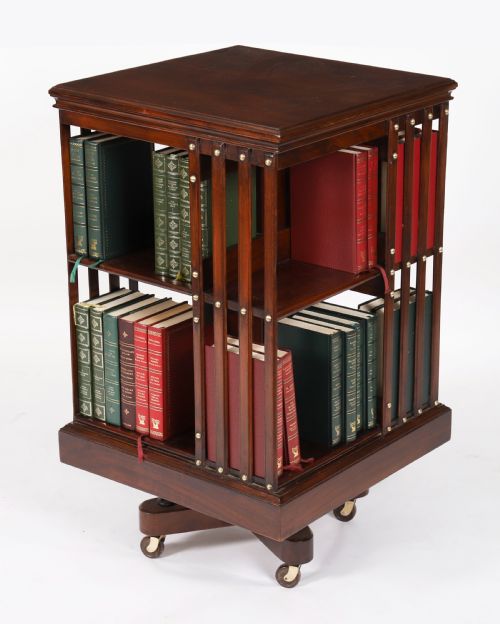
A victorian mahogany revolving stand is primarily encountered as a multi-tiered bookcase designed to sit upon a desk or rest directly on the floor. These pieces turn smoothly on a central axis, allowing ready access to volumes without requiring you to move around the furniture.
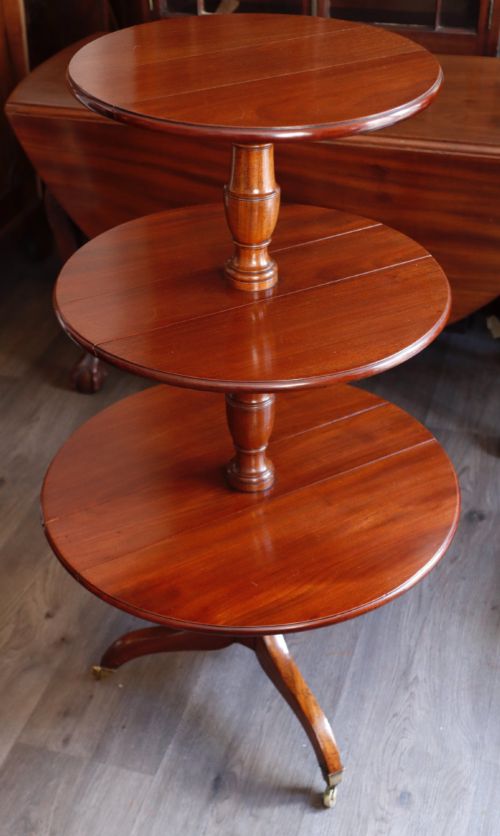
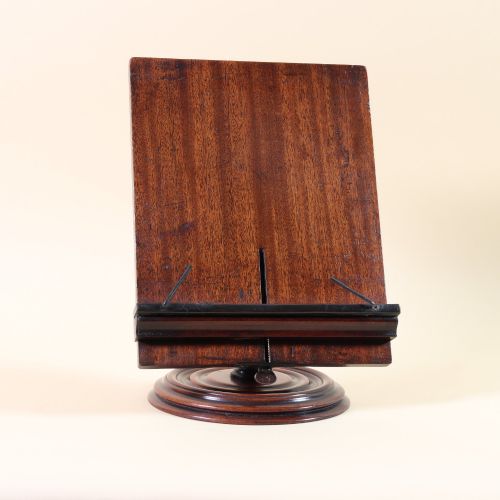
Beyond bookcases, the evidence reveals these rotating pieces take the form of dumb waiters, magazine racks, table top book rests, and specialist stands for hats, coats, boots, and snooker cues. The dominant material across these varied forms is dense, rich mahogany.
The objects span the nineteenth century, with strong representation from the Victorian era alongside related pieces from the Georgian, Regency, and Edwardian periods. Most examples you will meet here date from the later nineteenth century, particularly around eighteen eighty to eighteen ninety.
What varies in quality
The quality of a revolving stand lies in the precision of its turning mechanism and the stability of its base under load. Superior pieces maintain a smooth, level spin without wobbling or sticking, reflecting careful engineering of the internal pivot.
Material selection and decorative enrichment further distinguish the range. Finer examples feature figured mahogany veneers, substantial brass fittings, or specialised marble tops, whereas simpler utility stands rely on plain timber construction.
Listings feature mahogany as the dominant material, frequently paired with brass and cast iron mechanisms across the nineteenth and early twentieth centuries.
Maple and Co
The Victorian Mahogany Revolving Stand Glossary
- Mahogany
- A durable tropical hardwood prized for its rich reddish-brown colour and fine grain, serving as the primary material for these stands.
- Dumb waiter
- A tiered serving stand, often revolving, designed to hold dishes or books within arm's reach.
- Canterbury
- A low, partitioned stand used originally for holding sheet music or books, occasionally appearing in revolving formats.
- Tripod base
- A three-legged support structure commonly found beneath nineteenth-century revolving stands to ensure stability on uneven floors.
- Treen
- Small handmade wooden utilitarian objects, representing the material used for smaller revolving stands such as egg cup holders.
Victorian Mahogany Revolving Stand: Frequently Asked Questions
How do these revolving stands actually work?
These stands utilise a concealed central pivot or ball-bearing mechanism fixed between the rotating upper tiers and a weighted stationary base. This engineering allows the entire superstructure to turn smoothly with a gentle push from your hand.
The design distributes the weight evenly over the axis, preventing the stand from tilting when books or items are removed from one side. Regular cleaning and occasional lubrication of the hidden pivot ensure the rotation remains effortless over time.
Were all these stands meant for books?
While revolving bookcases form the majority of the examples, the evidence shows these rotating mechanisms were applied to many domestic and recreational items. You will find specialised stands designed for magazines, hats, coats, riding boots, and snooker cues.
Each form served a distinct function in the nineteenth-century interior, from the parlour to the billiard room. The shared mechanical principle simply offered convenient access to whichever items the owner required close at hand.
How do I care for mahogany furniture?
Mahogany responds best to a stable indoor environment away from direct sunlight and extreme temperature fluctuations, which can dry out the timber. Dust the surface regularly with a soft, dry cloth to prevent accumulation in carved details and joints.
Avoid modern silicone-based polishes and instead apply a traditional beeswax sparingly when the wood appears dry. Buffing the surface gently brings out the natural depth and warm lustre of the mahogany grain.
How do I distinguish Victorian pieces from Edwardian ones?
Victorian stands, typically dating from the mid to late nineteenth century, tend to feature heavier proportions, dense figured mahogany, and deep reddish tones. Decorative elements often include substantial brass fittings and robust column supports.
Edwardian pieces, emerging after nineteen hundred, generally present a lighter aesthetic with simpler lines and occasional use of satinwood inlay or alternative timbers like oak. Examining the construction methods and secondary woods helps clarify the period of manufacture.