



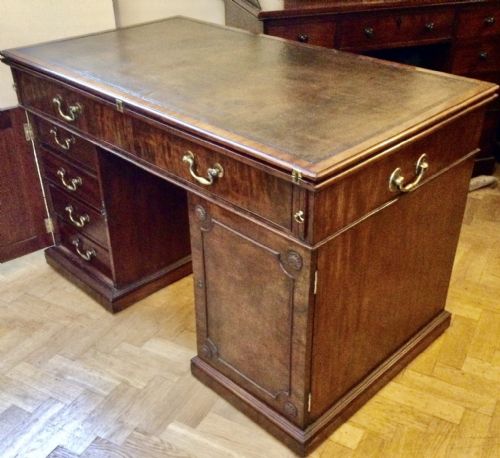


Victorian Mahogany Desk Cupboard
These victorian mahogany desk cupboard pieces combine rich timber with practical storage, offering a traditional workspace essential for any study.
Victorian Mahogany Desk Cupboard
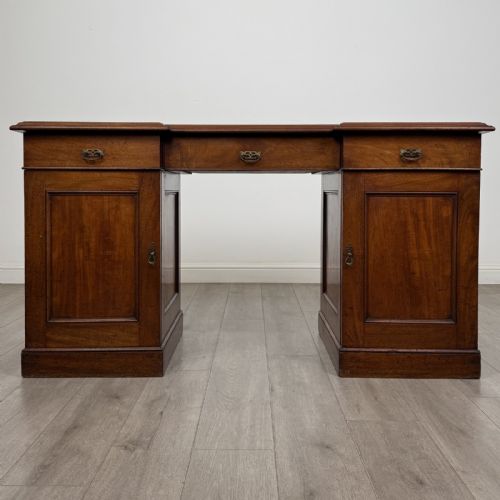
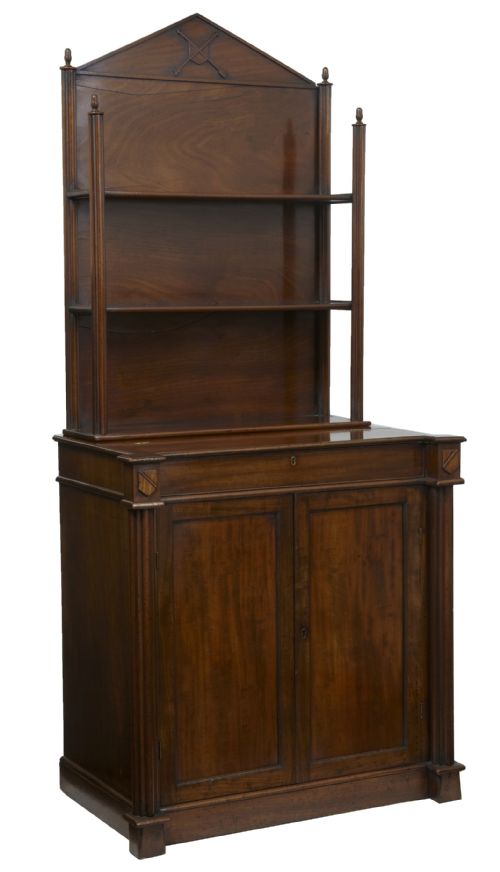
A victorian mahogany desk cupboard brings together versatile workspace furniture and enclosed storage, drawing from periods such as the nineteenth century, Georgian eras, and Victorian designs. Buyers searching this phrase encounter a range of forms, from kneehole desks and pedestal desks to secretaire bookcases, miniature chests, and side cabinets.
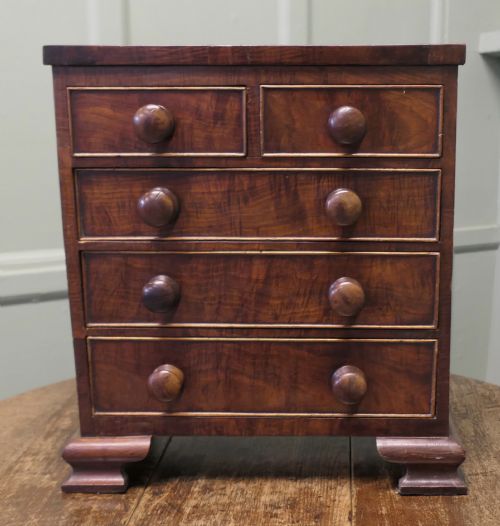
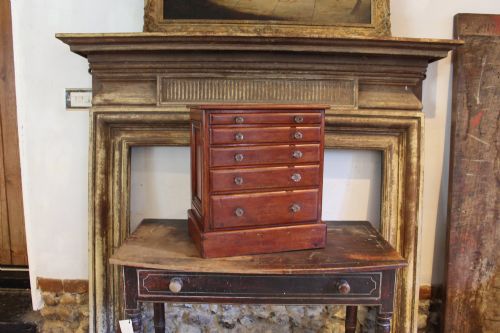
The pieces listed span compact miniature apprentice furniture and larger campaign cabinets, alongside formal pedestal writing desks featuring central or side cupboards. Many items display traditional drawer configurations and fitted writing sections, anchored by the rich tones of nineteenth-century timber.
Materials and construction
Construction relies heavily on solid mahogany and mahogany veneers, occasionally paired with secondary timbers like oak, alongside brass hardware for handles and campaign mounts. Selected pieces incorporate decorative details such as boxwood stringing, bone accents, wood inlay, and inset tooled leather writing surfaces.
Joinery techniques reflect traditional nineteenth-century cabinetmaking standards, visible in dovetailed drawers and panelled cupboard doors. Glazed sections in bookcases and cabinets utilise timber framing, while surfaces are finished to highlight the natural grain and depth of the mahogany.
Victorian Mahogany Desk Cupboard Retail Price Guide 2026
Typical asking prices for victorian mahogany desk cupboard among the pieces listed under this phrase on Sellingantiques today, from the lower quarter to the upper quarter. They describe what is for sale here now, not the wider market.
Materials appearing across current and past items include mahogany, brass, boxwood, bone, wood inlay, and tooled leather.
Markers of quality
Quality reveals itself in the selection of the timber, where finely figured mahogany grain and consistent colour across large surfaces distinguish superior examples from simpler utilitarian pieces. The crispness of carved details, the precision of boxwood inlay, and the retention of original brass fittings indicate higher standards of workshop production.
Structural integrity and the original condition of fitted interiors, leather skivers, and internal drawer arrangements separate well-preserved items from heavily altered examples. Faded patination achieved naturally over time adds desirability, provided the underlying timber and construction remain undamaged.
Johnstone & Jeanes
The Victorian Mahogany Desk Cupboard Glossary
- Mahogany
- A durable tropical hardwood prized for its deep reddish-brown colour and fine grain. It served as the primary material for high-quality nineteenth-century cabinetmaking.
- Secretaire
- A desk or cabinet featuring a pull-down writing flap that conceals a fitted interior of small drawers and pigeonholes. It merges storage with a dedicated writing surface.
- Kneehole desk
- A compact pedestal desk featuring a central recess for the user's legs, flanked by banks of drawers or cupboards. This form became popular during the Georgian and Victorian periods.
- Campaign furniture
- Portable pieces designed for military officers, constructed in sections with brass corners and recessed handles for travel. These items offer robust modular storage.
Victorian Mahogany Desk Cupboard: Frequently Asked Questions
What is a secretaire bookcase?
A secretaire bookcase combines an upper section of glass-panelled shelves with a lower desk component containing a drop-front writing drawer. This fitted drawer opens to reveal internal pigeonholes and small compartments.
Such pieces offered dual functionality for Victorian studies and libraries, allowing owners to store books above while maintaining a private space for correspondence below.
How do pedestal and kneehole desks differ?
Pedestal desks consist of two independent banks of drawers supporting a single top, often incorporating cupboards within the pedestals or central recess. Kneehole desks share a similar recessed profile but typically emphasise smaller proportions and specific drawer layouts.
Both forms utilise mahogany construction and frequently feature inset leather writing surfaces suited for daily clerical work.
What defines miniature apprentice furniture?
Apprentice pieces are small-scale replicas of full-sized chests of drawers and cabinets made by young woodworkers to prove their skill to a guild. They replicate every construction detail found on larger furniture.
These compact items function as decorative collectors' pieces while showcasing traditional nineteenth-century woodworking techniques in miniature form.
How should I care for mahogany furniture?
Mahogany surfaces benefit from gentle dusting with a dry lint-free cloth and occasional treatment with traditional beeswax to nourish the timber. Direct sunlight and sudden temperature changes should be avoided to prevent the wood from drying out.
Preserving tooled leather writing inserts requires keeping moisture away and using specialised leather dressings only when necessary to maintain flexibility.