
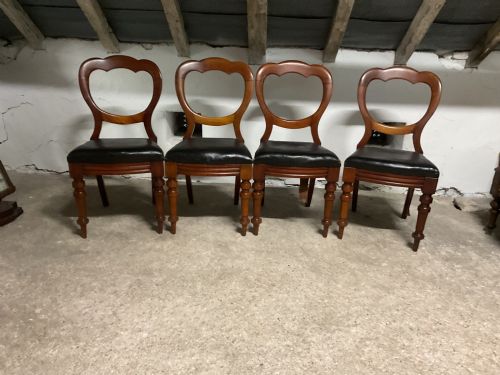
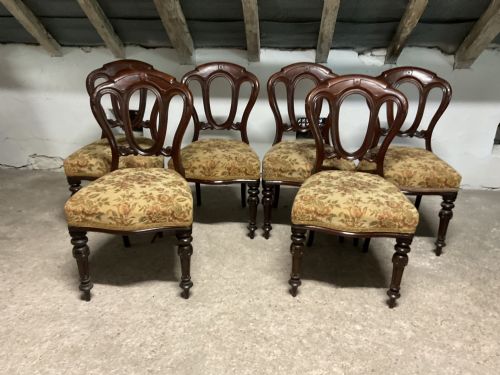
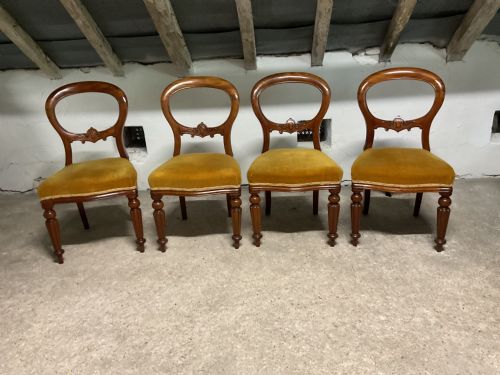
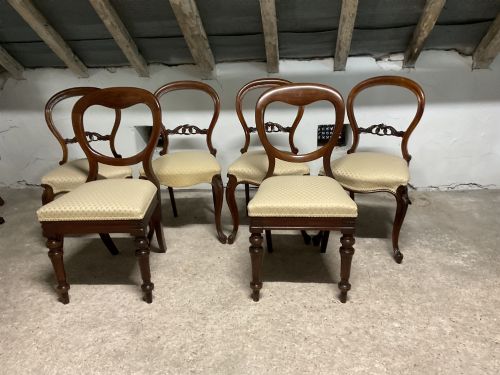
Victorian Mahogany Balloon Backs
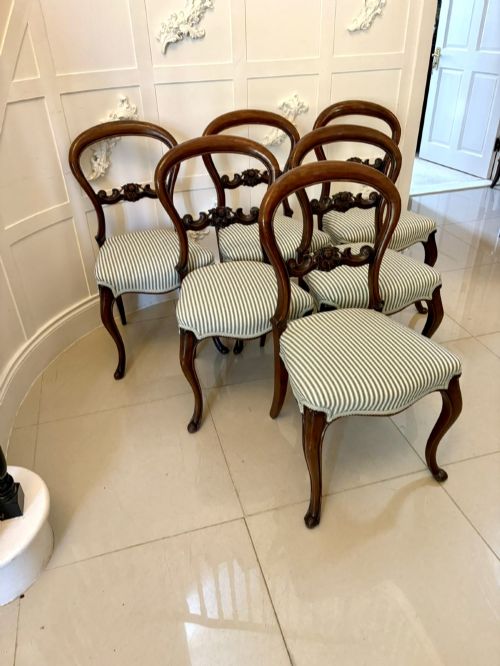
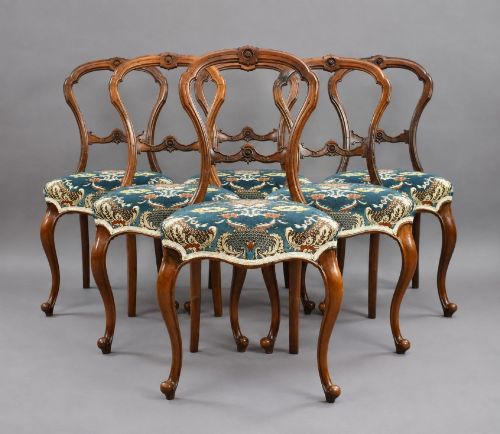
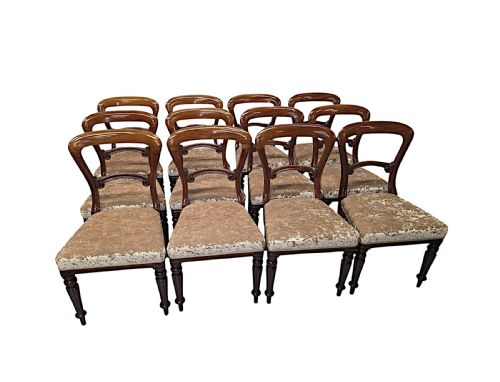
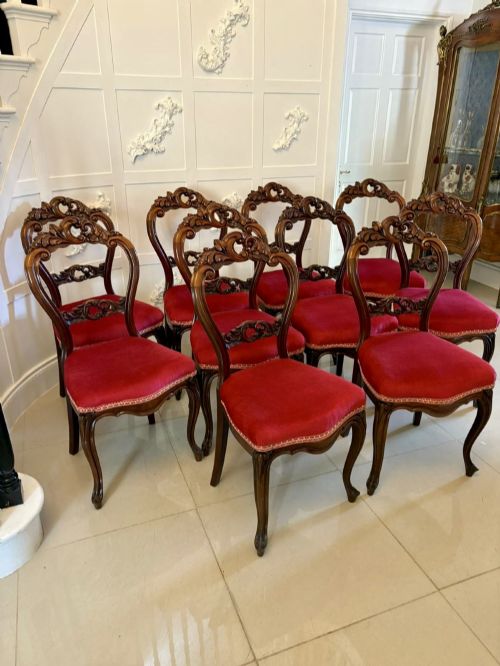
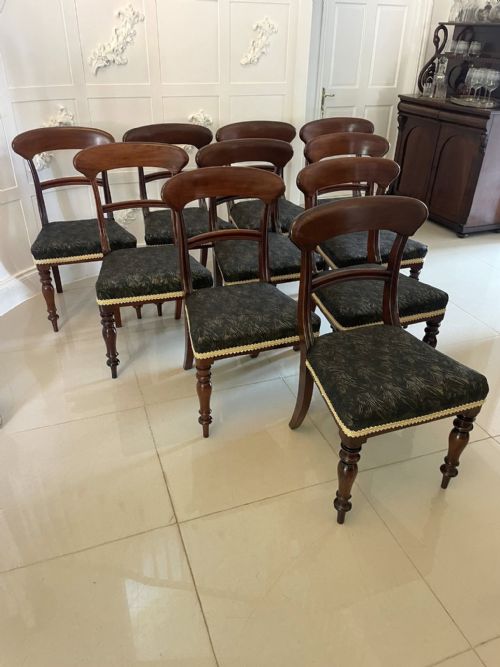
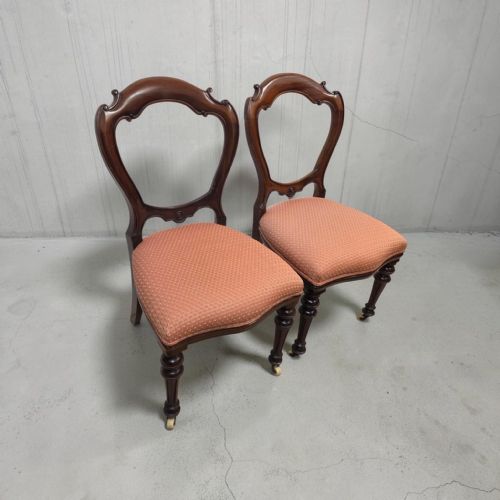
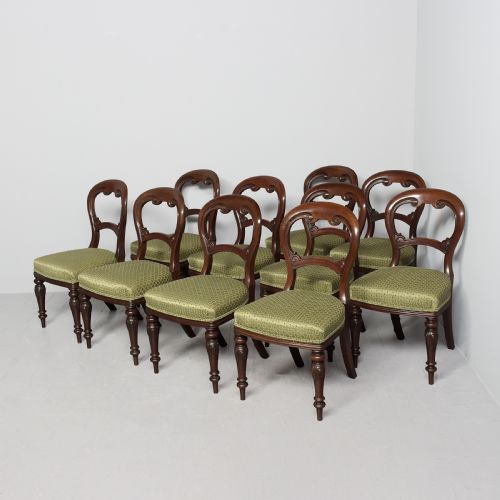
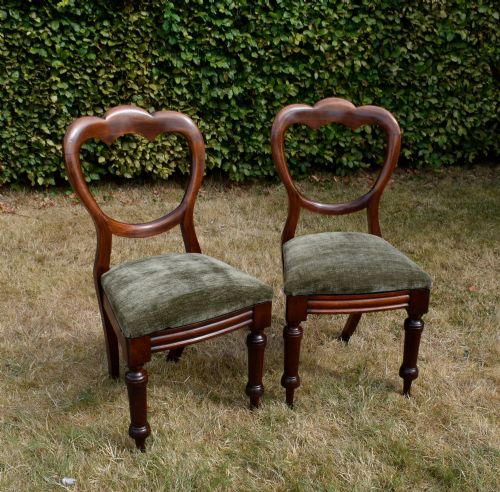
Victorian mahogany balloon backs are quintessential nineteenth-century seating pieces defined by their curved, oval-shaped backrests, sought after for bringing classical elegance to modern dining rooms.
Victorian Mahogany Balloon Backs
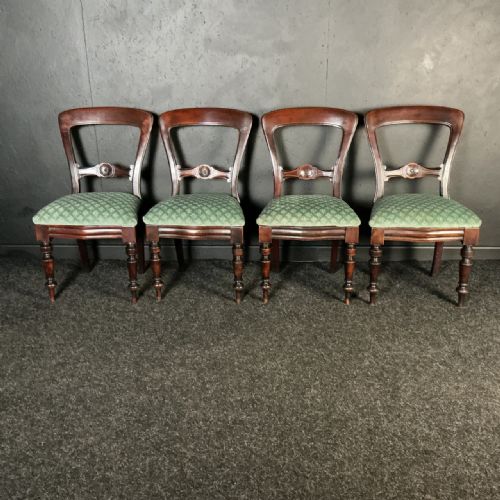
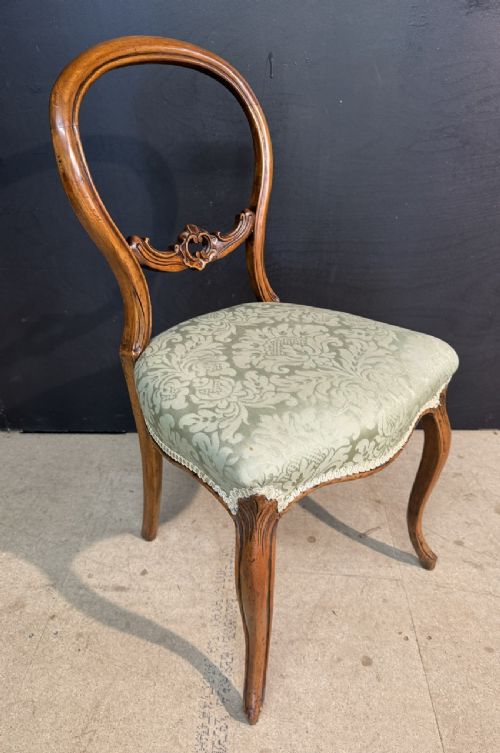
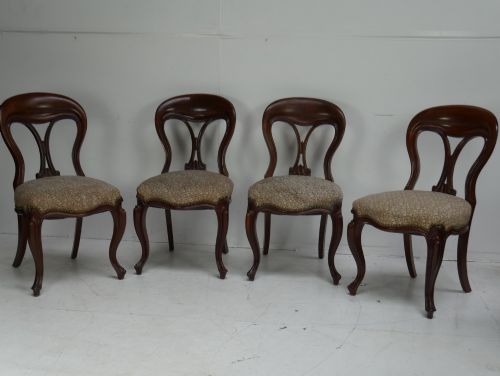
When searching for victorian mahogany balloon backs, buyers encounter formal seating created during the nineteenth century, most frequently appearing as matched sets of dining chairs. These pieces typically feature the characteristic rounded, open backrest that echoes the silhouette of a hot-air balloon, supported by turned or cabriole legs.
The selection extends beyond standard single chairs to include occasional armchairs, bedroom chairs, and occasionally larger sets designed for formal dining tables. Originating primarily from the Victorian period with occasional influences reaching back to the William IV era, these forms reflect the domestic priorities of nineteenth-century households.
Most examples found on this page consist of matched sets ranging from pairs to ten or twelve pieces, alongside smaller groupings suited for intimate spaces. The timber framework predominantly employs rich mahogany, occasionally complemented by walnut or rosewood within broader dining furniture collections.
What varies in quality
The distinction between standard workshop production and top-tier cabinetmaking lies in the crispness of carved details upon the crest rail and the selection of figured mahogany timber. Superior sets exhibit deep, hand-carved motifs and harmonious grain patterns across every chair in the group.
Structural integrity through the slender curves of the balloon back and the stability of the joints determine longevity, as poorly executed repairs or weakened glue lines diminish the piece. Original finish patination and the uniformity of matching sets heavily influence the desirability of the seating.
Listings feature Victorian, William IV, and Regency periods, utilising mahogany, walnut, and rosewood timbers.
Gillows
The Victorian Mahogany Balloon Backs Glossary
- Balloon back
- A chair back shaped like a rounded oval or hot-air balloon, formed by a continuous curved wooden frame. This profile defines the quintessential Victorian dining chair aesthetic.
- Mahogany
- A durable, reddish-brown tropical hardwood prized by nineteenth-century cabinetmakers for its stability and rich grain. It accepts fine carving and polished finishes exceptionally well.
- Cabriole leg
- A furniture leg that curves outward at the knee and inward at the ankle, mimicking animal limbs. It frequently appears on mid-nineteenth-century seating.
- Upholstery
- The padded and covered components of a chair seat, utilising materials such as velvet, leather, or textile fabrics over internal sprung or webbing foundations.
Victorian Mahogany Balloon Backs: Frequently Asked Questions
How do I care for mahogany balloon back chairs?
Maintain the wood by applying quality beeswax polish periodically and avoiding direct sunlight to prevent the timber from drying out. Keep upholstered pads clean using appropriate fabric care methods suited to velvet or textile coverings.
Ensure chairs sit level on uneven floors to prevent undue stress on the slender curved joints of the balloon frames. Routine gentle dusting preserves the historic finish patination.
Were these chairs used only for dining?
While primarily manufactured as sets for formal dining rooms, smaller groupings and individual pieces served various domestic functions throughout the nineteenth century. Variations included bedroom chairs, desk seating, and gentleman's armchairs.
Their decorative yet functional design allowed them to transition easily from dining tables to drawing rooms or studies as occasional seating.
How can I tell the exact period of a set?
Examine the construction methods beneath the seat, looking for hand-cut screws, traditional joinery, and the type of secondary woods used in the frame. The presence of early upholstery foundations like horsehair stuffing also points toward mid-nineteenth-century production.
Stylistic cues such as the transition from William IV heaviness to lighter Victorian rococo revival curves help narrow down the decade of manufacture.
Can I mix different sets of balloon back chairs?
Combining different sets requires careful attention to seat height, wood tone, and the exact proportions of the balloon frames around a dining table. Subtle variations in mahogany colour can be harmonized by consistent polishing over time.
Matching armchairs with side chairs from similar decades creates a balanced arrangement while accommodating diverse seating preferences.