


Victorian Low Mahogany Cabinet
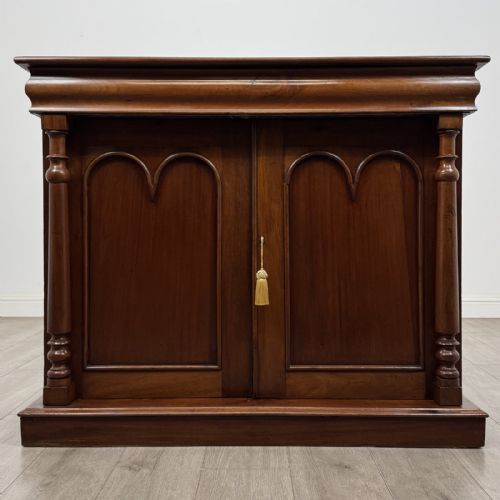
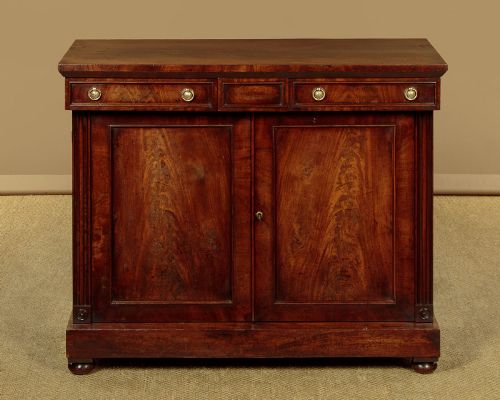
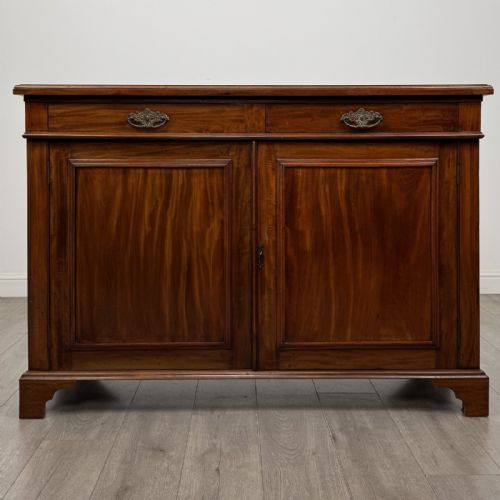
A victorian low mahogany cabinet offers solid timber construction and practical display space, making it a versatile choice for modern interiors.
Victorian Low Mahogany Cabinet
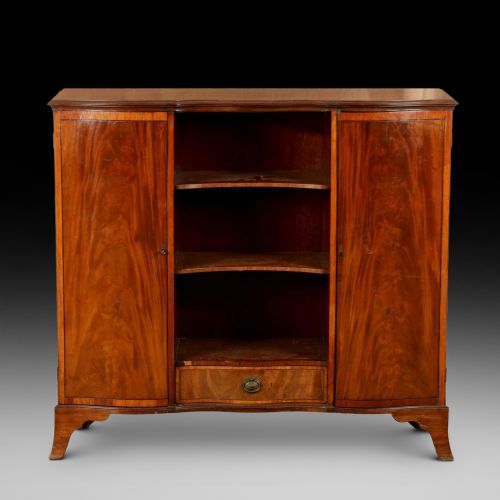
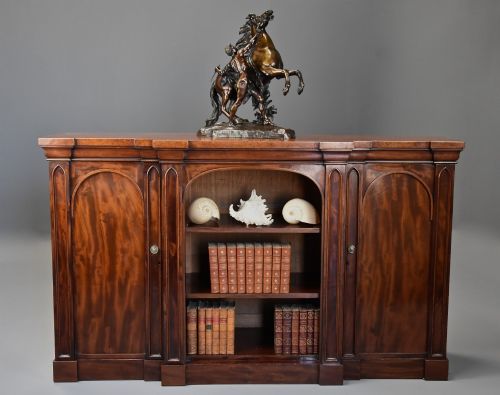
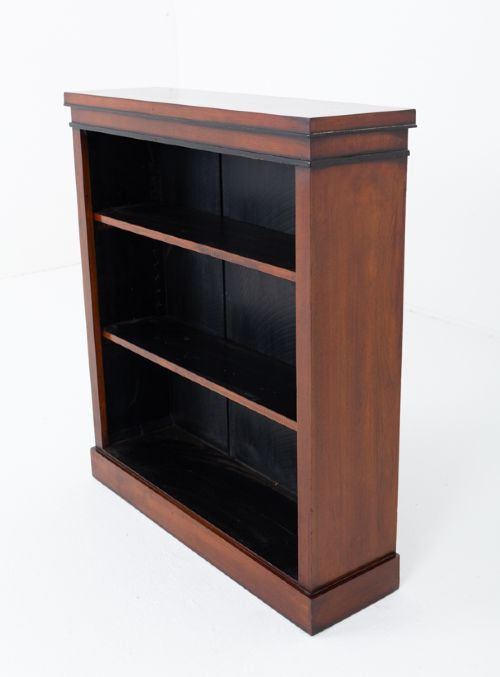
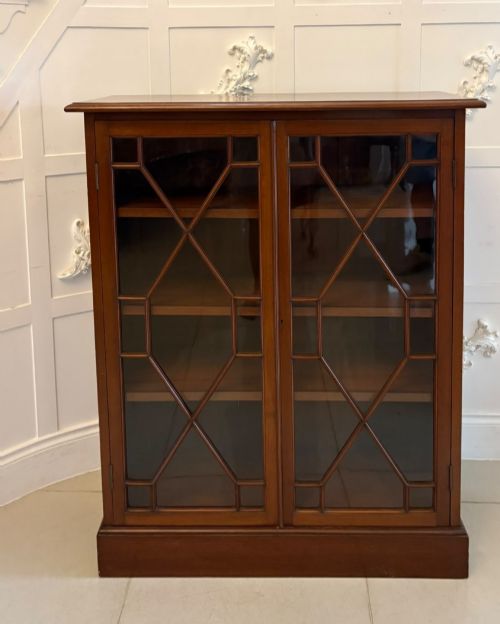
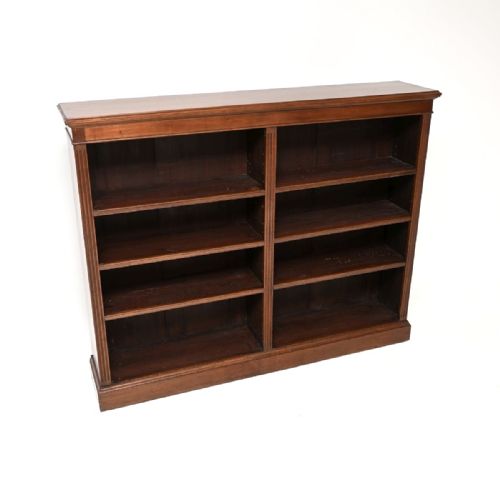
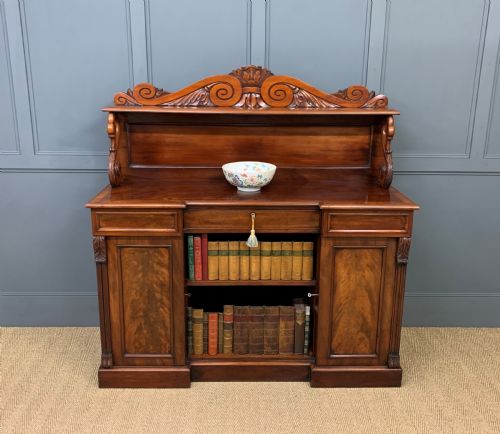
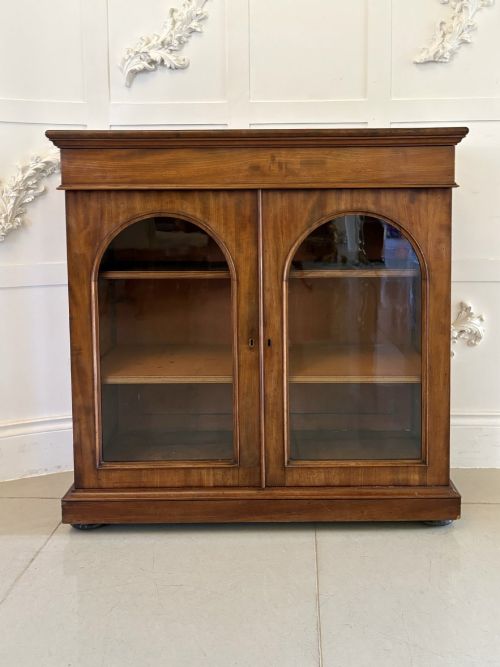
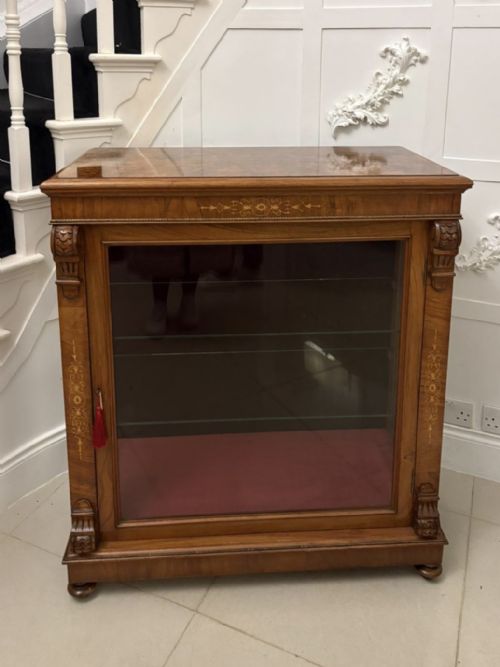
When seeking a victorian low mahogany cabinet, buyers encounter a variety of forms designed for storage and display across domestic spaces. These pieces span open bookcases, glazed display units, side cabinets, and chiffoniers originating from the nineteenth century.
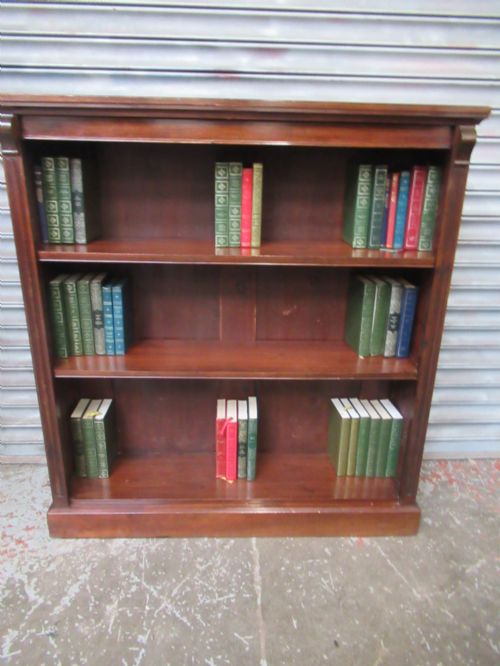
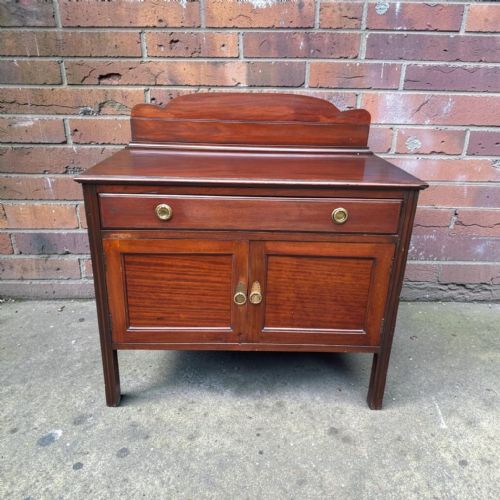
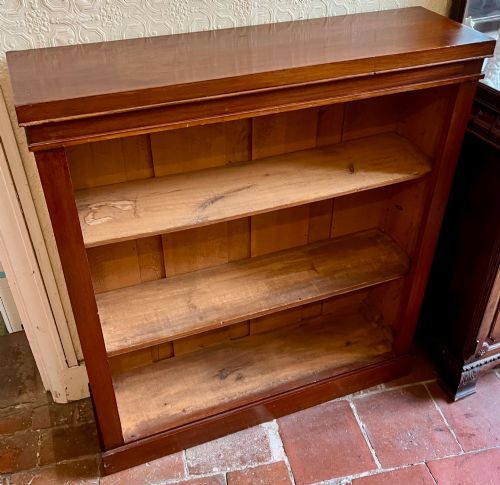
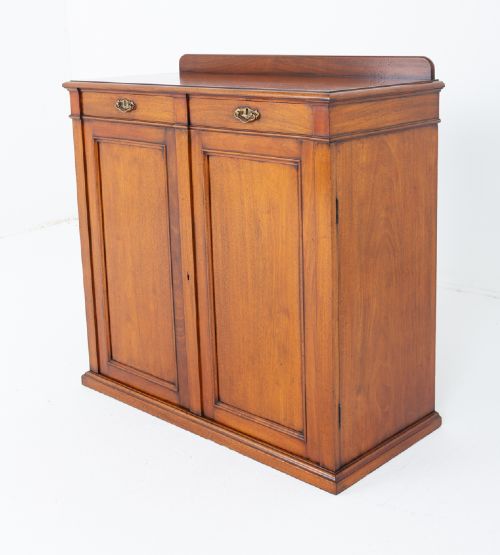
The most common formats on this page include open bookcases and two-door side cabinets featuring timber shelves and enclosed cupboards. Workshops produced these items during the Victorian period and the wider nineteenth century to serve libraries, parlours, and sitting rooms.
Cabinet makers also utilised specific variations such as breakfront bookcases, waterfall shelving, and mirrored backs within the broader category. Each form reflects the domestic requirements of the era, balancing book storage with the display of decorative objects.
How they were made
Craftsmen built these cabinets primarily using solid mahogany and flame mahogany veneer applied over secondary woods such as pine. Workshops selected timber figures carefully to create decorative grain patterns across doors and panels.
Construction techniques incorporated brass for hardware, castors, and key escutcheons, alongside ormolu mounts on select examples. Glazed doors utilised timber framing to house glass panes safely for the display of books and porcelain.
Victorian Low Mahogany Cabinet Retail Price Guide 2026
Typical asking prices for victorian low mahogany cabinet among the pieces listed under this phrase on Sellingantiques today, from the lower quarter to the upper quarter. They describe what is for sale here now, not the wider market.
Secret drawers tucked quietly into these cabinets remind us that Victorian carpenters enjoyed hiding things just as much as we do.
What varies in quality
The standard of a cabinet depends on the selection of timber veneers and the precision of the joinery used in its construction. Superior examples exhibit finely figured flame mahogany and well-executed details like bracket feet, raised galleries, or inlaid borders.
Cabinet quality also shows in the integration of functional elements such as secret drawers, working locks with original keys, and solid brass castors. Pieces displaying harmonious proportions and restrained stylistic influences from Gothic Revival or French Empire styles generally represent the higher tier of production.
The Victorian Low Mahogany Cabinet Glossary
- Flame mahogany
- A wood veneer cut from branches where the grain twists to create a distinctive flickering flame pattern. Cabinet makers reserved this highly decorative surface for prominent areas like door panels.
- Chiffonier
- A low sideboard or cabinet equipped with drawers and enclosed lower cupboards. This form evolved during the nineteenth century to store tableware and linens in dining rooms.
- Breakfront
- A piece of furniture where the central section projects forward from the flanking wings. This architectural arrangement creates depth and visual interest in large bookcases and sideboards.
- Ormolu
- Gilded bronze applied as decorative mounts to furniture frames and doors. Makers utilised these metallic ornaments on high-status nineteenth-century pieces influenced by French design.
- Waterfall bookcase
- A set of open shelves that decrease in depth from bottom to top, creating a stepped profile resembling a cascade of water. This style gained popularity during the nineteenth century for compact displays.
Victorian Low Mahogany Cabinet: Frequently Asked Questions
Where were these cabinets placed in a Victorian home?
Households positioned these low cabinets in libraries, sitting rooms, and parlours to store books and display ornaments. Their height allowed the tops to hold lamps, clocks, or decorative ceramics.
Lower side cabinets and chiffoniers often served dining rooms for storing tableware and linens. Open bookcases kept frequently read volumes within easy reach of seated guests.
How do I distinguish an open bookcase from a glazed cabinet?
Open bookcases feature unhindered shelving without doors, designed for quick access to books. They often include adjustable timber shelves supported by wooden ratchets or brass pins.
Glazed cabinets incorporate glass-fronted doors fitted with wooden frames to protect fragile or valuable volumes from dust. These enclosed units frequently lock and serve a dual purpose for display.
What is the difference between a chiffonier and a side cabinet?
A chiffonier typically combines a low enclosed cupboard base with a drawer above, often featuring a raised shelf or backboard. It functioned primarily as a serving piece or general storage unit in reception rooms.
Standard side cabinets focus on cupboard storage enclosed by two or more timber doors without the raised upper superstructure. Their interiors frequently contain fixed or adjustable wooden shelving.
How do I care for mahogany furniture at home?
Keep mahogany furniture away from direct sunlight and heat sources to prevent the timber and veneer from drying out or fading. Maintain a stable room temperature to protect the joints and polish surfaces occasionally with traditional beeswax.
Avoid placing damp items directly onto unsealed wood and lift cabinets rather than dragging them when rearranging a room. Regular dusting with a soft, dry cloth preserves the natural lustre of the polished finish.