
Victorian Low Cabinet
A Victorian low cabinet brings grounded presence and rich timber grain to a room, offering practical surface space and enclosed storage.
Victorian Low Cabinet
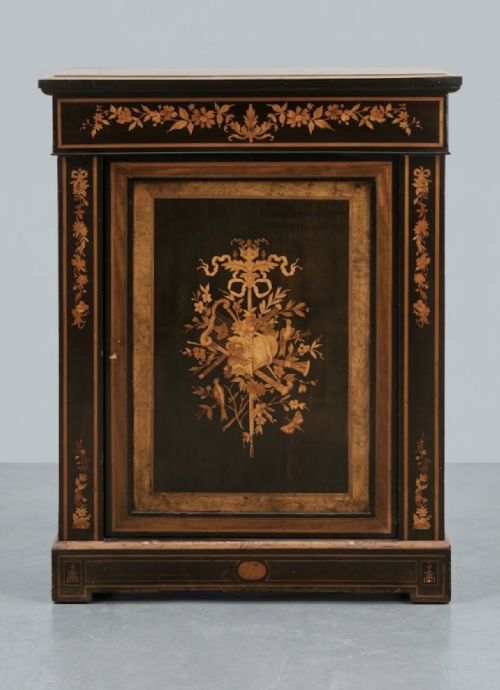
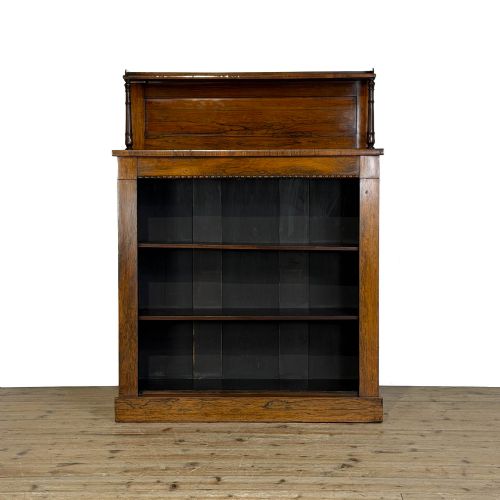
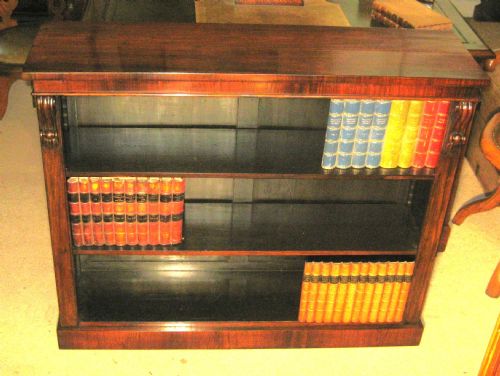
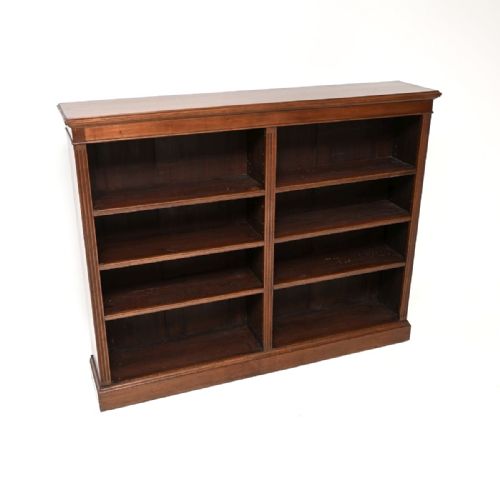
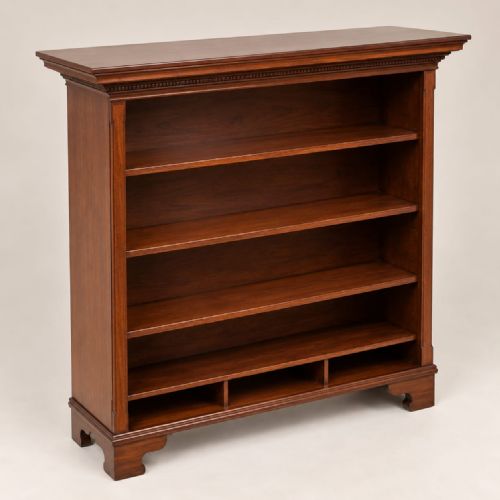
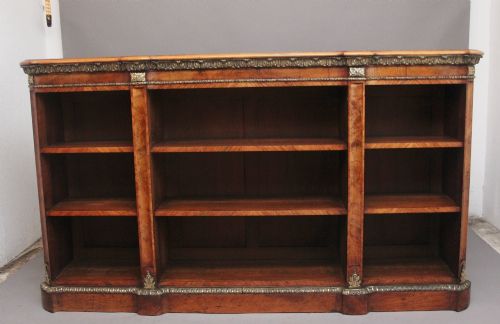
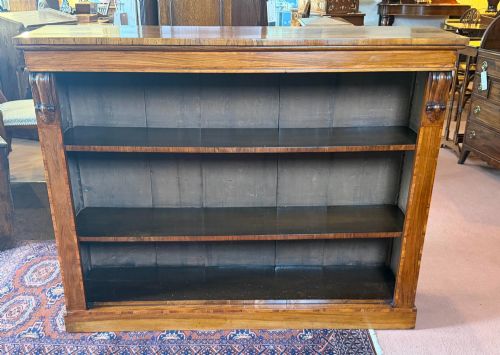
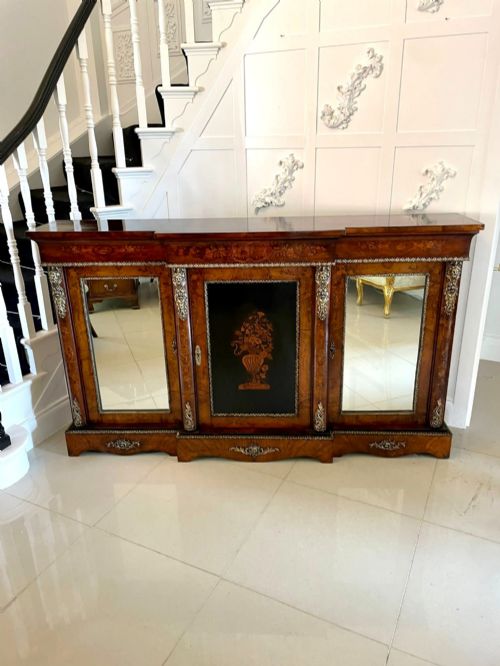
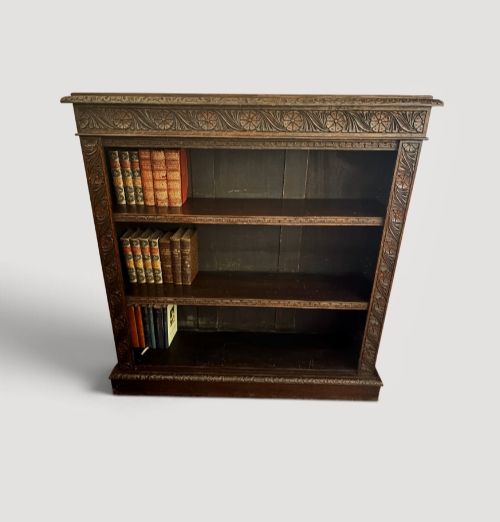
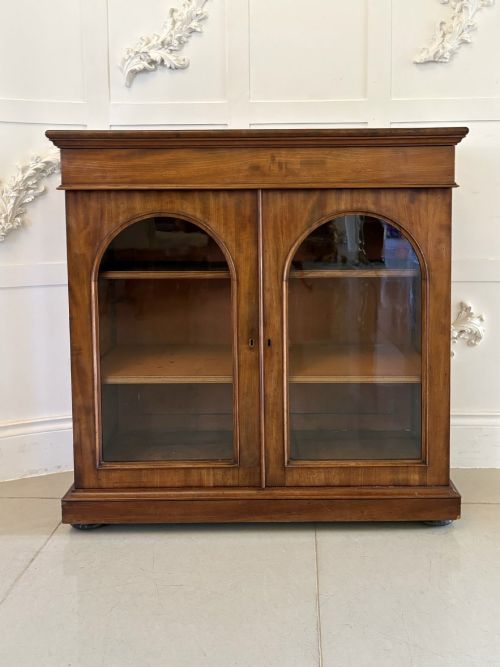
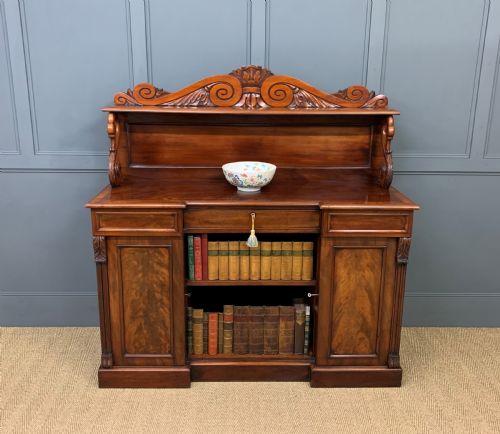
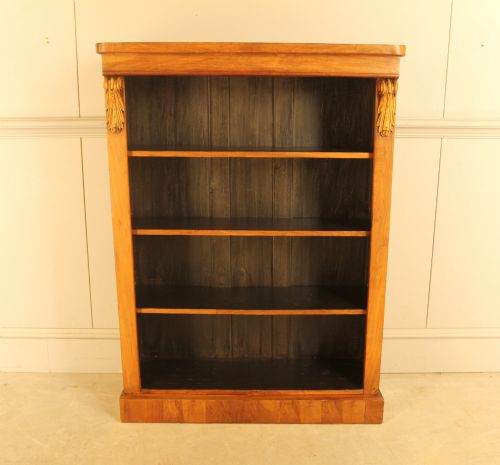
When you search for a victorian low cabinet, you encounter compact pieces designed to sit beneath dado height or window sills while providing useful shelving or cupboard space. These items span open bookcases, side cabinets, pier cabinets, and bedside cupboards originating across the nineteenth century.
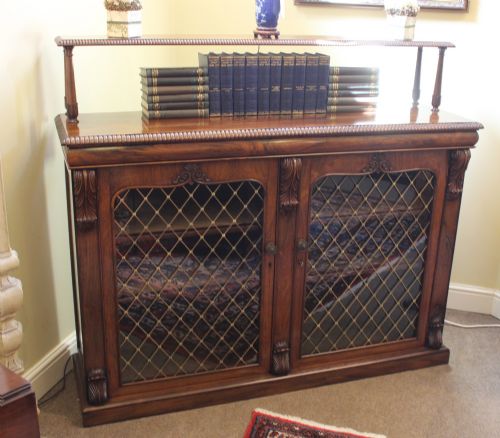
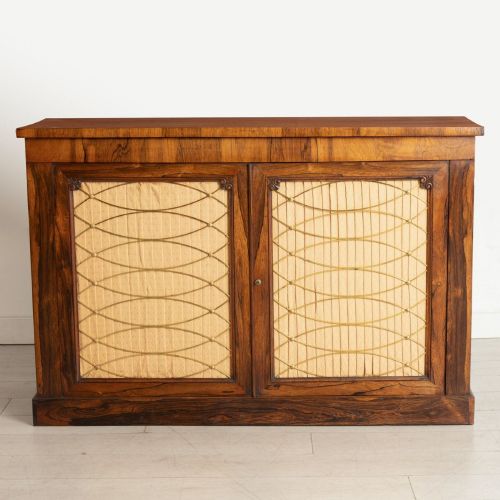
The versions most common on this page combine timber construction with varied configurations of glazed doors, open shelving, or marquetry panels. They reflect domestic interiors where utility met formal display, often utilising rich grain timbers such as walnut, mahogany, and rosewood.
How They Were Made
Cabinet makers relied primarily on solid timbers and fine veneers like burr walnut, flame mahogany, and rosewood, laid over stable secondary woods. These surfaces were frequently enhanced with marquetry inlay, brass mounts, or carved ornamentation.
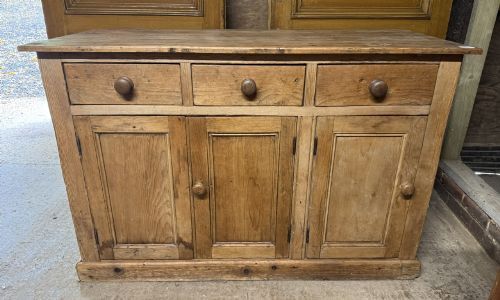
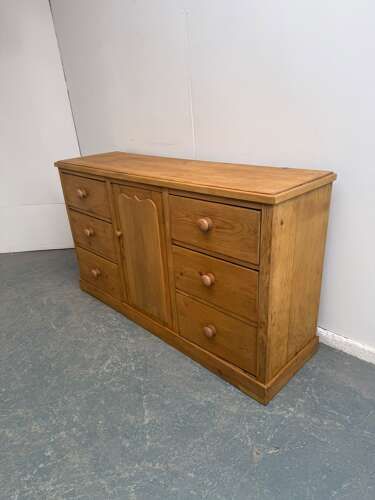
Glazing bars, adjustable shelving tracks, and brass or ormolu detailing required precise joinery techniques. Pine and oak saw frequent use in utilitarian cupboards and dresser bases, finished with wax or original paint.
The listings on this page span walnut, mahogany, rosewood, oak, and pine across the Victorian period, alongside Gothic Revival and Edwardian examples.
What Varies in Quality
Quality rests in the selection of veneer figures and the crispness of carved or inlaid details rather than sheer scale. Finer examples display carefully matched burr walnut or flame mahogany grains across wide surfaces without distortion.
Construction integrity shows in the drawer linings, the snug fit of glazed or panelled doors, and the retention of original brass hardware or ormolu mounts. Simpler pine pieces depend on honest surface preservation and clean structural lines.
Johnstone and Jeanes·Waterlow and Sons·Gillows·Gillow and Co
The Victorian Low Cabinet Glossary
- Ormolu
- Gilded bronze mounts applied to furniture for decorative effect. This technique was frequently utilised on high-end Victorian walnut cabinets.
- Marquetry
- Elaborate patterns formed from fitted veneer pieces applied to a carcase. It creates intricate pictorial or geometric designs on cabinet doors.
- Chiffonier
- A low sideboard or cabinet equipped with enclosed shelves below and often a small shelf above. It became a staple piece of nineteenth-century sitting rooms.
- Pier Cabinet
- A narrow display cabinet designed to fit wall spaces between windows. They often feature glazed doors and velvet-lined interiors for porcelain.
- Burr Walnut
- Timber taken from walnut tree growths, producing swirling, highly figured grain patterns. It was favoured by cabinet makers for luxurious surface finishes.
Victorian Low Cabinet: Frequently Asked Questions
Where should I place a low cabinet?
These compact pieces suit entrance halls, living rooms, or bedrooms where taller furniture would overwhelm the space. Their reduced height allows them to sit comfortably beneath windows or display artwork above.
They offer surface area for lamps and decorative objects while concealing books, stationery, or tableware inside their cupboards and shelves.
How do I care for polished wood?
Maintain timber surfaces by applying quality beeswax occasionally and buffing with a soft cloth. Avoid placing wooden cabinets in direct sunlight or near heat sources to prevent veneer lifting.
Keep humidity levels stable in the room to protect nineteenth-century joins and prevent the wood from drying out.
Can I adjust the internal shelves?
Many nineteenth-century bookcases and cabinets feature adjustable shelving supported on rack-and-pinion systems or wooden fillets. This allows you to reconfigure the interior for varied book heights or display items.
Check the listing details to confirm whether shelves are fixed or adjustable before planning your storage.