


Victorian Locker
A victorian locker is a sturdy bedside cabinet or small chest of drawers designed to keep night-time essentials close at hand.
Victorian Locker
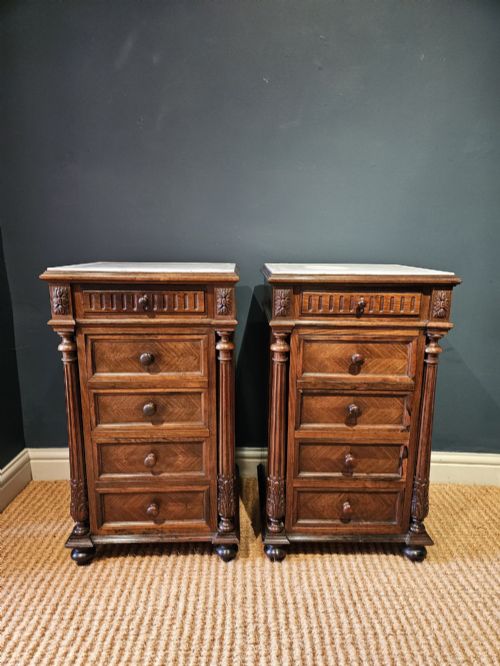
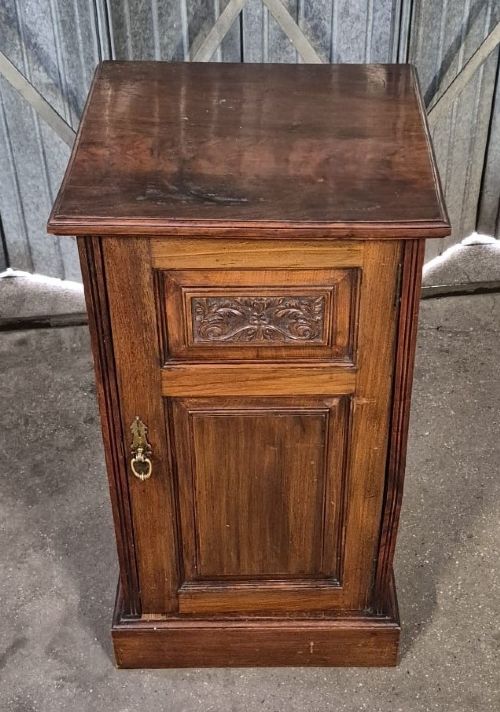
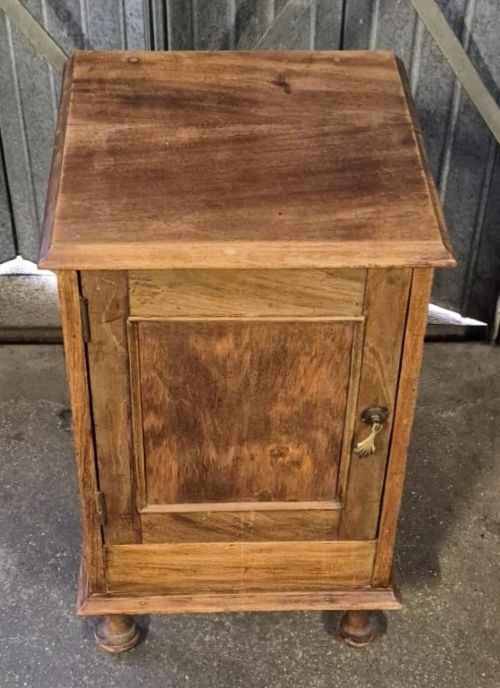
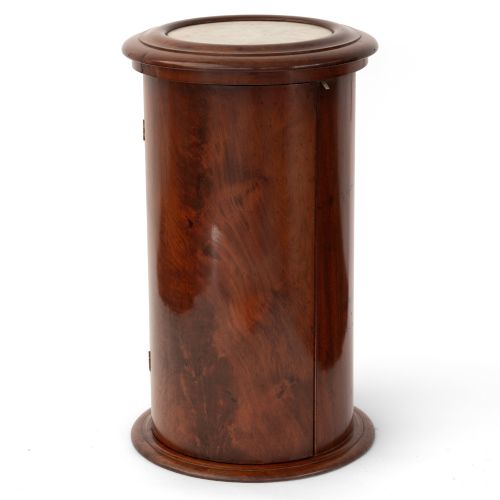
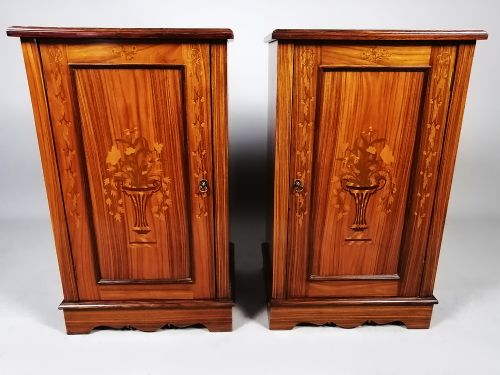
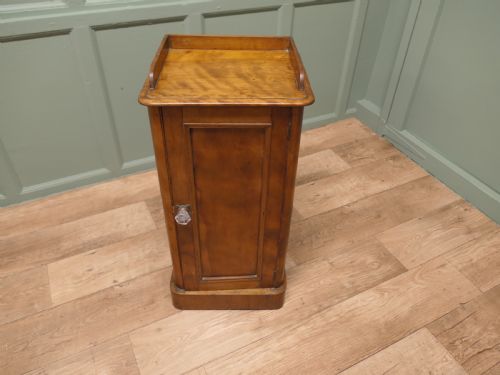
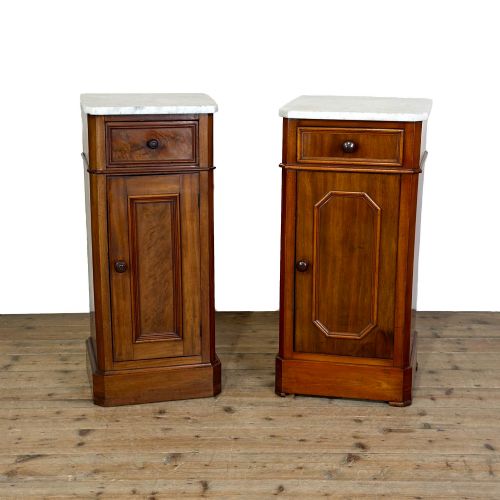
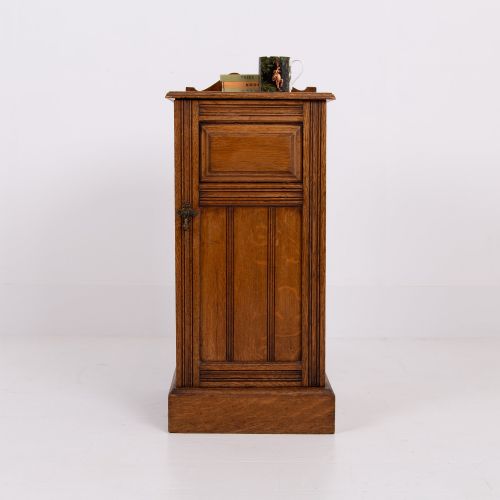
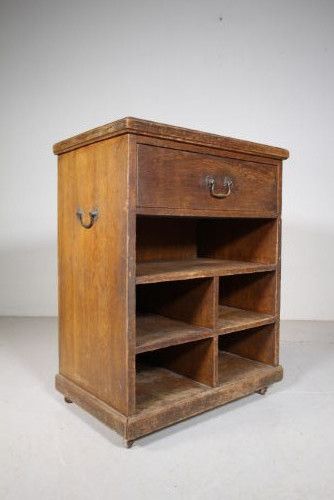
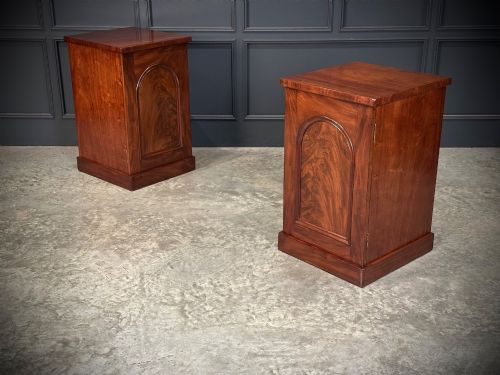
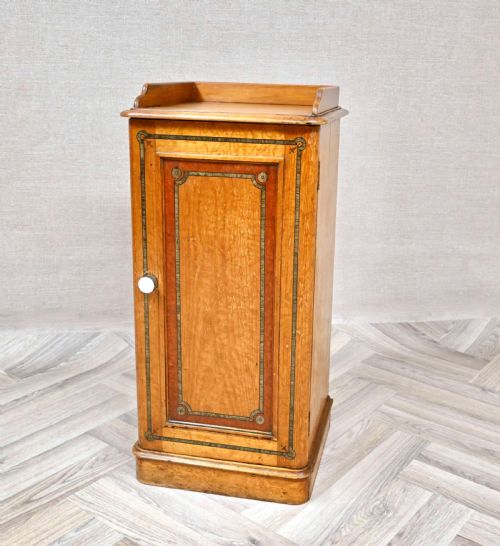
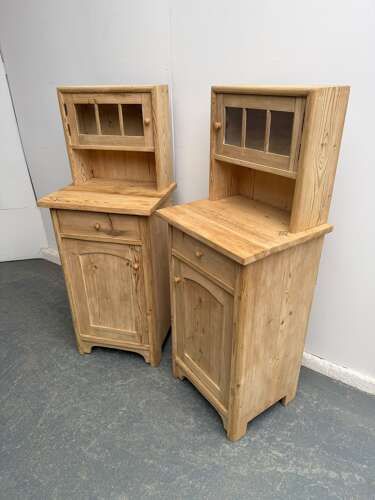
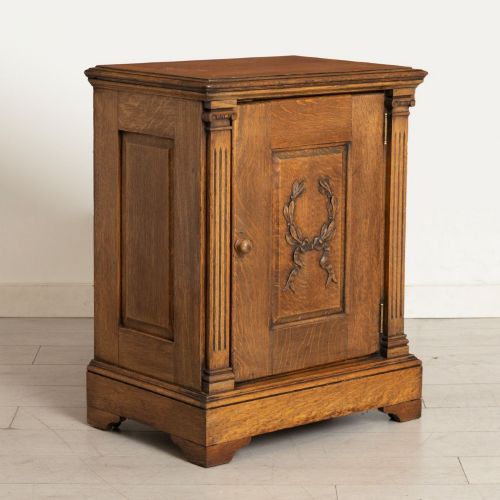
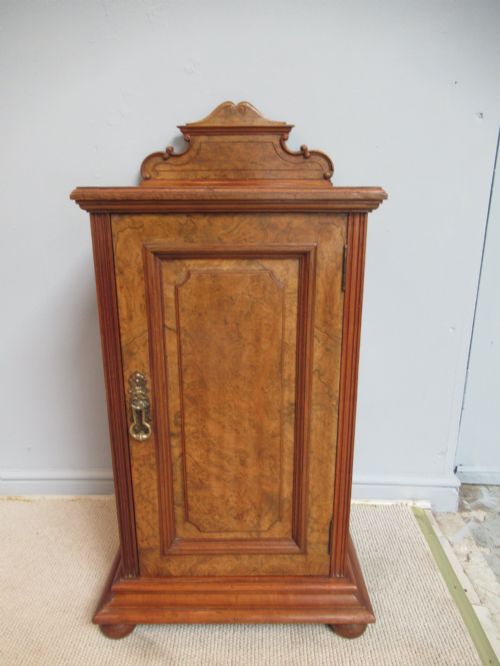
When you search for a victorian locker, you encounter bedside cabinets, pot cupboards, and compact chests of drawers dating from the nineteenth century. These utilitarian pieces served bedrooms across British homes, functioning as enclosed storage for chamber pots or personal items.
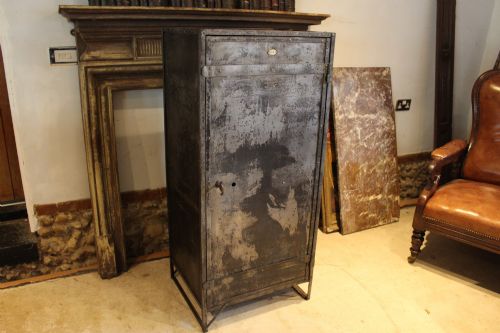
The selections on this page span the Victorian period, including late Victorian examples alongside Gothic Revival and industrial forms. Many appear as matched pairs, fashioned in mahogany, walnut, oak, and pine to suit the domestic interior of the era.
Materials and Construction
Cabinet makers built these pieces using solid timbers like oak and mahogany, often applying decorative veneers of burr walnut or flame mahogany to the exterior surfaces. Brass handles, drop fronts, and occasional marble tops provide functional detail to the sturdy carcases.
Joinery methods of the period relied on solid wood construction, dovetailed drawer boxes, and panelled doors. Sturdiness remained a primary requirement, whether the piece was a simple pine bedside cupboard or a brass-bound military-style locker.
Victorian Locker Retail Price Guide 2026
Typical asking prices for victorian locker among the pieces listed under this phrase on Sellingantiques today, from the lower quarter to the upper quarter. They describe what is for sale here now, not the wider market.
Listings show timber choices spanning mahogany, oak, walnut, burr walnut, glass, pine, and marble.
Assessing Quality
The distinction between standard utility items and finer pieces lies in the selection of timber and the restraint of the ornamentation. Matched pairs with figured burr walnut veneers or detailed carving demonstrate a higher grade of cabinet making than plain pine versions.
Proportion and execution of detail dictate the character of each piece. Crisp mouldings, sound internal drawer construction, and well-chosen secondary hardwoods separate standard workshop production from exceptional examples.
Heals·Holland & Sons·Simpson Halifax
The Victorian Locker Glossary
- Pot cupboard
- A small bedside cabinet originally built to enclose a chamber pot behind a single door. These pieces often feature an internal shelf or ventilation aperture.
- Burr walnut
- A highly figured wood grain obtained from the wart-like growths on walnut trees. Cabinet makers prized it for its swirling patterns on drawer fronts and top surfaces.
- Campaign style
- Furniture constructed in sections with brass corners and recessed handles for ease of transport. This robust military aesthetic appears on several nineteenth century lockers.
- Gothic Revival
- A nineteenth century architectural and decorative style incorporating pointed arches and medieval motifs. It influenced the carved panels and structural lines of certain bedside cupboards.
- Flame mahogany
- A veneer cut from the fork of the mahogany tree where the grain pattern resembles flickering flames. It creates a dramatic visual effect on cabinet doors.
Victorian Locker: Frequently Asked Questions
What is a victorian locker?
A victorian locker is a nineteenth century bedside cabinet, pot cupboard, or small chest of drawers.
These pieces were made to stand beside a bed and store personal belongings or a chamber pot.
Are they sold as pairs?
Many nineteenth century bedside cabinets and lockers survive as matched pairs rather than single items.
Pairs are particularly common among mahogany and burr walnut chests produced during the later nineteenth century.
What woods were used?
Cabinet makers utilised timbers such as mahogany, oak, walnut, pine, and exotic hardwoods.
More decorative examples featured veneers of burr walnut or flame mahogany on the primary surfaces.
How do I identify the style?
Styles range from plain Victorian pine and mahogany to Gothic Revival pieces with carved panels and industrial metal variants.
Details like brass handles, drop fronts, and military-style brass binding help distinguish the specific design influences.