



Victorian Lion Figurine
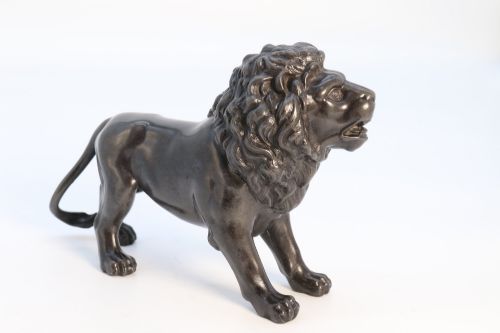
A victorian lion figurine brings nineteenth-century power and presence into a room through earthenware, bronze, pewter, and silver.
Victorian Lion Figurine
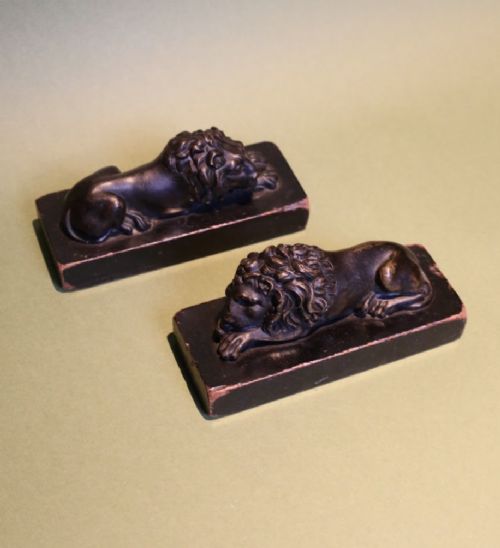
A victorian lion figurine encompasses a range of nineteenth-century decorative objects, from Staffordshire pottery spill vases and glazed earthenware pairs to metal studies and miniature silver pin cushions. These pieces draw on neoclassical sculpture traditions and domestic decorative arts, capturing the beast in recumbent, standing, or heraldic poses.
The most common examples encountered on this page are Staffordshire pottery pairs, often modelled after the Medici lions with treacle glaze or copper lustre finishes. Alongside these earthenware pairs appear spill vases designed for hearthside use, small bronze castings, and occasional figurative scenes involving human figures.
How they were made
Metal versions rely on different techniques, utilising bronze casting for classical statuary or pewter and sterling silver for smaller desk and vanity accessories like pin cushions. These metals allow for sharp musculature and textural definition that differs from the softer contours of glazed pottery.
Victorian Lion Figurine Retail Price Guide 2026
Typical asking prices for victorian lion figurine among the pieces listed under this phrase on Sellingantiques today, from the lower quarter to the upper quarter. They describe what is for sale here now, not the wider market.
Victorian shelf decorators paired fierce classical lions with unexpected companions, including unicorns and young men feeding beasts.
What varies in quality
Quality rests primarily in the crispness of the modelling and the control of the glaze, separating finely sculpted forms with clear facial expressions from softer, blurred casts or uneven pottery runs. Superior Staffordshire examples display careful underglaze or overglaze painting that avoids bleeding and retains definition.
The weight and finish of the material also dictate the standing of a piece, with deep, glossy treacle glazes or cleanly chased bronze surfaces holding more visual presence than flat or muddy finishes. Proportion and anatomical balance distinguish ambitious sculptural studies from simpler mass-produced mantel ornaments.
Rockingham Pottery·Lancaster and Sons of Hanley
The Victorian Lion Figurine Glossary
- Staffordshire pottery
- Earthenware produced in the industrial potteries of Staffordshire, known for chimney ornaments, figures, and spill vases. These utilitarian yet decorative items populated nineteenth-century domestic mantelpieces.
- Spill vase
- A hollow figurine incorporating a small holder designed to contain wooden spill matches for lighting fires and candles. They sit upright beside hearths and mantel furnishings.
- Treacle glaze
- A dark, translucent brown lead glaze that pools richly in the recesses of earthenware ceramics. It creates a lustrous, molasses-like surface common on nineteenth-century animal figures.
- Copper lustre
- A metallic glaze technique imparting a reflective, coppery sheen to the ceramic body. This finish catches the light and adds brightness to Victorian decorative objects.
- Medici lions
- Replicas of the famous marble pair of lions guarding the Villa Medici in Rome, widely copied in bronze and pottery. They feature one paw resting upon a sphere.
Victorian Lion Figurine: Frequently Asked Questions
What is a lion spill vase?
A lion spill vase combines a decorative earthenware animal figure with an attached vertical cylinder used to hold wooden fire lighters. These dual-purpose objects stood on Victorian mantelpieces where hearth fires required frequent tending.
Potters moulded the figures in pairs, often facing each other with one side featuring the hollow spill holder behind the lion's back.
How are silver lion pin cushions used?
Miniature silver lion pin cushions served as functional desk or dressing table accessories during the Victorian period. Tailors, seamlasses, and household members stuck pins into the fabric-upholstered cushion fitted into the silver body.
These small metal pieces showcase detailed chasing of the lion's mane and form, functioning as portable decorative items rather than mantel ornaments.
What are Canova lions?
Canova lions refer to sculptural reproductions based on the monumental tomb lions designed by the neoclassical sculptor Antonio Canova. These classical figures often appear in bronze pairs with solemn, recumbent postures.
They reflect the nineteenth-century taste for Grand Tour souvenirs and classical revival sculpture within domestic interiors.
How do I identify treacle glaze?
Treacle glaze appears as a thick, dark brown, glossy coating that resembles dark molasses poured over earthenware ceramics. It pools heavily in crevices and brings out the moulded texture of Staffordshire animal figures.
This glaze was widely used on nineteenth-century pottery to give cheap earthenware a rich, lustrous appearance.