
Victorian Link Bracelet
A victorian link bracelet brings together the sturdy weight of nineteenth-century metalwork and the intimate charm of period clasps.
Victorian Link Bracelet
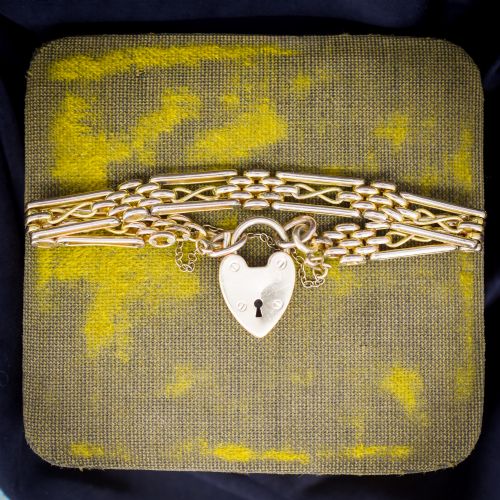
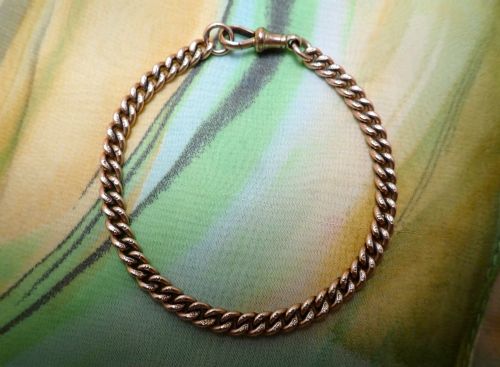
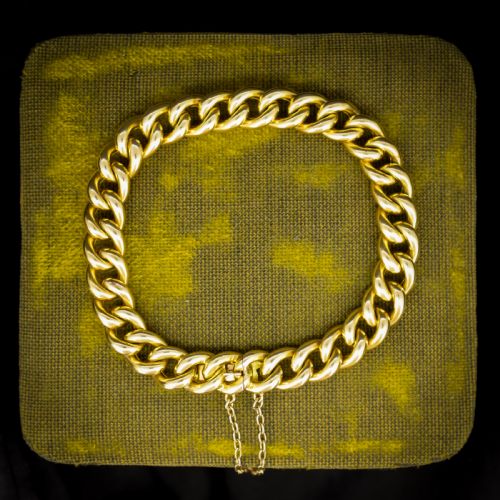
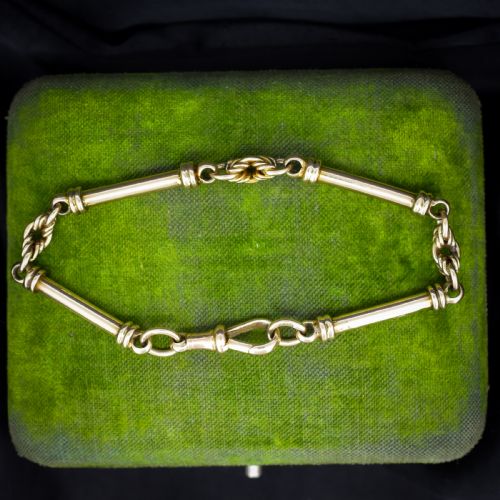
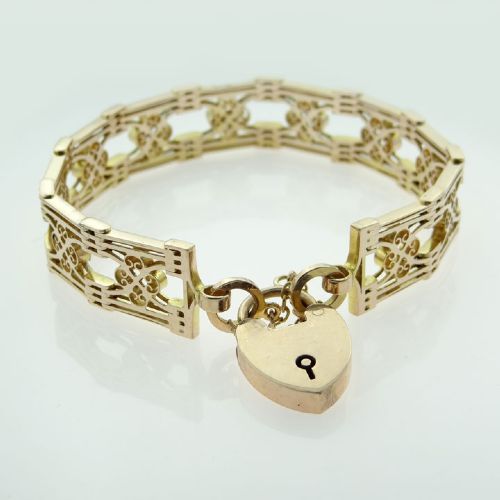
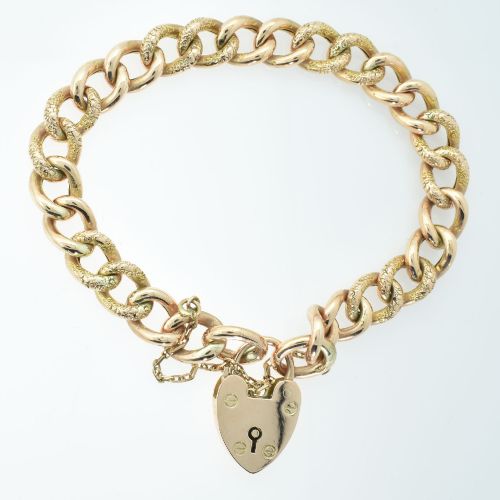
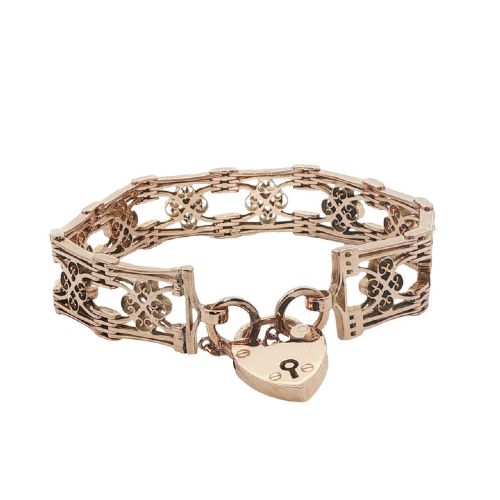
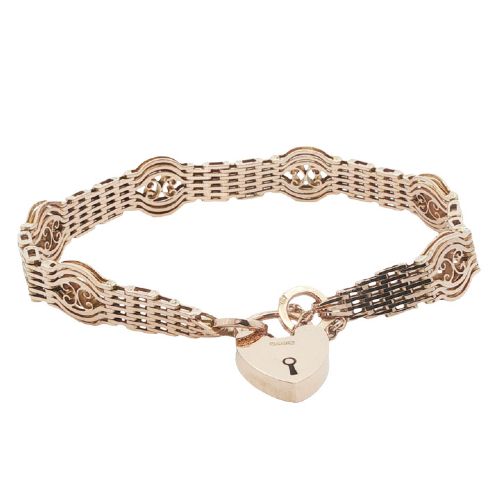
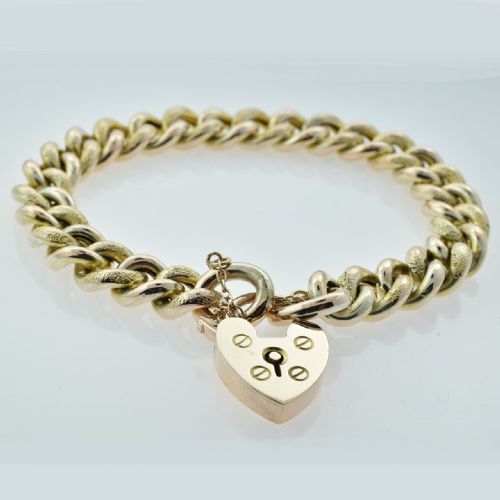
A victorian link bracelet encompasses robust curb chains, flexible gate links, and elaborate fancy link constructions designed to sit securely on the wrist. Most examples encountered in collections date from the nineteenth century through the early twentieth century, spanning standard Victorian periods into the Edwardian era.
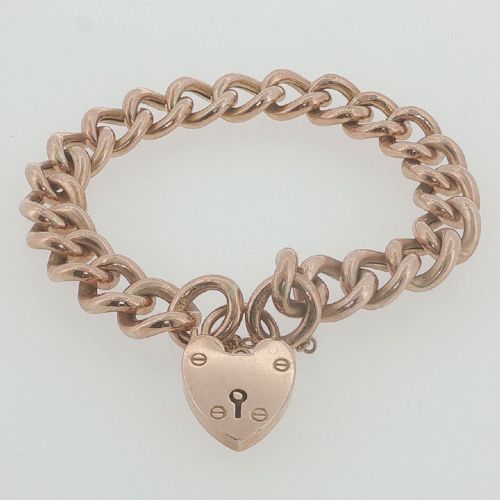
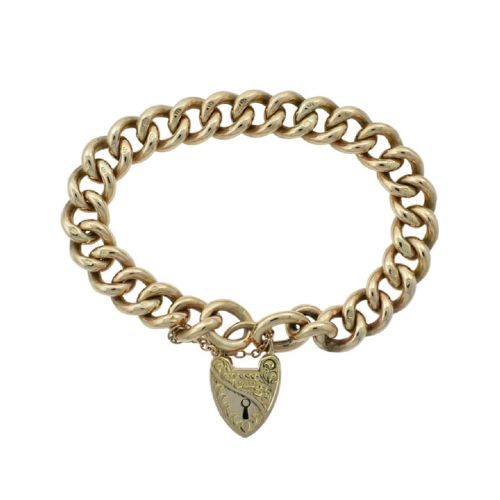
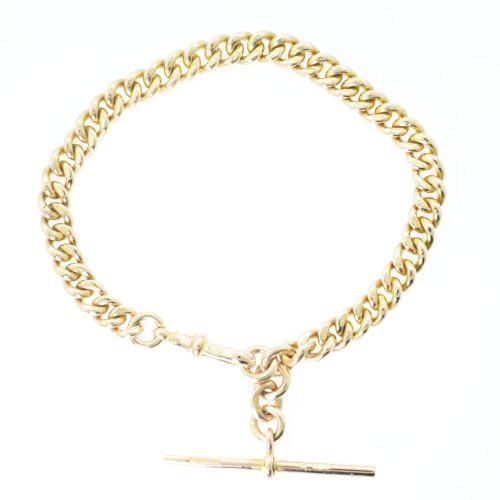
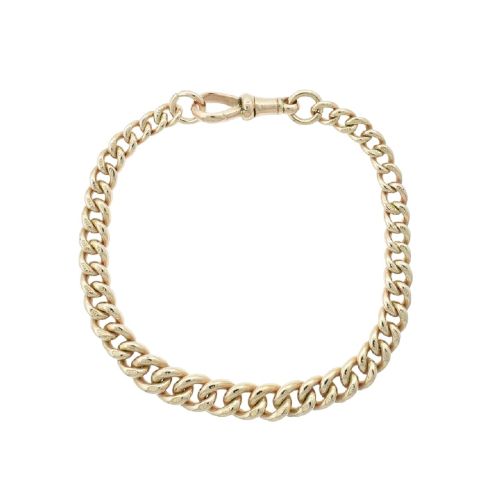
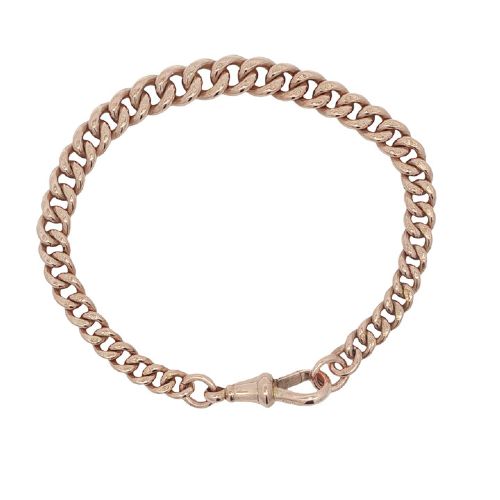
Makers utilised various formats, including pieces adapted from watch chains equipped with T-bars and dog clips, alongside dedicated adornments secured by heart padlocks. These items frequently incorporate decorative motifs such as love knots, stars, and engraved surfaces.
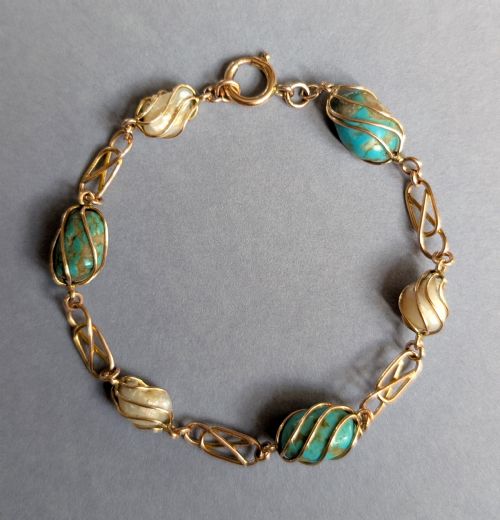
Many variants integrate gemstone settings or pearl clusters into the central links, transforming utilitarian chain formats into high-status jewellery sets and presentation pieces.
What varies in quality
Substantial gram weight and thickness of the individual links distinguish heavier presentation pieces from lighter daily wear. Substantial twenty- or thirty-gram gold items demonstrate superior durability and metal density.
The precision of hand engraving and the integrity of specialised clasps, such as functioning heart padlocks and dog clips with strong springs, dictate the grade of the work. Original components matching the period of the chain preserve the integrity of the piece.
The Victorian Link Bracelet Glossary
- Curb link
- A type of chain composed of interlocking, slightly flattened links that lie flat against the wrist. This format provides a heavy, fluid drape suited to daily wear.
- Gate link
- A series of parallel bars connected by small central links, resembling a small gate. This structured design was popular during the Victorian period.
- Dog clip
- A spring-loaded swivel fastening commonly found on watch chains and bracelets. It allows the wearer to attach a pendant, T-bar, or secure the bracelet directly.
- Heart padlock
- A heart-shaped clasp fitted with a functional spring mechanism used to secure Victorian bracelets. These padlocks frequently display hand engraving or gemstone settings.
- T-bar
- A transverse bar attached to a short length of chain, originally designed to slip through a waistcoat buttonhole. On bracelets, it hangs as a decorative drop.
Victorian Link Bracelet: Frequently Asked Questions
How do I wear a antique bracelet safely?
Most of these pieces include secure fastenings such as heart padlocks, dog clips, or concealed clasps designed for reliable daily wear. Utilising an additional safety chain provides extra security when wearing heavier gold links.
Store the bracelet flat in a dedicated jewellery box to prevent links from twisting or tangling. Avoid wearing them during strenuous physical activities to protect delicate gemstone settings and pearls.
What metals were used in these pieces?
Goldsmiths of the period predominantly utilised nine-carat, fifteen-carat, and eighteen-carat gold in both yellow and rose hues. Silver, rolled gold, and niello work also appear across various fancy link styles.
Higher carat golds offer a richer warmth and heavier weight, while silver and rolled gold provide alternative tones. Hallmarks and metal tests help confirm the specific composition of each chain.
How can I tell the period of a bracelet?
Dating relies on stylistic clues, fastener types, and metal carats specific to the nineteenth and early twentieth centuries. Mid-century examples often feature higher carat gold like fifteen-carat, while later pieces frequently employ nine-carat gold.
Clasps such as heavy dog clips, heart padlocks, and T-bars help narrow down the manufacturing decade. Accompanying boxes and engraved dates on the reverse of links offer further chronological evidence.
Were these originally watch chains?
Many examples began as pocket watch chains or Albert chains before being adapted or worn directly as wrist adornments. The presence of a T-bar or a swivel dog clip often indicates this dual purpose.
These converted chains share the same robust construction and heavy link weight as dedicated bracelets. They remain highly collectable for their versatility and historical utility.