



Victorian Lighting Salvage
Victorian lighting salvage brings authentic street furniture, architectural glass and period metalwork into modern interiors and gardens.
Victorian Lighting Salvage
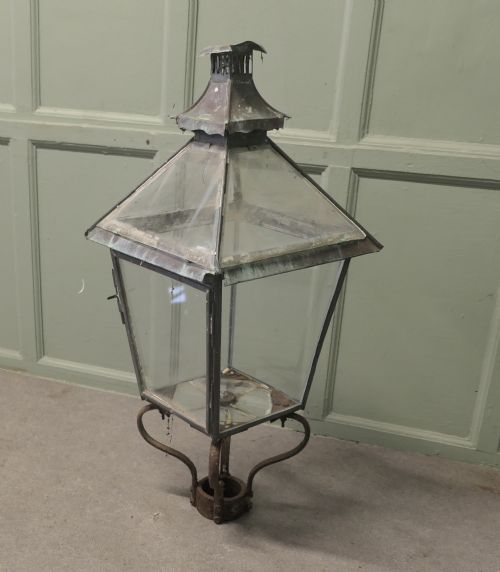
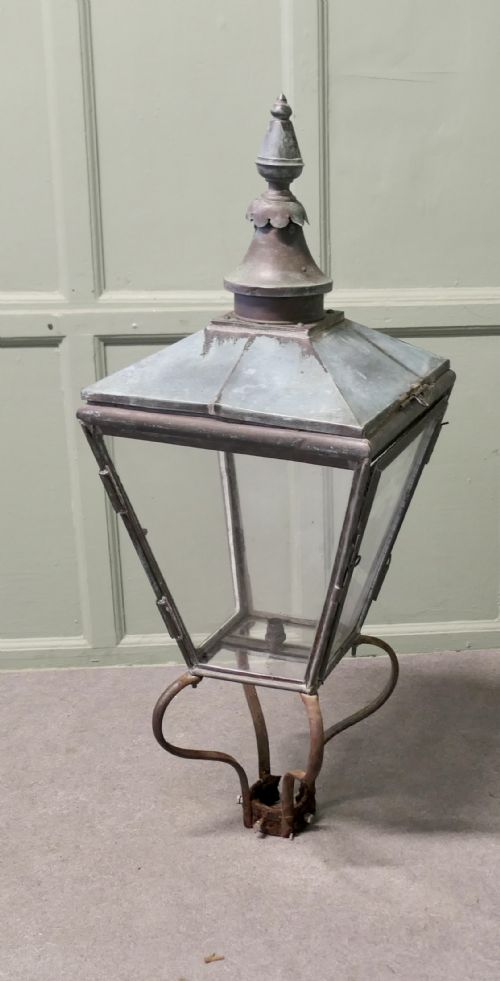
Victorian lighting salvage encompasses heavy outdoor fittings, structural glass and architectural ornamentation designed to illuminate streets, gates and grand rooms. When exploring Victorian lighting salvage, buyers encounter substantial lanterns, lamp posts and decorative ceiling roses originating from the nineteenth century and adjacent eras.
The objects span practical street furniture and decorative architectural elements. Street lamps, gate post lights and hanging lanterns form the backbone of the selection, accompanied by detailed ceiling roses in cast iron and brass.
Materials and construction
Metal components rely on traditional foundry techniques, using cast iron, copper, lead and wrought iron to build robust frames. Lanterns and lamp posts combine beaten copper sheets with structural iron, ensuring durability against weather and heavy use.
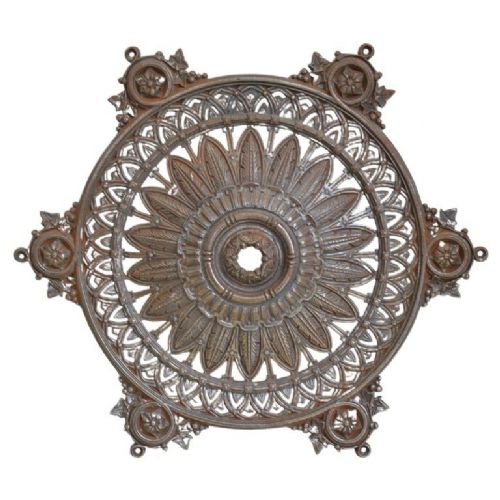
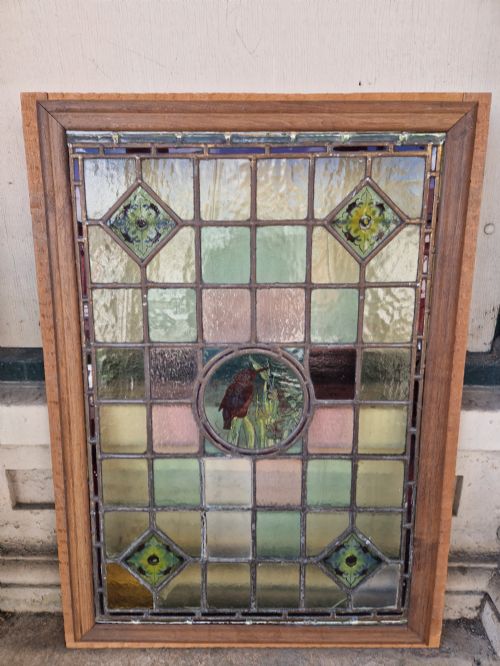
Glass elements utilise leaded cames to hold panels together, often incorporating hand-painted details depicting landscapes, birds and botanical scenes. Ceiling roses showcase intricate casting work in iron and brass, featuring leaf and feather motifs.
Frame construction often involves riveted or soldered joints designed for permanent outdoor installation on streets, church buildings and domestic properties.
Victorian Lighting Salvage Retail Price Guide 2026
Typical asking prices for victorian lighting salvage among the pieces listed under this phrase on Sellingantiques today, from the lower quarter to the upper quarter. They describe what is for sale here now, not the wider market.
Several windows preserve hand-painted countryside scenes, complete with tiny painted birds frozen mid-flight over nineteenth-century lakes.
Quality variations
The distinction between tiers rests upon the complexity of the hand-painted glass panels and the fineness of the metal casting. Simpler geometric leaded windows sit below pictorial panels depicting detailed countryside scenes and wildlife.
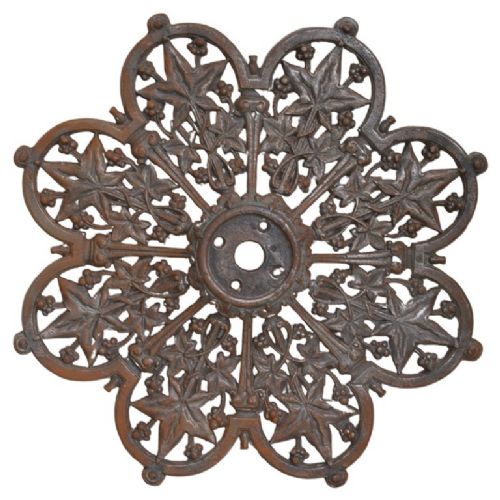
Cast iron and brass ceiling roses vary according to the crispness of their relief decoration, such as ivy leaf and feather designs. Substantial copper lanterns with intact original glazing demonstrate greater integrity than heavily altered or reconstructed examples.
The scale and architectural presence of lamp posts and large street lights also dictate distinction, with substantial matched pairs commanding more attention than single, utility-grade fixtures.
A Foster & Pullen Bradford·Revo Tipton
The Victorian Lighting Salvage Glossary
- Came
- A slender grooved strip of lead used to hold together pieces of stained or leaded glass in a window. These pliable strips form the geometric or pictorial matrix of the panel.
- Ceiling Rose
- A decorative circular moulding fixed to the ceiling from which a light fitting is suspended. Victorian examples frequently utilise cast iron or brass with botanical motifs.
- Gothic Revival
- An architectural and decorative style drawing inspiration from medieval design. Pieces in this category often feature pointed arches and ecclesiastical motifs.
- Stained Glass
- Glass coloured by the addition of metallic oxides during its manufacture, or painted and fired onto the surface. In salvage pieces, this frequently depicts pastoral scenes and flora.
- Swan Neck
- A curved bracket arm used on lamp posts to project a street lantern away from the vertical post. This engineering form directed light outwards over thoroughfares.
Victorian Lighting Salvage: Frequently Asked Questions
What is Victorian lighting salvage?
Victorian lighting salvage comprises original street lamps, lanterns, lamp posts, ceiling roses and stained glass windows recovered from period buildings and thoroughfares. These items date primarily from the nineteenth century and early twentieth century.
Buyers acquire these pieces to integrate authentic historical metalwork and architectural glass into modern restoration projects, gardens and interior spaces.
How were street lanterns used?
Original street lanterns and gas lamps provided public and private illumination mounted on walls, gate posts or dedicated iron lamp posts. They were built to withstand harsh outdoor conditions using heavy copper and cast iron.
In contemporary settings, many of these large lanterns are adapted for modern electrical wiring to illuminate driveways, porches and large interior spaces.
How do I identify a ceiling rose?
Ceiling roses are circular architectural mouldings attached to ceilings, often featuring cast iron or brass construction with decorative motifs like ivy leaves and feathers. They served to decorate the plasterwork surrounding gas or electric light suspensions.
Period examples display crisp casting detail and heavy metal weight compared to lightweight modern reproductions made from plastic or plaster.
Can stained glass windows be hung indoors?
Leaded glass panels and windows are frequently hung inside rooms as decorative art pieces or installed within interior partitions to capture natural light. The strong lead cames support the glass panel within a protective frame.
Many surviving panels feature hand-painted countryside scenes, birds or floral motifs that benefit from backlighting when placed in front of a window.