

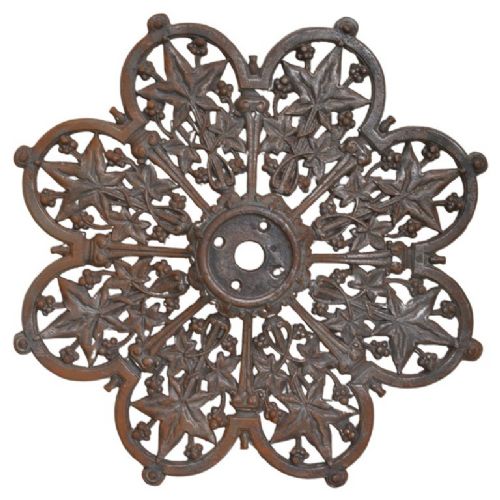


Victorian Leaf Plates
These victorian leaf plates are decorative items shaped from porcelain and silver, offering a decorative botanical touch for the home.
Victorian Leaf Plates
When you search for victorian leaf plates, you encounter items designed for display or service, drawing on nineteenth-century forms.
The pieces appearing on this page stem from the nineteenth century, including specific years like 1850, 1860, 1880, 1900, and 1910.
Makers such as Royal Doulton, Minton, Royal Crown Derby, Coalport, and Derby contribute porcelain cabinet plates and dishes to this category.
How they were made
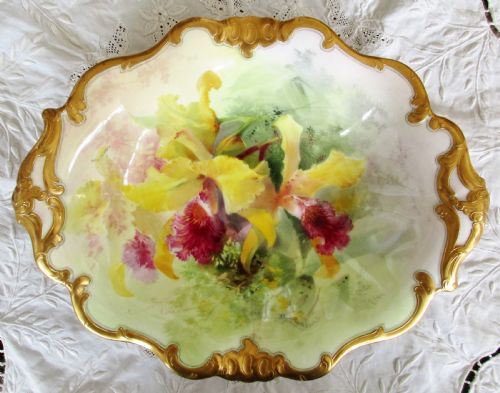
Artisans utilised porcelain and silver plate, shaping cabinet plates and dishes through hand painting and basketweave moulding.
Workshops applied decorative techniques like pate sur pate to ceramic surfaces, whilst metal objects utilised silver plating over base metals.
Victorian Leaf Plates Retail Price Guide 2026
Typical asking prices for victorian leaf plates among the pieces listed under this phrase on Sellingantiques today, from the lower quarter to the upper quarter. They describe what is for sale here now, not the wider market.
Listings feature items from the 19th Century, Victorian period, Georgian era, and Edwardian period, constructed from porcelain and silver plate.
What varies in quality
The refinement of hand painting on porcelain surfaces distinguishes standard production wares from finely executed cabinet pieces.
Precision in moulding botanical details, such as basketweave textures and leaf contours, determines the overall execution of each dish.
Royal Doulton·Minton·Royal Crown Derby·Coalport·Derby·Smith & Sissons & Co·Copeland
The Victorian Leaf Plates Glossary
- Cabinet plate
- A decorative ceramic plate intended for display rather than dining use. These items frequently feature hand-painted botanical or floral scenes.
- Pate sur pate
- A ceramic decorating technique where successive layers of slip are applied to build up a raised relief design. This method requires considerable skill from the artisan.
- Silver plate
- A layer of silver applied to a base metal substrate. This technique provided the appearance of solid silver at a lower production cost.
- Basketweave
- A moulded surface texture mimicking woven wicker or rushes. Victorian ceramic factories utilised this pattern extensively for plates and dishes.
Victorian Leaf Plates: Frequently Asked Questions
What are victorian leaf plates?
These items are ceramic cabinet plates and dishes shaped during the nineteenth century, often featuring botanical motifs or moulded textures.
Potteries such as Minton and Royal Doulton produced these pieces for display within the home.
How were they used?
Cabinet plates served a decorative purpose in nineteenth-century interiors, displayed on walls, cabinets, or sideboards rather than used for food.
Similar dishes functioned as dessert plates or decorative table elements during formal dining occasions.
How do I display them?
These plates suit wall mounting using appropriate brass hangers or placement upright within display cabinets alongside porcelain and silver.
Ensure adequate support prevents slipping, particularly for heavier ceramic and cast pieces.
How do I identify the period?
Makers marks stamped or painted on the reverse of ceramic pieces help determine the manufacturer and active operational years.
Stylistic indicators such as hand-painted floral subjects and nineteenth-century forms align these objects with Victorian production methods.