


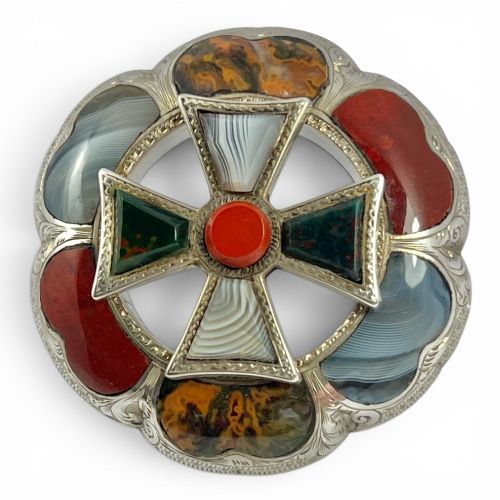


Victorian Lapel Brooch
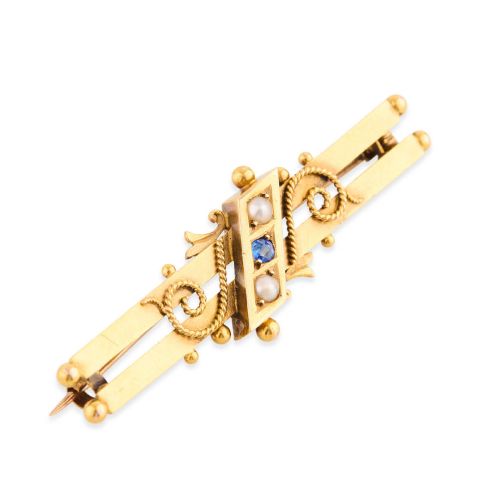
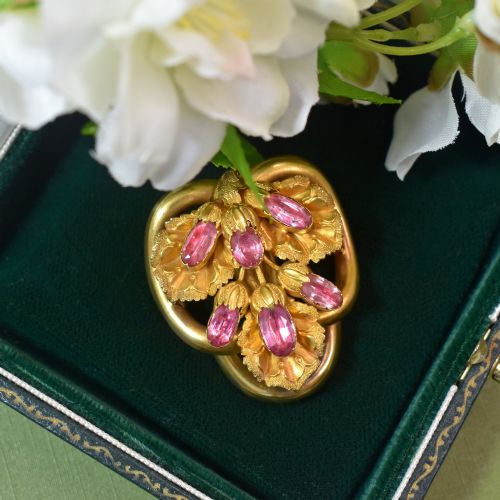
A victorian lapel brooch secures a lapel with period gold, gemstones, and intricate metalwork.
Victorian Lapel Brooch
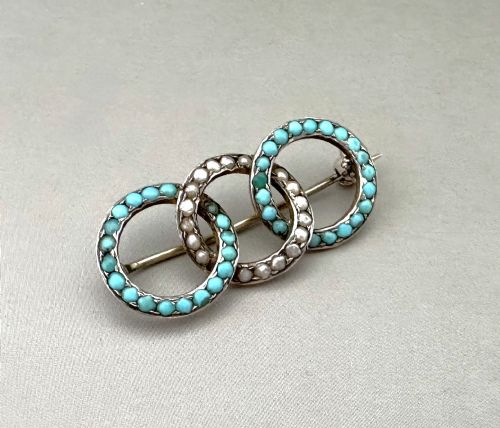
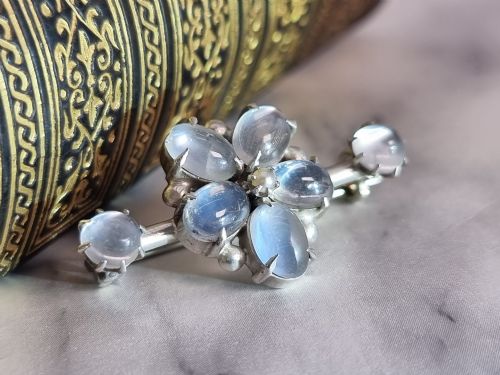
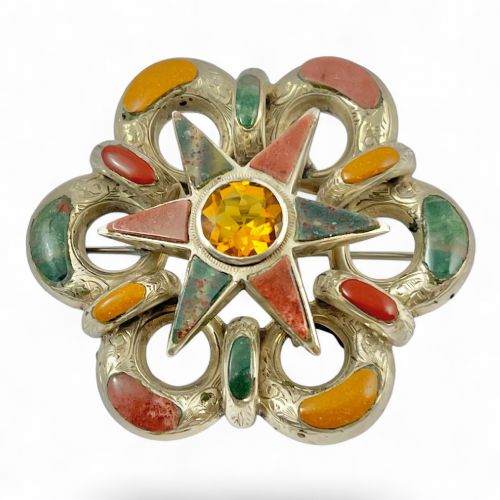
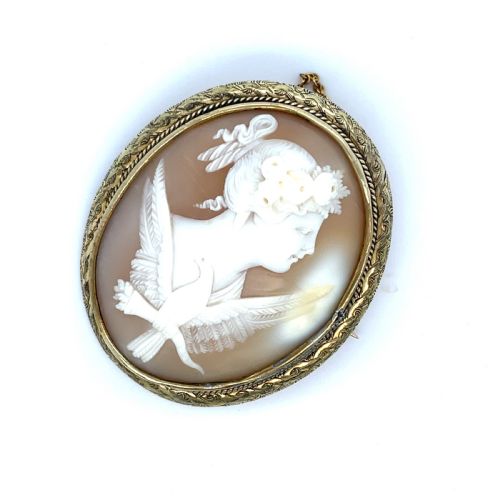
When searching for a victorian lapel brooch, buyers encounter various forms designed to fasten to garments, including bar brooches, jabot pins, and figural pins. These pieces originate primarily from the Victorian and Edwardian eras, spanning the nineteenth and early twentieth centuries.
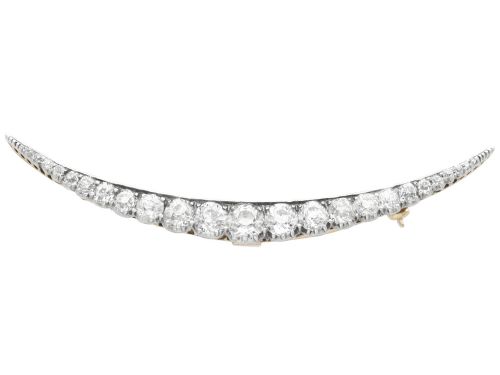
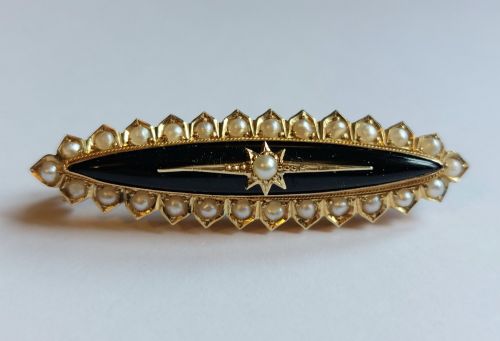
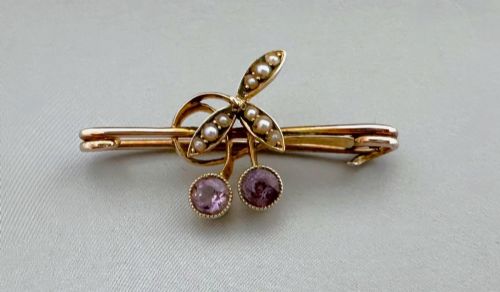
The most common versions met on this page are gold bar brooches set with gemstones or pearls, alongside silver pebble pieces and detailed floral or animal motifs. Makers utilised diverse styles ranging from strict Victorian geometry to flowing Art Nouveau lines and Arts and Crafts silverwork.
How They Were Made
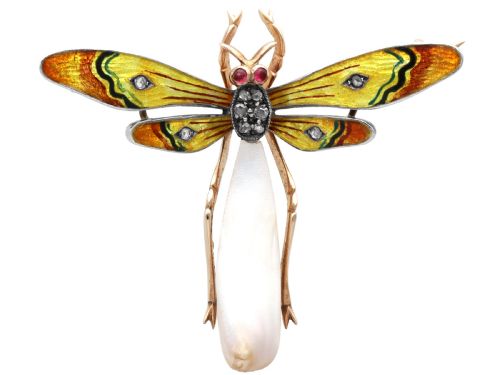
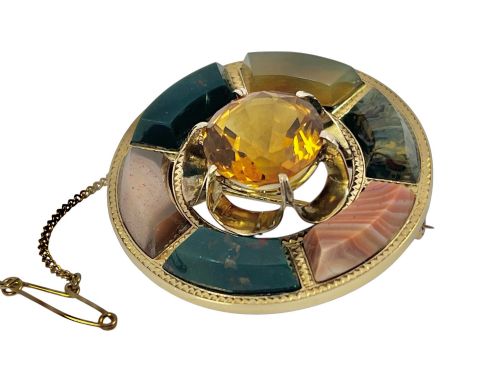
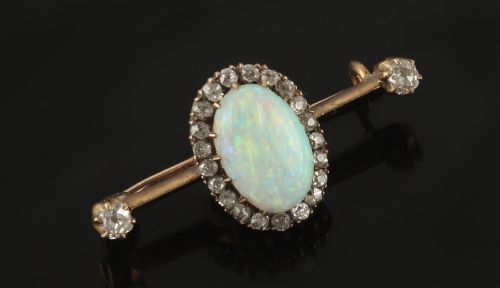
Jewellers constructed these brooches predominantly in yellow and rose gold of various carats, alongside sterling silver and silver gilt, frequently pairing metals for contrast. Stones such as diamonds, sapphires, garnets, citrines, and opals were set by hand alongside seed pearls and enamel work.
Techniques recorded in the pieces include traditional foil-backing for topaz, delicate cannetille wirework, and translucent plique-à-jour enamel. Pins and catches were fashioned to secure firmly to heavy woollen lapels and delicate silks alike.
Victorian Lapel Brooch Retail Price Guide 2026
Typical asking prices for victorian lapel brooch among the pieces listed under this phrase on Sellingantiques today, from the lower quarter to the upper quarter. They describe what is for sale here now, not the wider market.
Listings span periods from early Victorian and the nineteenth century through to Edwardian times and the nineteen-twenties.
What Varies in Quality
The distinction between standard examples and the finest work lies in the depth of hand-chasing, the complexity of the stone setting, and the integrity of fragile elements like enamel and foil. Superior pieces exhibit meticulous gemstone matching and sophisticated metal manipulation, such as articulated joints or layered gold constructions.
The overall preservation of the piece, including the crispness of motifs like foliage, insects, or heraldic designs, dictates the tier of the item. Lesser examples rely on simple stamping without the hand-finished engraving seen on higher grade brooches.
The Victorian Lapel Brooch Glossary
- Bar brooch
- A horizontal metal pin often set with gems or central motifs designed to span across fabric.
- Jabot pin
- A long pin originally used to secure a jabot cravat, featuring decorative terminals at both ends or a prominent top pin.
- Cannetille
- A fine filigree wire technique resembling lace, popular in mid nineteenth century goldwork.
- Plique a jour
- An enamelling technique similar to stained glass where enamel is fired without a backing, letting light pass through.
- Foil-backed
- Gemstones placed over a coloured metallic foil in the setting to enhance their internal reflection and hue.
Victorian Lapel Brooch: Frequently Asked Questions
How do I wear a lapel brooch?
These pieces attach directly to the lapel of a jacket or coat using the integrated pin and catch mechanism. They add a focal point to tailoring.
Heavier items require sturdy cloth to prevent the fabric from sagging under the weight of the gold and gemstones.
Were these used as mourning jewellery?
Certain examples incorporate dark materials like onyx or specific arrangements intended for remembrance during the nineteenth century. These served both sentimental and decorative purposes.
Not all Victorian pins relate to mourning, as the majority celebrate flora, fauna, and geometric designs.
How do I distinguish Victorian from Edwardian styles?
Victorian pieces tend to feature heavier gold weights, warmer yellow tones, and robust motifs like crescent clusters or heavy floral sprays. They reflect the romantic and naturalistic themes of the mid to late nineteenth century.
Edwardian designs transition into lighter silver and platinum or white gold settings, favouring delicate garlands, swallows, and airy diamond arrangements.
What is a stick pin?
A stick pin consists of a decorative head mounted on a long, straight stem intended to secure cravats or lapels. They function similarly to traditional brooches but rely on a downward slide into the cloth.
Many examples feature animal themes or cluster gems matching larger lapel brooches of the same era.