

Victorian Landscape Oil Artwork
These Victorian landscape oil artwork pieces capture pastoral scenes and coastal views using oil paint on canvas, offering buyers authentic 19th-century charm.
Victorian Landscape Oil Artwork
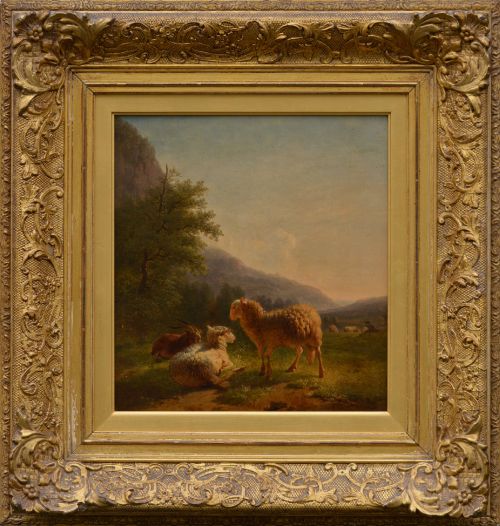
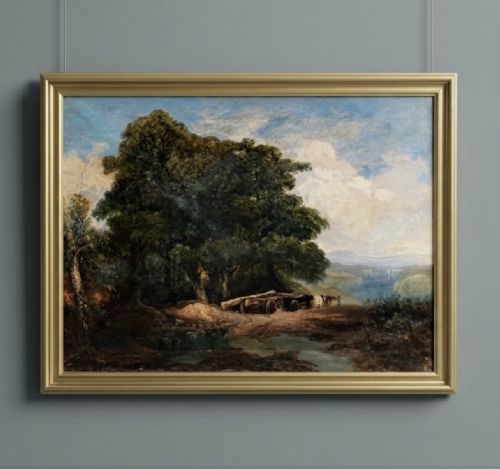
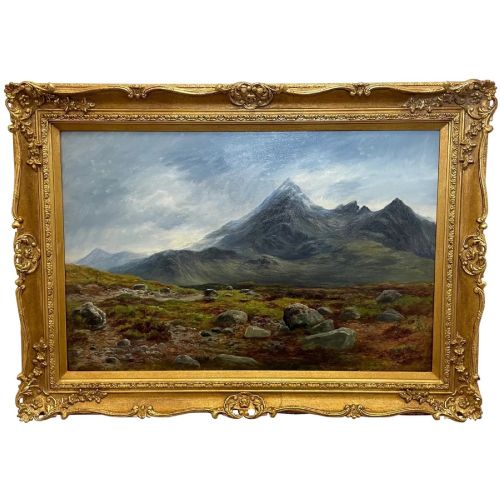
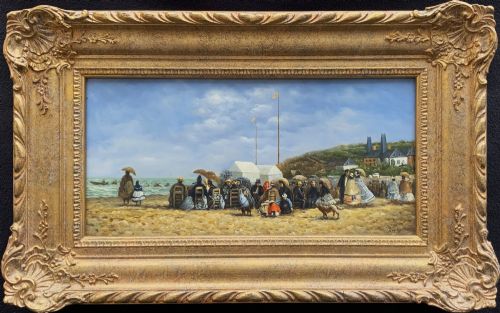
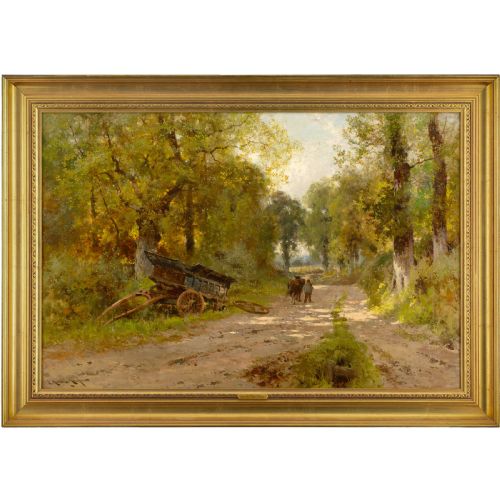
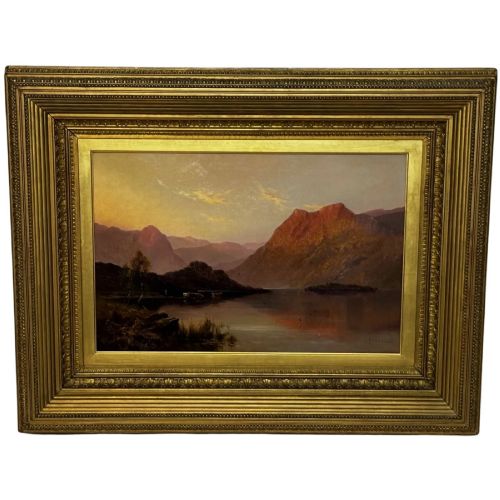
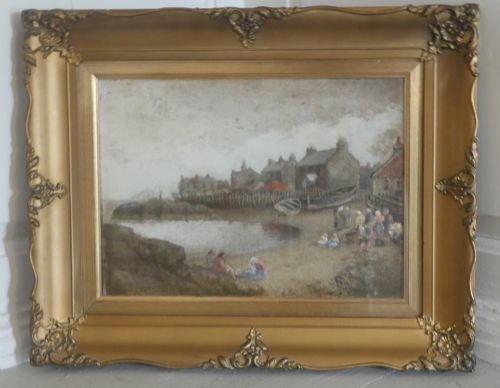
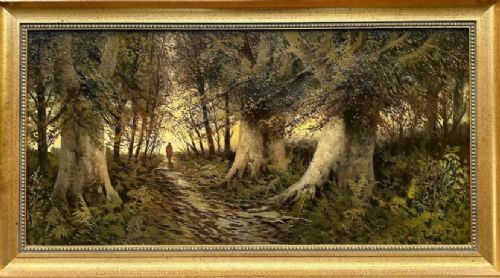
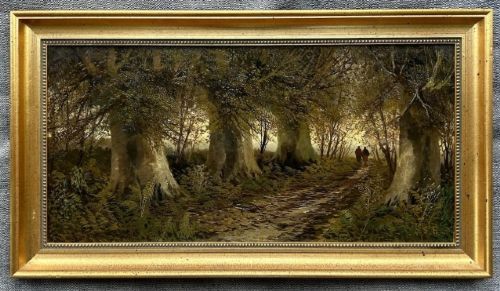
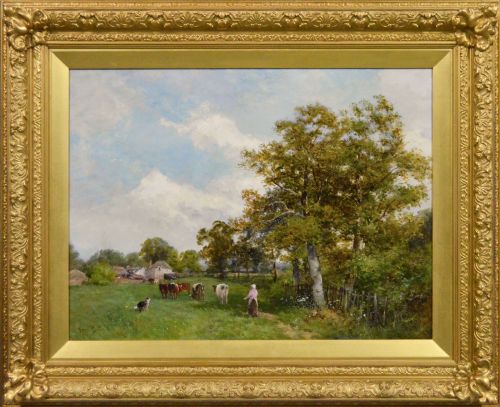
When searching for a Victorian landscape oil artwork, a buyer encounters original paintings spanning the nineteenth century through the early twentieth century. The selection includes rural scenes, pastoral views, marine subjects, and townscapes rendered in oil on canvas or panel. Most examples originate from British and European artists working within romantic, realist, and pastoral traditions.
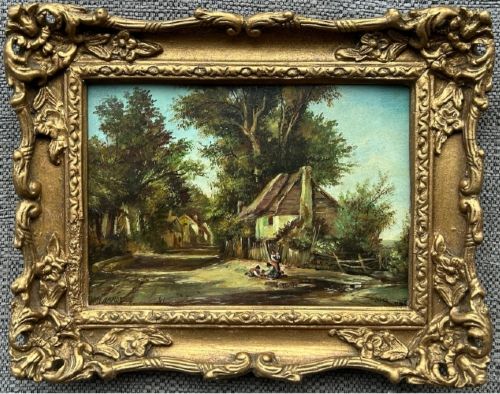
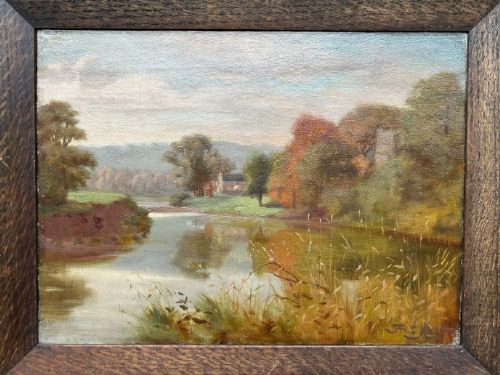
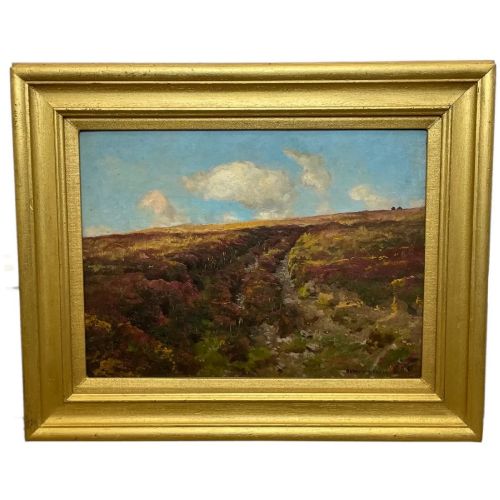
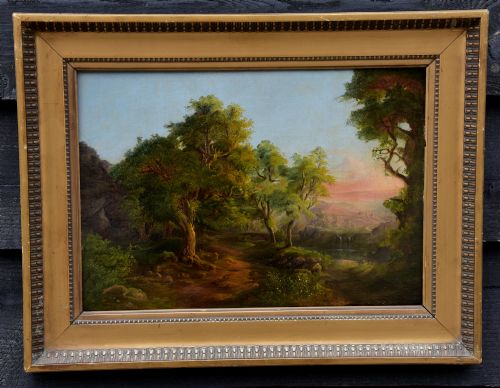
The prevailing format on this page consists of framed oil paintings depicting woodlands, rivers, figures by cottages, and coastal harbours. Dating primarily from the Victorian era and the decades immediately following, these works range from intimate board sketches to large canvas compositions created by named painters and regional schools.
How They Were Made
These works utilise oil paint applied to stretched canvas, wooden panels, or board supports, often framed in gesso and gilt wood. Artists built up the composition using layers of oil pigment to achieve depth in skies, foliage, and water.
Support materials varied according to scale and convention, with larger romantic landscapes requiring durable woven canvas while smaller studies utilised rigid wooden panels or board. Giltwood and gesso frames completed the construction, providing structural support and period presentation.
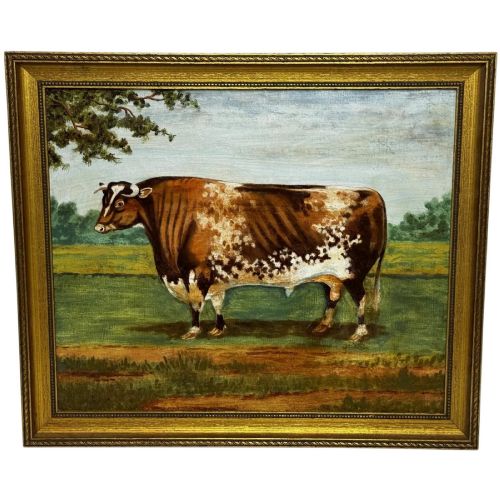
Several canvases faithfully record the serious expressions of prize-winning bulls and loyal hunting dogs who outlasted their masters.
What Varies in Quality
Quality in these paintings rests upon the handling of light, brushwork confidence, and compositional balance. Superior examples demonstrate deft control over atmospheric perspective, detailed rendering of figures and animals, and a harmonious palette.
The distinction between standard decorative works and finer pieces lies in the artist's ability to capture natural movement, whether in the ripple of water, the posture of livestock, or the play of sunset light across a woodland path.
Eugène Verboeckhoven·Richard Sebastian Bond·William Beattie-Brown·Arthur Wardle·John Horace Hooper·Alfred Fontville de Breanski Jr·Thomas W Lascelles·David Bates·Thomas Smythe·Robert John Hammond·Walter Heath Williams·Francis Moltino·Bernard Benedict Hemy·Thomas Creswick·Thomas Sidney Cooper·Frederick Walker·Richard Redgrave·John Sargent Noble·Robert Watson·John Wilson Carmichael·Sir Edwin Henry Landseer·George Wright·Albert Rieger·Abraham Cooper
The Victorian Landscape Oil Artwork Glossary
- Oil on Canvas
- A painting medium where oil paint is applied to a woven fabric support stretched across a wooden frame. This combination provided artists with a flexible surface that accommodated extensive layering and blending.
- Gesso
- A plaster-like mixture applied to wood frames to create a smooth surface before gilding. It allowed craftsmen to mould intricate decorative details onto the borders of paintings.
- Panel
- A rigid wooden support used by artists instead of canvas. Panels offered a smooth, stable surface suited to smaller, detailed landscape studies.
- Romanticism
- An artistic movement emphasising emotion, individualism, and awe of the natural world. Works in this style frequently feature dramatic lighting and expansive, moody vistas.
- Realism
- An artistic approach dedicated to depicting everyday subjects truthfully without artificiality. In landscape art, this translated to accurate observations of rural life and natural topography.
Victorian Landscape Oil Artwork: Frequently Asked Questions
How do I date an antique landscape oil painting?
Dating relies on stylistic markers, framing techniques, and the materials used for the canvas or panel support. Victorian works often display specific Romantic or Realist tendencies alongside period framing conventions.
Signatures, artist records, and inscriptions on the reverse of the canvas also provide reliable chronological markers for identifying the exact period of creation.
What subjects are common in these paintings?
Common subjects include pastoral scenes with livestock, woodland paths, river views, coastal harbours, and dramatic marine settings. Figures engaged in rural labour or leisure frequently populate the foreground.
Artists also depicted specific regional locations across Britain and Europe, capturing recognizable landmarks, country cottages, and townscapes under changing weather and light.
Are these paintings signed by the artist?
Many of the listed works feature original signatures or monograms applied by the artist, while others remain unsigned or attributed to specific schools. Signatures typically appear in a lower corner of the canvas or panel.
Attributions for unsigned pieces are determined by stylistic comparison, subject matter, and historical records matching the techniques of known nineteenth-century painters.
What is the difference between canvas and panel?
Canvas consists of woven fabric stretched over a wooden frame, offering a flexible surface that absorbs paint layers well for large compositions. Panel uses a rigid wooden board, which provides a firm and stable base suited to smaller works.
Both supports were widely used throughout the nineteenth century, with the choice often depending on the artist's preferred scale and portability requirements.