




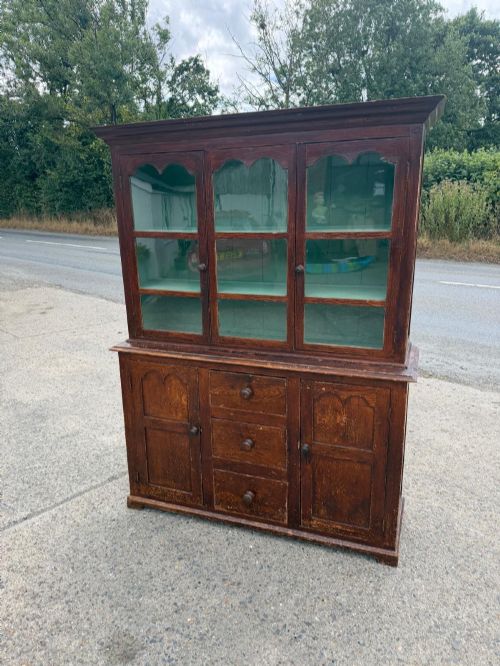
Victorian Kitchen Sideboard
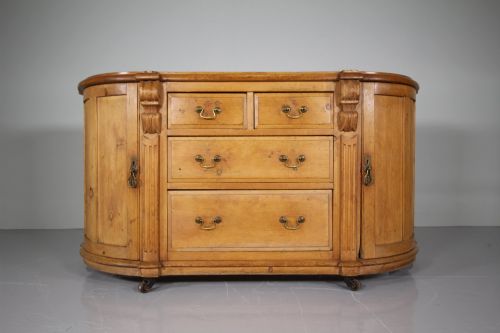
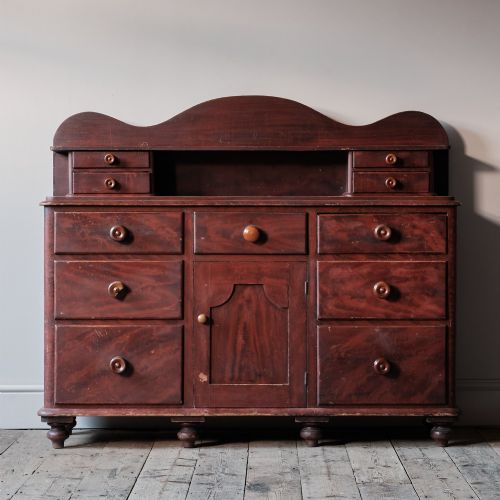
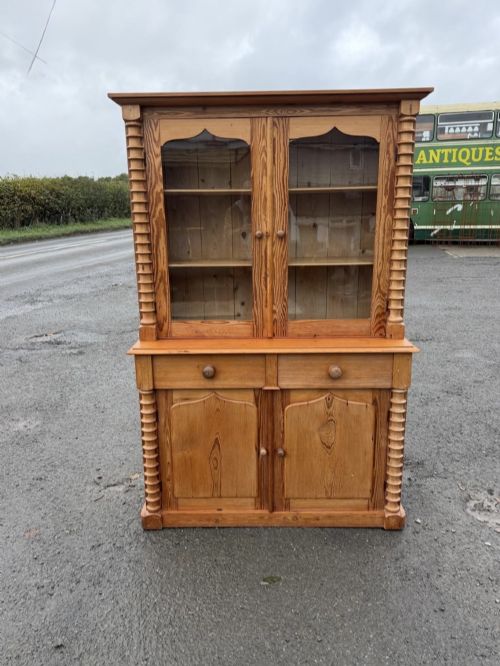
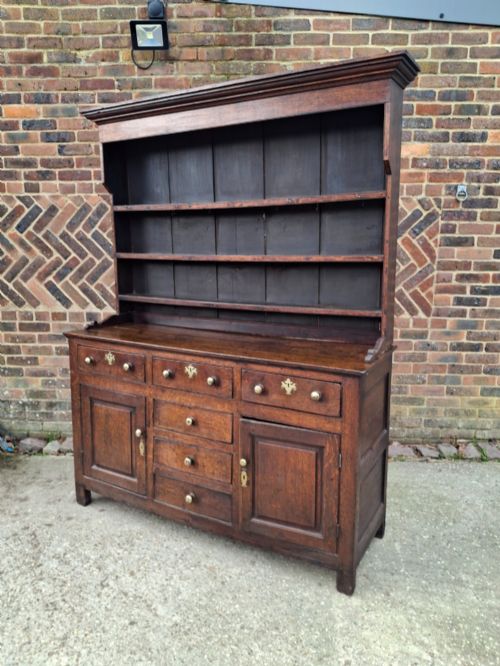
These pieces combine the practicality of a victorian kitchen sideboard with the robust utility of nineteenth century country furniture.
Victorian Kitchen Sideboard
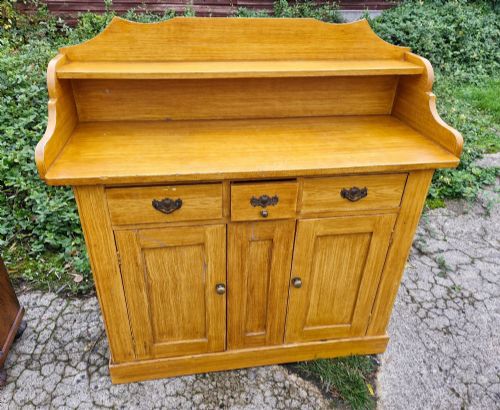
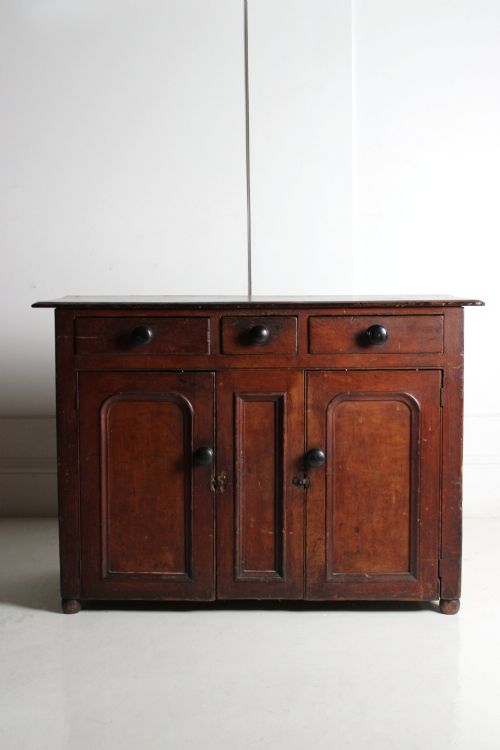
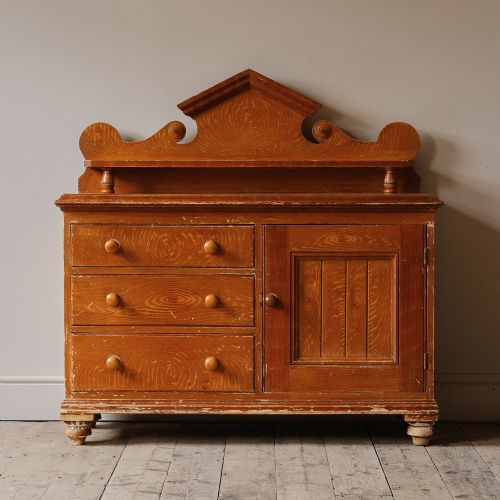
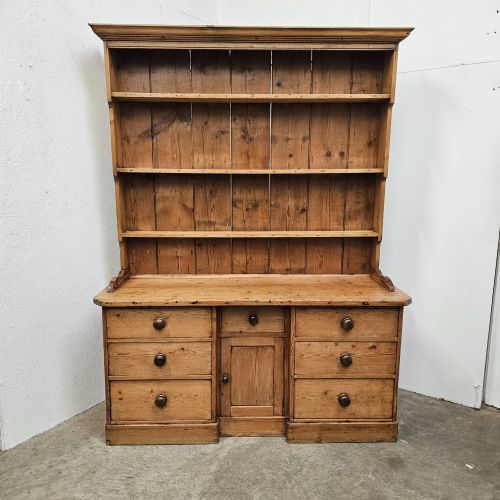
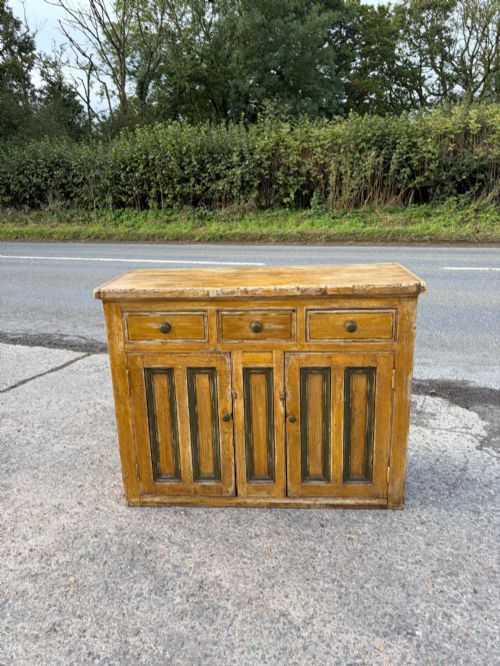
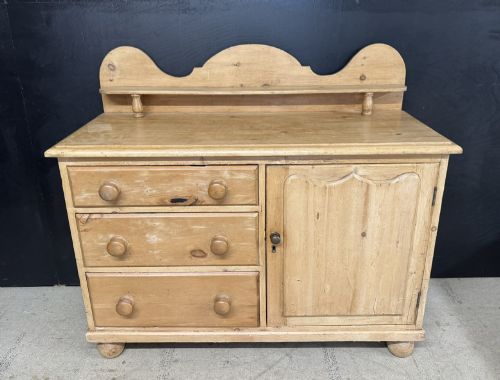
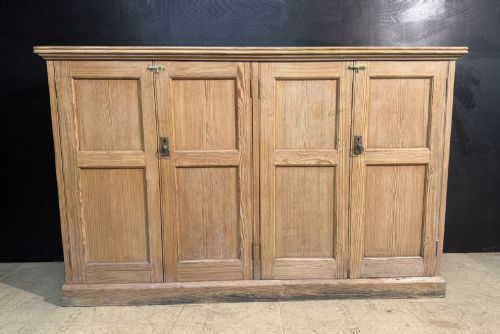
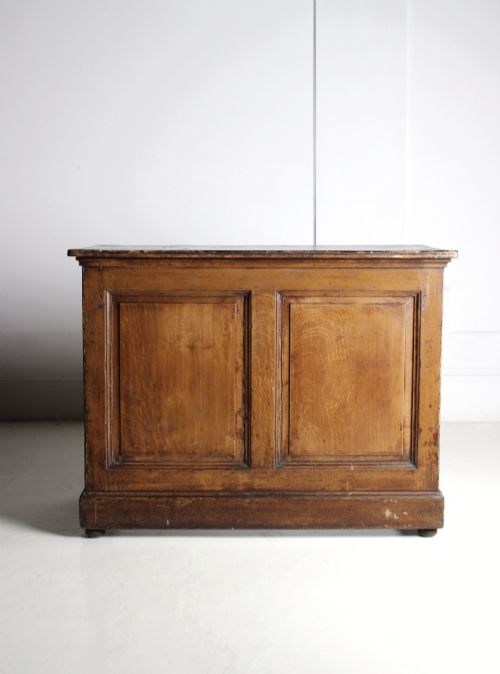
A victorian kitchen sideboard bridges the gap between utilitarian storage and domestic display, drawing on centuries of vernacular woodworking traditions. These pieces include low dresser bases, wide cupboards, and towering kitchen dressers fitted with glazed display cabinets or open shelving.
The version most commonly met on this page is the pine kitchen dresser base or sideboard, often originating from Welsh, English, or rural farmhouse workshops. They typically incorporate combinations of drawers and lower cupboards, sometimes featuring pot shelves or dog kennel spaces between central pillars.
Dating primarily from the nineteenth century, these heavy items served as the hardworking centrepiece of the domestic kitchen or scullery. Their forms reflect the regional variations of the Victorian era, ranging from simple rustic pine to grander carved oak iterations.
What Varies in Quality
The hierarchy of quality rests on the retention of original surfaces, whether that is untouched period paint or deep patinated wax over timber. Pieces retaining their original hardware, uncompromised pot shelves, and authentic regional proportions command greater regard.
Construction depth also dictates standing, where superior examples reveal careful timber selection, hand-cut dovetailing, and structural harmony rather than heavy alterations over time. The presence of carved regional motifs, such as local vernacular flourishes, elevates individual specimens.
Victorian Kitchen Sideboard Retail Price Guide 2026
Typical asking prices for victorian kitchen sideboard among the pieces listed under this phrase on Sellingantiques today, from the lower quarter to the upper quarter. They describe what is for sale here now, not the wider market.
Listings feature pieces spanning from the eighteenth century to the early twentieth century, constructed primarily in pine and oak.
The Victorian Kitchen Sideboard Glossary
- Dresser Base
- A low sideboard form featuring drawers and cupboards beneath a flat top, designed for kitchen work and storage. These pieces form the foundation of many larger modular dresser units.
- Dog Kennel
- A central open recess positioned beneath the drawers or between cupboards in a sideboard or dresser base. This architectural feature originally accommodated working dogs in country kitchens.
- Pot Shelf
- An open lower shelf positioned close to the floor between the legs of a dresser base or sideboard. It served as a practical storage space for heavy cooking pots and domestic utensils.
- Welsh Dresser
- A traditional tall kitchen storage unit combining a lower sideboard base with upper shelving or a glazed cabinet. They are particularly noted for displaying ceramic kitchenware.
- Tiger Oak
- Oak timber exhibiting distinctive, highly figured medullary ray patterns resembling tiger stripes. This decorative grain appeared frequently in finer Victorian cabinet work.
Victorian Kitchen Sideboard: Frequently Asked Questions
How do I clean a pine sideboard?
Maintain waxed pine surfaces using traditional beeswax applied sparingly with a soft cloth to nourish the timber.
Avoid modern liquid polishes containing silicones, which can damage historic finishes and trap moisture in the grain.
Were these sideboards used in kitchens?
Victorian kitchen sideboards and dresser bases stood at the heart of domestic life for food preparation and storage.
They housed heavy crockery, dry goods, and everyday utensils in busy nineteenth century households before moving into modern dining spaces.
How do I date a Victorian sideboard?
Examine construction methods, timber marks, and hardware types to establish the approximate period of manufacture.
Hand-cut dovetails, original backboards, and authentic painted surfaces generally point towards the nineteenth century.
Can I paint a waxed pine piece?
Many listings note pieces as suitable to wax or paint, allowing buyers to adapt them to contemporary interiors.
Ensure any existing wax is thoroughly stripped before applying modern paints to guarantee proper adhesion to the timber.