

Victorian Kitchen Desk
These pieces sold as a victorian kitchen desk bring honest working timber into modern rooms.
Victorian Kitchen Desk
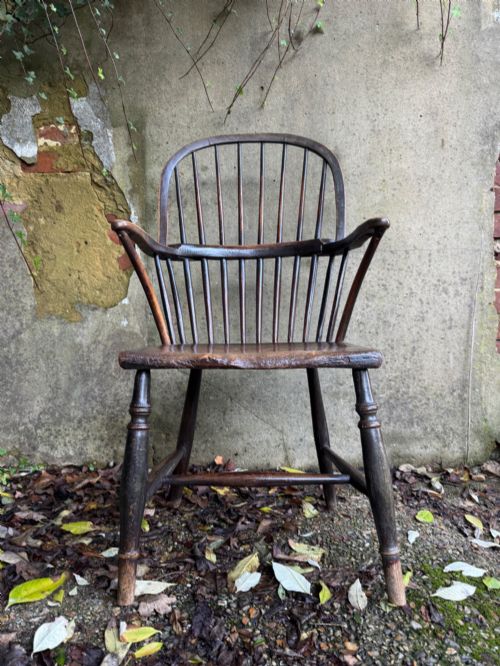
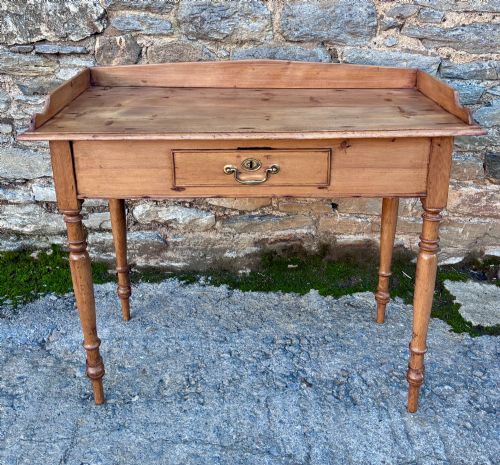
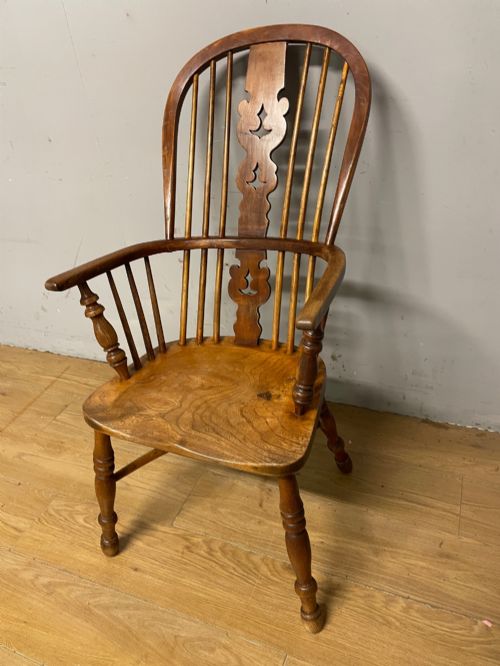
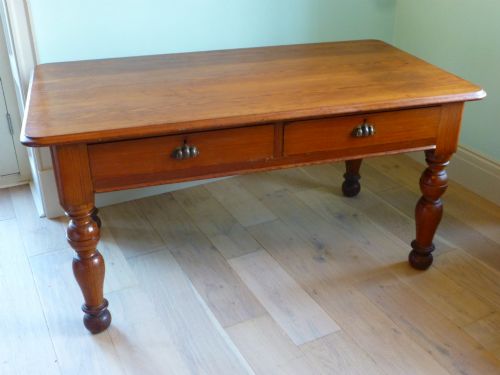
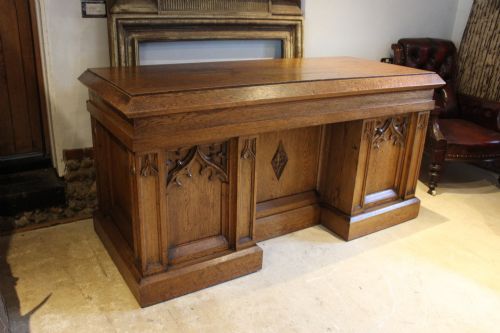
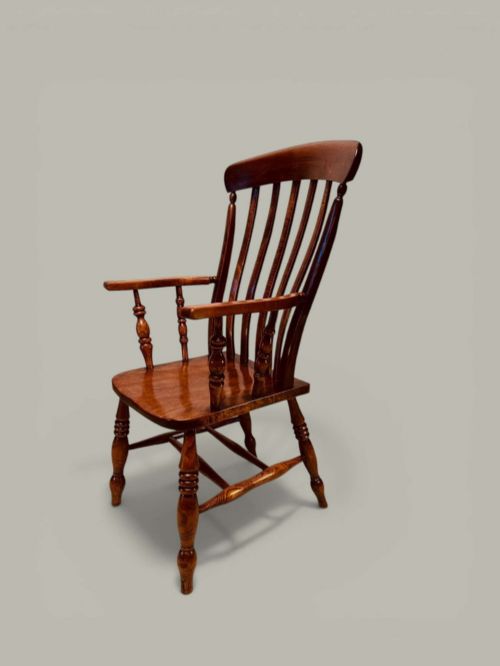
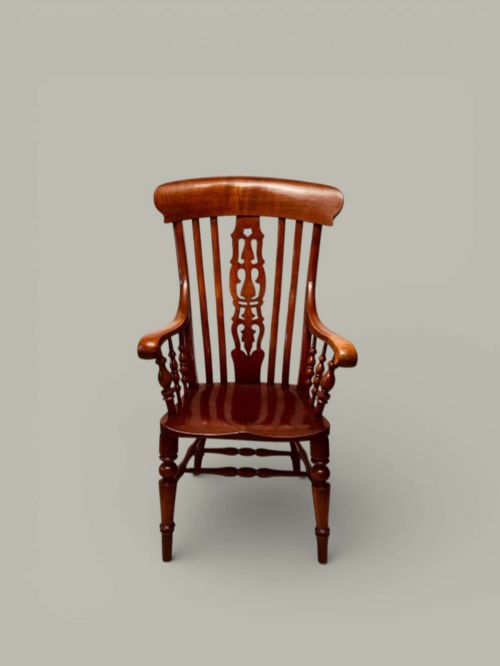
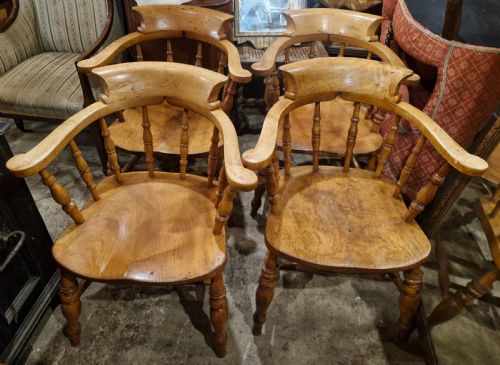
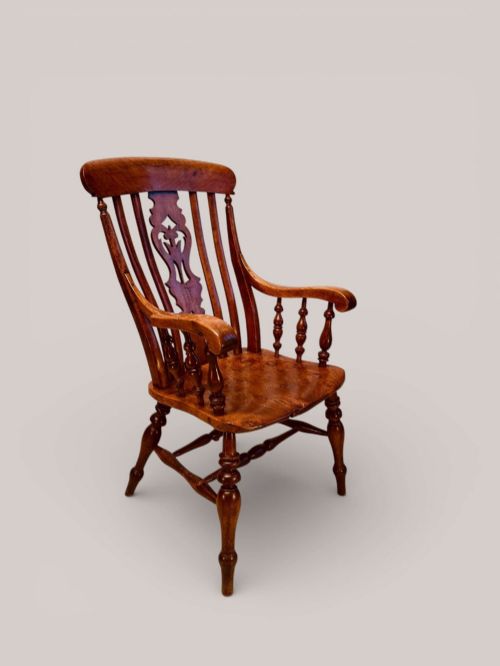
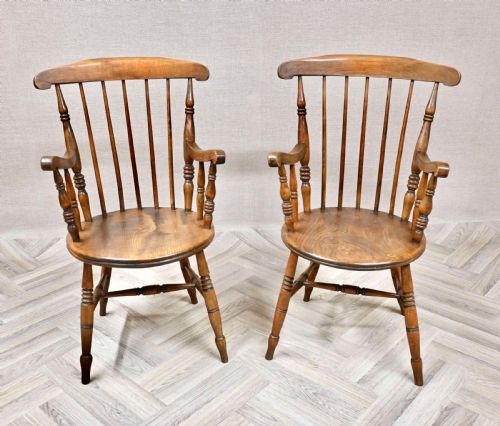
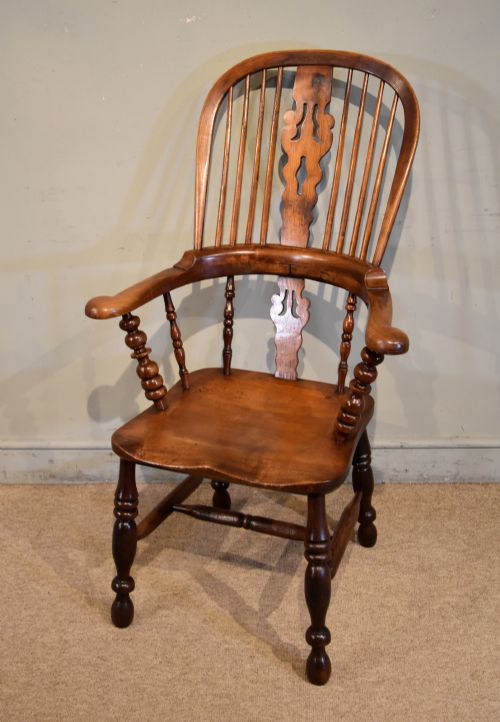
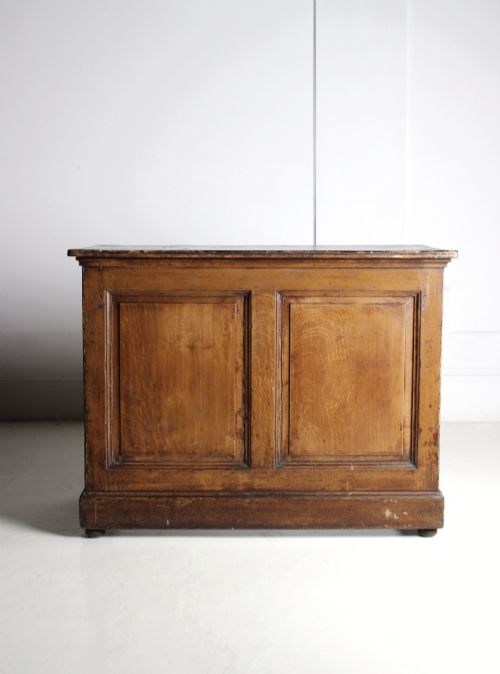
When searching for a victorian kitchen desk, buyers encounter functional timber tables, sturdy Windsor armchairs, and practical prep furniture rooted in nineteenth-century domestic life.
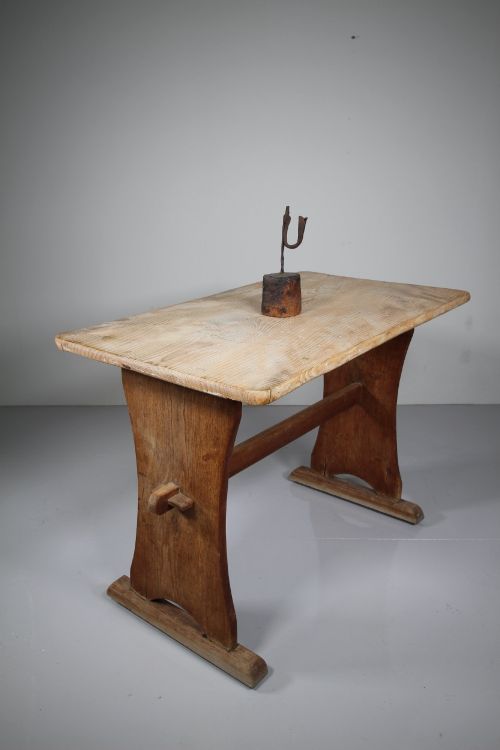
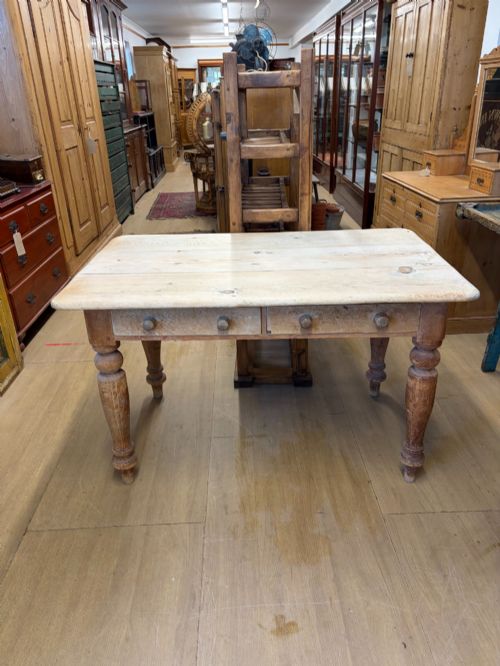
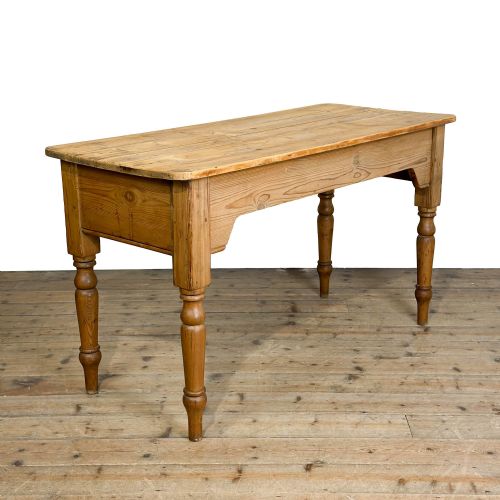
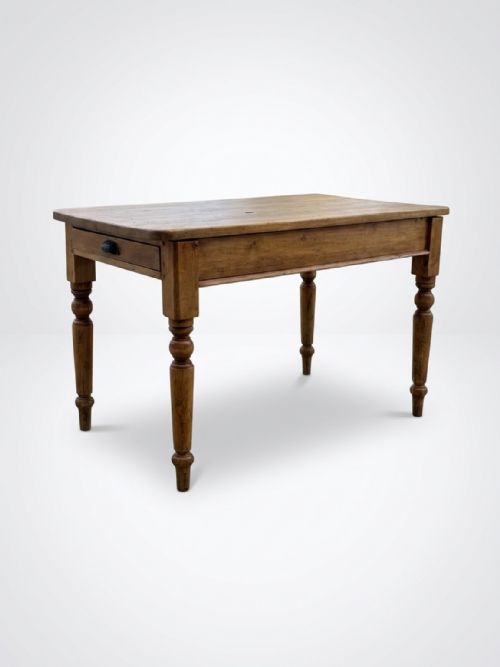
The pieces appearing most frequently on this page combine utilitarian pine frames with practical single drawers, scrubbed tops, or original painted legs designed for hard daily use.
Origins span regional workshops across Britain, utilising native woods shaped by vernacular traditions rather than academic design formulas.
Materials and Construction
Makers relied on durable native timbers such as solid pine, heavy elm for seats, and flexible beech or ash for chair spindles and legs.
Joinery prioritises strength over display, employing straightforward pegged joints, turned supports, and dovetailed drawer construction built to withstand constant service in sculleries and kitchens.
Victorian Kitchen Desk Retail Price Guide 2026
Typical asking prices for victorian kitchen desk among the pieces listed under this phrase on Sellingantiques today, from the lower quarter to the upper quarter. They describe what is for sale here now, not the wider market.
Several kitchen tables keep their original painted legs, proving that Victorians loved a splash of colour as much as we do.
Distinctions in Quality
Quality rests upon the integrity of the timber, where dense grain patterns, untouched patination, and minimal structural alteration elevate a utility table or chair above standard workshop output.
Finer examples retain original painted surfaces, balanced proportions, and robust joinery that demonstrates the maker's practical mastery over humble materials.
The Victorian Kitchen Desk Glossary
- Windsor armchair
- A traditional wooden seat featuring a solid saddle-shaped wooden base into which turned legs and a curved back are separately wedged.
- Scrub top
- A plain wooden tabletop left bare and cleanable through repeated scouring with water and coarse brushes.
- Frieze
- The horizontal band running directly beneath the tabletop, frequently housing one or more utility drawers.
- Penny seat
- A distinctive saddle seat shape on a Windsor chair with incised depressions resembling old pennies.
Victorian Kitchen Desk: Frequently Asked Questions
What is a victorian kitchen desk used for?
These versatile timber tables and sturdy chairs served working domestic spaces for food preparation, household management, and daily family meals.
Today they function equally well as writing desks, kitchen islands, or practical work surfaces in modern homes.
How do I identify a genuine period piece?
Look for authentic signs of age such as hand-cut dovetails, timber shrinkage, and natural surface wear from decades of practical service.
Construction methods using pegged joints and native woods like pine and elm typically confirm nineteenth-century origin.
How should I care for old pine furniture?
Protect timber surfaces by avoiding direct heat sources and excessive moisture which can dry out or warp the historic wood.
Regularly feed unfinished or waxed pine with appropriate natural beeswax to maintain the rich texture and patination.
What woods were used in these items?
Cabinet makers and country joiners predominantly utilised homegrown timbers readily available across Britain during the nineteenth century.
Pine forms the primary tabletops and carcases, whilst sturdy elm, beech, and ash provide structural resilience for chairs and Windsor arms.