






Victorian Kettle Stand Trivet
These Victorian kettle stand trivet pieces bring sturdy utility and warm metal tones to the fireside, offering dependable warmth for water and hearth.
Victorian Kettle Stand Trivet
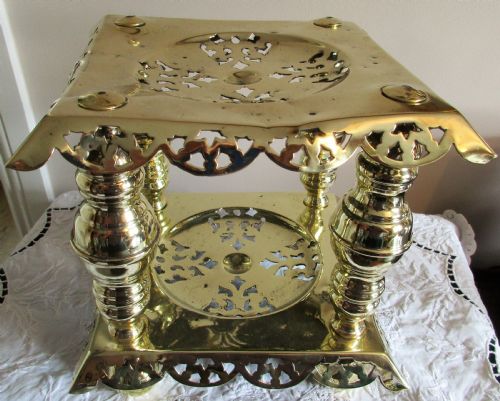
A victorian kettle stand trivet serves as a sturdy bedside or fireside platform designed to hold heavy vessels near the warmth. When you search for a victorian kettle stand trivet, you encounter practical hearth equipment built to endure daily heat and movement.
The selections on this page feature two-tier stands, heavy footmen, and traditional trivets associated with fireside accessories. Brass and steel constructions dominate the inventory, accompanied by occasional mahogany or wooden elements.
Most items span the nineteenth century and the Victorian era, alongside representative Georgian and Edwardian examples. Welsh regional variations also appear among the footmen and fireside plates.
Materials and construction
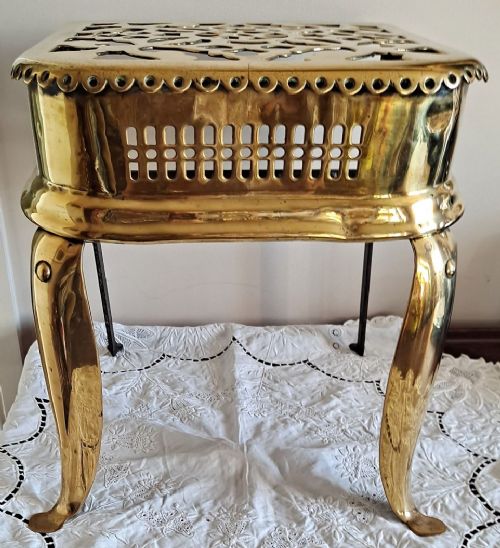
Makers utilised durable metals such as brass and iron, frequently combining brass tops with steel legs to handle intense fireplace heat. Wood and mahogany appear in specific stands, adding contrasting textures to the metal framework.
Construction methods focus on heavy-duty assembly, riveting, and casting to support heavy kettles and plates safely. Surfaces show the marks of hand-finishing and polishing characteristic of nineteenth-century metalwork.
Victorian Kettle Stand Trivet Retail Price Guide 2026
Typical asking prices for victorian kettle stand trivet among the pieces listed under this phrase on Sellingantiques today, from the lower quarter to the upper quarter. They describe what is for sale here now, not the wider market.
Listings span the 19th Century, Georgian, Victorian, and Edwardian periods, utilising brass, steel, iron, mahogany, and wood.
Assessing quality
The distinction between standard utility items and superior pieces rests on the weight of the metal and the crispness of the casting. Better examples display balanced proportions, substantial brass gauge, and integrated steel components that remain rigid under load.
Simpler regional pieces prioritise straightforward utility, whereas refined urban examples often incorporate decorative piercing on the top plate. The integrity of the joints and the preservation of original materials ultimately dictate the standing of each piece.
The Victorian Kettle Stand Trivet Glossary
- Trivet
- A small metal stand with short legs, placed near a fireplace to hold a kettle or warming plate.
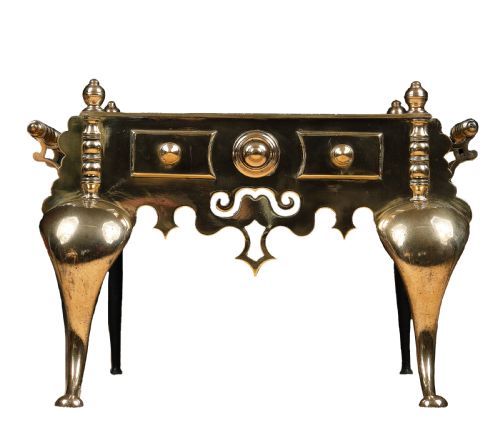
- Footman
- A large metal stand or footed table placed before an open fire to keep food warm.
- Two tier
- A design featuring two horizontal surfaces for holding multiple items simultaneously near the hearth.
- Pierced work
- Metal plate decorated with cut-out patterns, often seen on the top surface of better trivets.
Victorian Kettle Stand Trivet: Frequently Asked Questions
What is a footman?
A footman is a larger metal stand positioned before the fireplace to warm plates and food.
These pieces typically combine brass tops with iron or steel legs to withstand the direct heat of the hearth.
How were these used?
They served primarily to keep water hot in kettles and to keep meals warm near the fire.
Their sturdy metal construction allowed them to handle heavy iron and copper cookware safely.
What metals are used?
Brass and steel form the main components of these fireside pieces, often used in combination.
Iron and occasionally mahogany also appear across the nineteenth-century examples on this page.
How do I date them?
Dating relies on stylistic markers, construction techniques, and materials associated with the nineteenth century.
Victorian and Georgian pieces show distinct casting methods and regional design variations.