



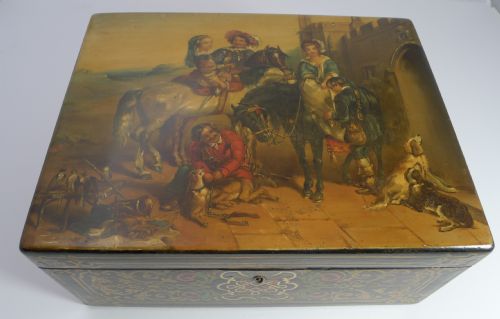


Victorian Keepsake Case
A Victorian keepsake case provides a secure, decorative repository for personal treasures, combining period craftsmanship with practical utility.
Victorian Keepsake Case
A victorian keepsake case encompasses diverse small receptacles designed to hold jewellery, trinkets, and personal mementos. These pieces emerge primarily from the Victorian and nineteenth-century periods, though examples span from Georgian foundations through to the Edwardian era.
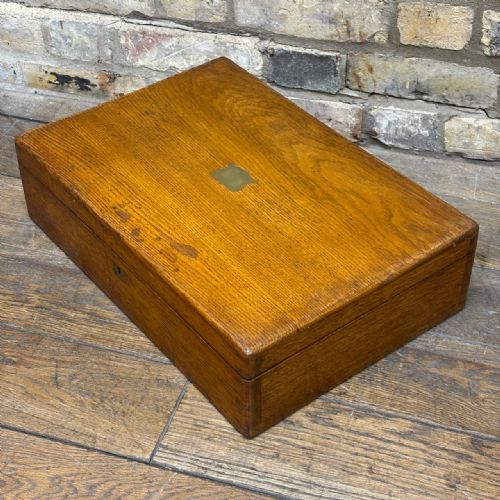
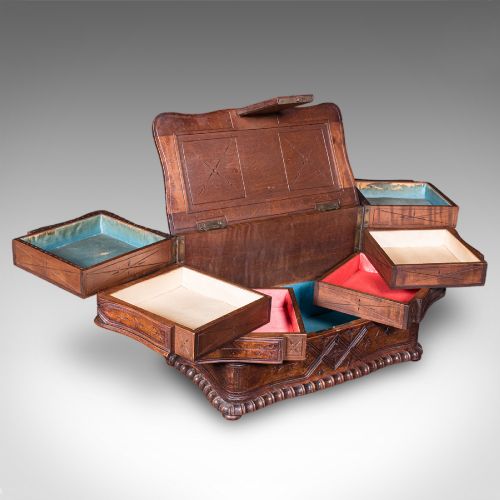
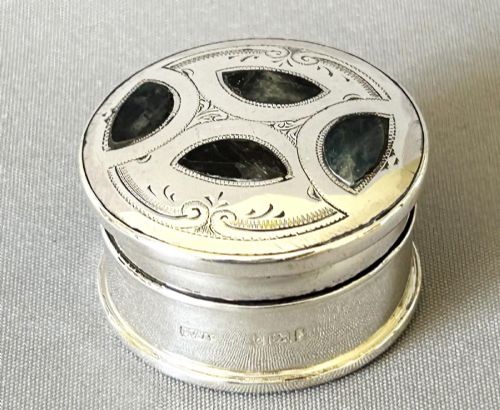
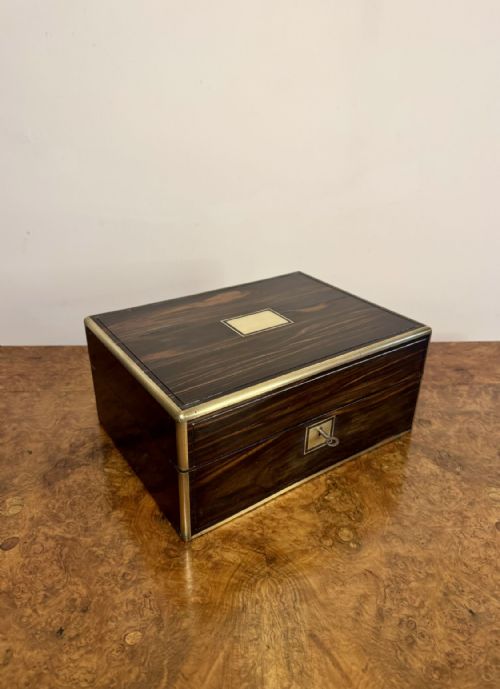
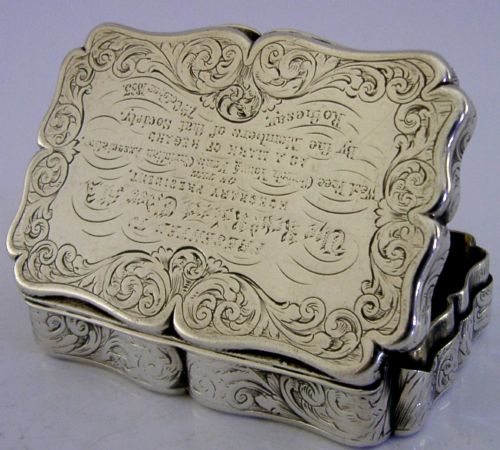
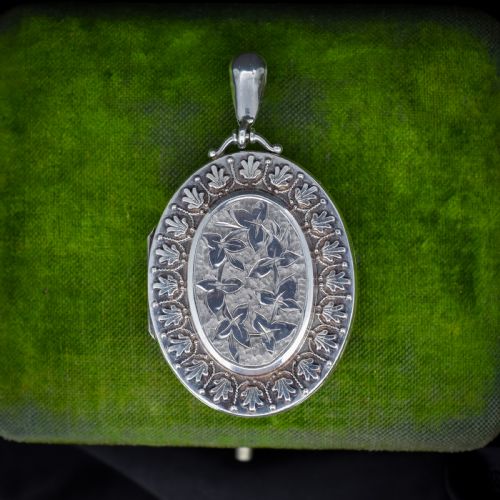
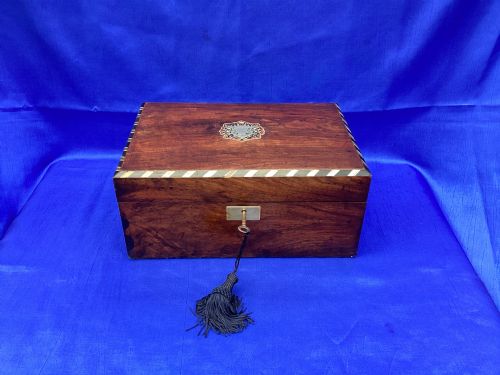
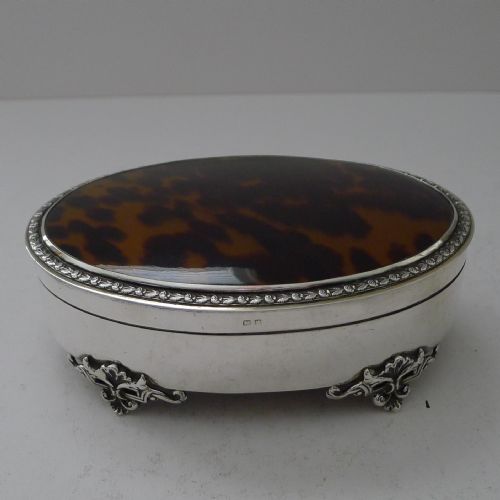
The dominant forms visible on this page include fitted dressing boxes, rosewood and mahogany jewellery boxes, and lacquered table cases. Buyers frequently encounter wooden variations enhanced with brass hardware or mother-of-pearl inlay, alongside smaller silver pillboxes and engraved lockets.
Origins stretch beyond standard British cabinet-making to incorporate Italian lacquer work, Japanese Meiji pieces, and Anglo-Indian ebony constructions. This geographical variety reflects the widespread Victorian appetite for exotic materials and international styles.
How They Were Made
Cabinet-makers constructed these cases using dense hardwoods such as rosewood, mahogany, burr walnut, and coromandel, often applying them as veneers over solid secondary timbers. Brass banding and reinforcement corners frequently provided structural durability while accentuating the exterior geometry.
Surface decoration relied on intricate techniques including hand-painting, lacquer application, gold leaf, and delicate mother-of-pearl inlay. Silver and gold components utilised traditional smithing methods, featuring detailed hand-engraving such as ivy motifs or heraldic crests.
Victorian Keepsake Case Retail Price Guide 2026
Typical asking prices for victorian keepsake case among the pieces listed under this phrase on Sellingantiques today, from the lower quarter to the upper quarter. They describe what is for sale here now, not the wider market.
Several boxes double as personal diary repositories, proving that Victorian diary writing required a proper architectural home.
What Varies In Quality
Quality reveals itself in the selection of timber veneers and the precision of the joinery, where superior boxes display seamless grain continuity and tight corner mitres. The sophistication of internal fittings - such as secret drawers, custom mirror housings, and silk or velvet linings - separates standard utility boxes from high-status dressing cases.
Maker attribution and hardware integration further elevate a piece, demonstrated by signed lockplates or specialised cabinet-makers such as Jennens and Bettridge. The intricacy of exterior embellishments, from hand-painted lacquer scenes to heavy cast brass handles, marks the distinction between mass-produced items and bespoke commissions.
Parkins And Grotto·Jennens And Bettridge
The Victorian Keepsake Case Glossary
- Burr walnut
- A figured timber derived from the burl growths of walnut trees, prized for its swirling, highly decorative grain patterns. Cabinet-makers used it extensively on Victorian luxury boxes to create striking lid panels.
- Coromandel
- A dense, heavy timber imported from Asia, characterised by dark brown colouring with dramatic black stripes. It was frequently utilised for high-end nineteenth-century vanity and dressing boxes.
- Meiji
- Pertaining to the period of Japanese history spanning from 1868 to 1912, noted in these listings for intricate lacquer work applied to small decorative boxes.
- Dressing box
- A specialised multi-compartment container designed to hold grooming implements, cosmetics, and jewellery, often featuring a fold-out mirror and removable trays.
- Locket
- A small hinged pendant designed to hold a miniature portrait or lock of hair, commonly manufactured in sterling silver or high-carat gold during the Victorian era.
Victorian Keepsake Case: Frequently Asked Questions
What fits inside a victorian keepsake case?
These boxes typically house small personal valuables, including rings, brooches, letters, and pocket watches. Many interior layouts feature dedicated velvet channels and removable trays designed specifically for delicate accessories.
Larger dressing boxes incorporate deeper compartments underneath the main tray to accommodate larger grooming bottles and personal diaries.
How were dressing boxes used daily?
Owners placed these boxes on dressing tables or writing desks to store and protect everyday personal effects. The fitted interiors kept grooming tools and jewellery organised and easily accessible during morning routines.
Many examples include working locks and keys, allowing owners to secure private correspondence and valuable trinkets away from domestic staff.
How do I identify a victorian period box?
Identification relies on observing characteristic timber choices, construction techniques, and decorative hardware styles typical of the nineteenth century. Look for dense hardwoods like rosewood and burr walnut combined with hand-cut dovetail joints and brass escutcheons.
Maker signatures, patent stamps on locks, and specific aesthetic movements such as Gothic Revival or Italian Rococo provide further clues to exact dating.
Where should I display my case?
Position your box on a stable surface away from direct sunlight and extreme temperature fluctuations to protect delicate wood veneers and historic finishes. Placing it on a desk or chest of drawers allows the decorative grain and inlay to remain visible.
Avoid high-humidity environments like bathrooms, as moisture can warp wooden carcases and degrade internal fabric linings.