
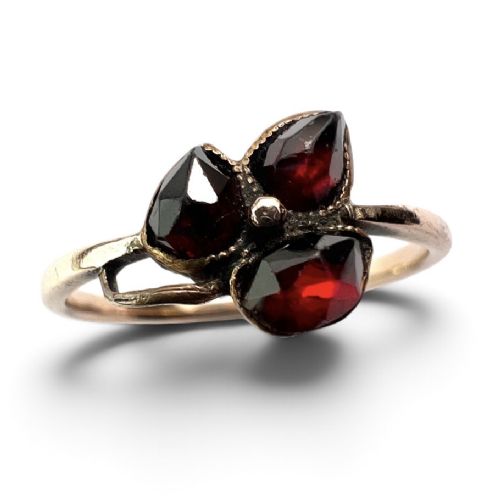


Victorian Jewellery Ring
A victorian jewellery ring carries the weight of nineteenth-century craftsmanship on the hand, offering distinct stone settings and symbolic motifs that continue to hold appeal.
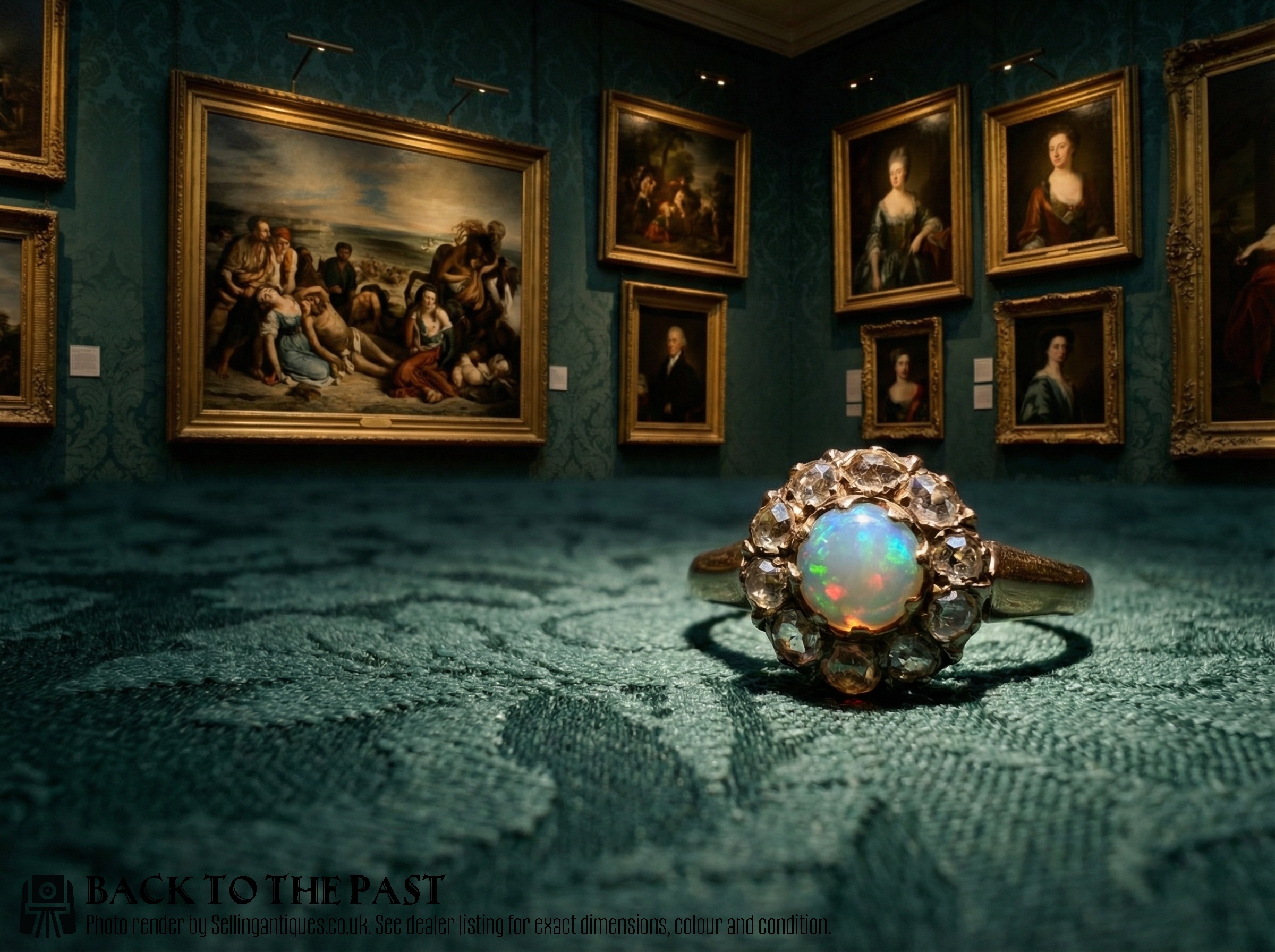
Victorian Jewellery Ring
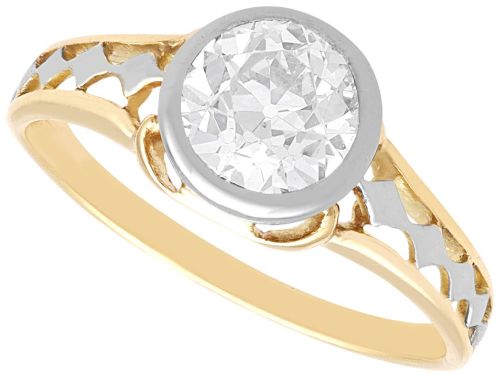
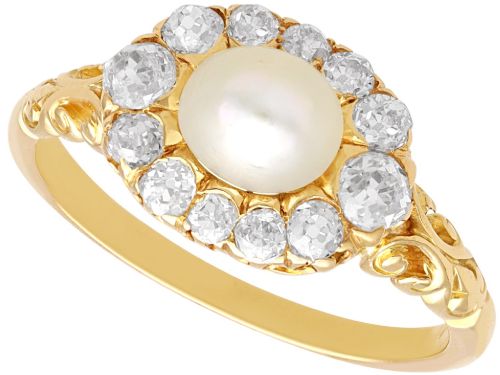
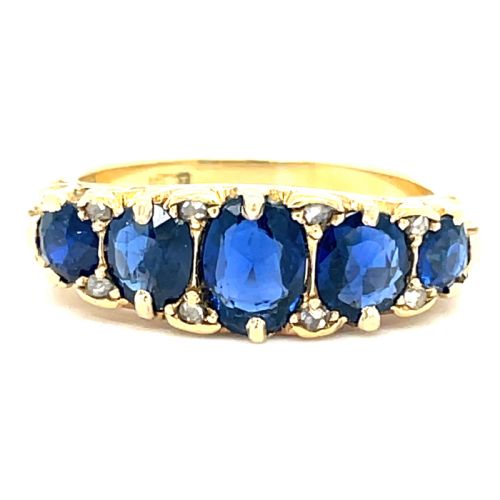
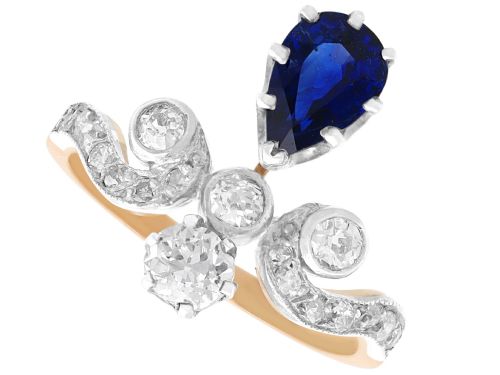
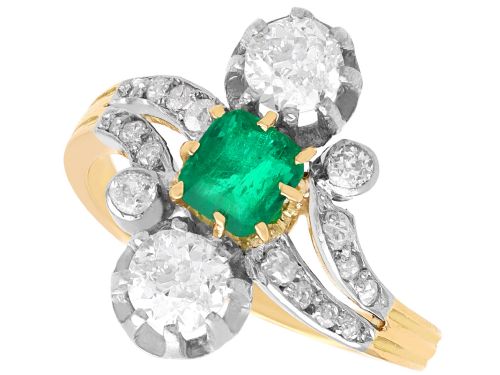
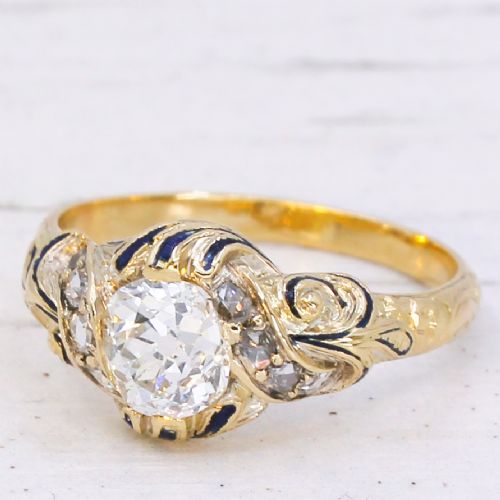
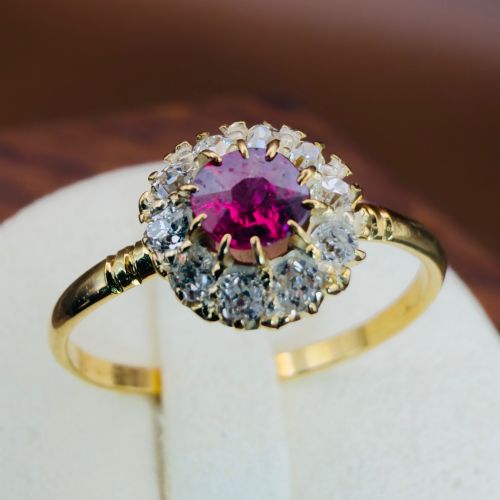
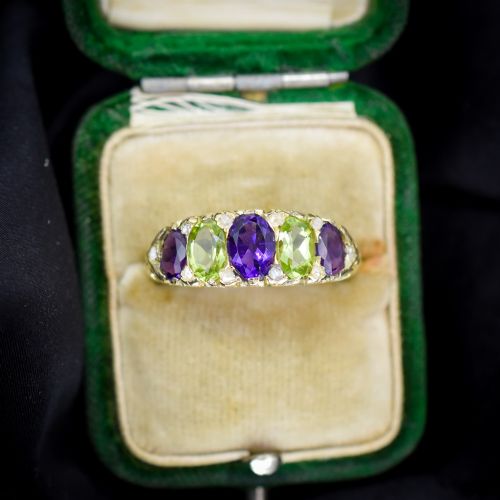
A victorian jewellery ring encompasses finger adornments created during the nineteenth century and the early twentieth century, featuring gold bands set with diamonds, rubies, sapphires, opals, and garnets. Buyers encounter cluster rings, gypsy settings, navette styles, and serpent motifs that reflect both Victorian sentimentality and later Edwardian refinement.
The selection ranges from heavy 22ct gold wedding bands and multi-stone diamond arrangements to mourning rings with purple glass and sentimental Mizpah inscriptions. Pieces frequently span from the 1880s through to the early 1900s, often bearing hallmarks from Birmingham or specific dates marked in gold.
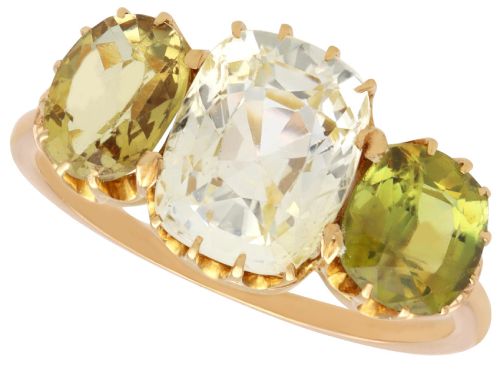
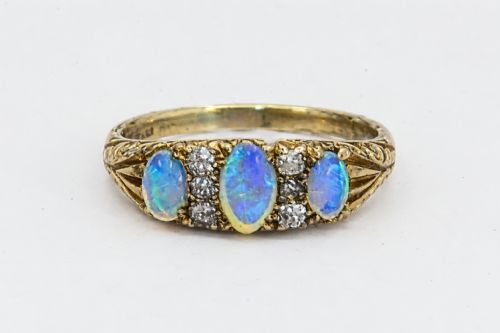
Cluster configurations and three-stone trilogy designs dominate the forms, alongside buckle rings and floral garnet arrangements. While rings form the primary focus of this search phrase, the broader selection occasionally touches upon silver trinket boxes and jewellery caskets.
How they were made
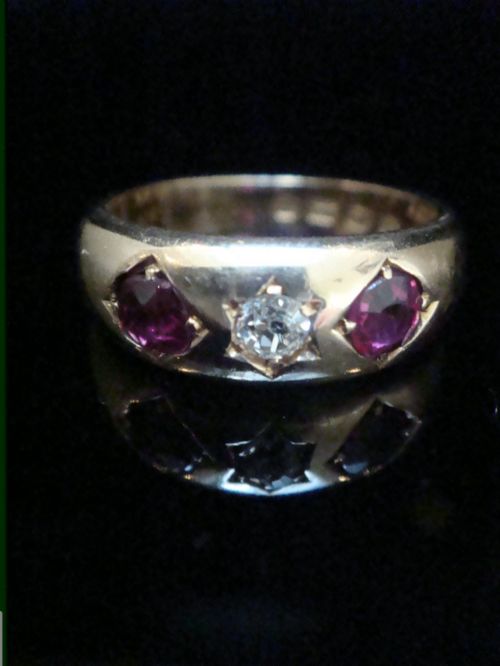
Goldsmiths utilised 18ct yellow gold, 15ct gold, 9ct rose gold, and occasionally platinum to form the structural bands and bezels, pairing these metals with old-cut diamonds and rubies. Stones were secured using gypsy settings, starburst engravings, or delicate claw mounts that highlighted the individual character of each gem.
Cluster designs positioned central diamonds or rubies amid secondary stones like pearls or sapphires, while serpent and buckle rings relied on detailed cast or chased metalwork. Makers incorporated precious materials such as black opal and turquoise alongside traditional gold bands to achieve varied textures and colour contrasts.
Gold serpents bite their own tails across the fingers of Victorian wearers, symbolising eternity.
What varies in quality
Quality rests in the crispness of the chasing and engraving on the gold shank, alongside the matching and proportion of the old-cut diamonds or coloured stones. Pieces that retain legible hallmarks and original stone settings demonstrate superior preservation compared to examples with worn metalwork or replaced gems.
The choice of metal alloy, from substantial 18ct and 22ct yellow gold down to 9ct variations, defines the baseline substance of the band. Furthermore, the complexity of design - such as a triple snake serpent band or a detailed navette cluster - distinguishes standard production pieces from more ambitious goldsmithing.
The Victorian Jewellery Ring Glossary
- Gypsy ring
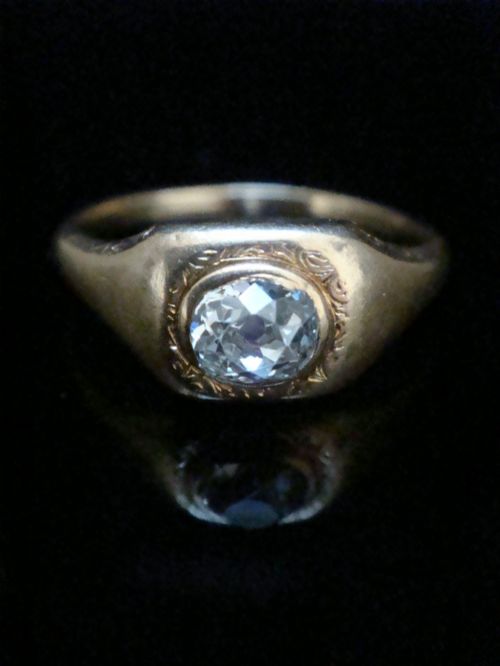
- A style where stones are flush-set directly into the thick gold band, typical of the late nineteenth century.
- Navette
- A boat-shaped or marquise-shaped setting that elongates horizontally across the finger.
- Trilogy ring
- A ring featuring three prominent stones, traditionally representing the past, present, and future.
- Mizpah
- A sentimental inscription or token exchanged between people as a symbol of emotional bond and remembrance.
- Old-cut diamond
- A hand-cut diamond shape predating modern brilliant standards, featuring a smaller table and a larger culet.
Victorian Jewellery Ring: Frequently Asked Questions
What defines a Victorian ring?
These rings are characterised by nineteenth-century motifs, including sentimental inscriptions, serpent designs, and floral cluster arrangements set in yellow gold.
They frequently utilise old-cut diamonds, garnets, rubies, and pearls, often accompanied by historical hallmarks or specific period dating.
How do I care for antique gold rings?
Gentle cleaning with a soft cloth helps preserve the integrity of the gold bands and fragile stones like opals or pearls.
Avoiding harsh chemical dips ensures that delicate claw settings and ancient metalwork remain secure over time.
What is a gypsy set ring?
A gypsy setting embeds gemstones flush into the heavy gold band, creating a smooth, uninterrupted outer surface.
This style became particularly popular during the late Victorian era for both men and women due to its durability.