

Victorian Jewellery Locket
These victorian jewellery locket pieces bring personal sentiment and intricate metalwork together in wearable keepsakes that collectors prize for their tactile nature.
Victorian Jewellery Locket
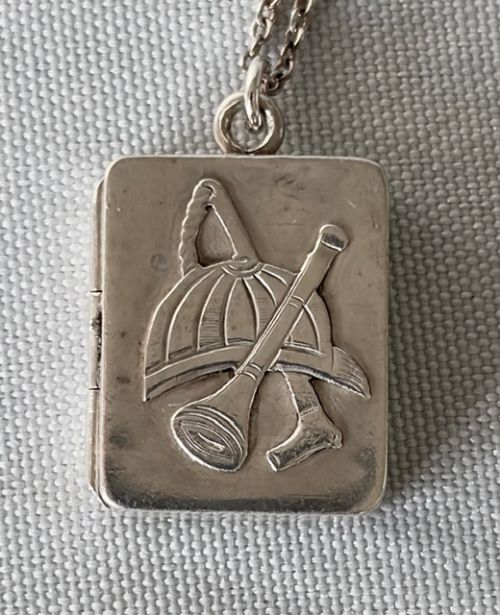
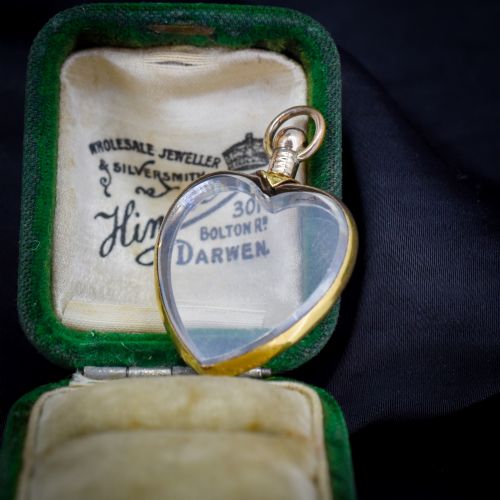
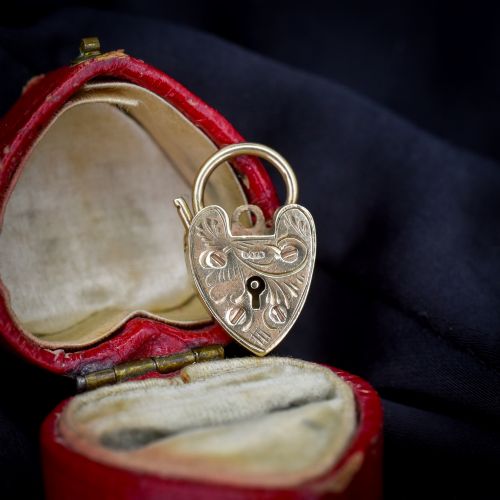
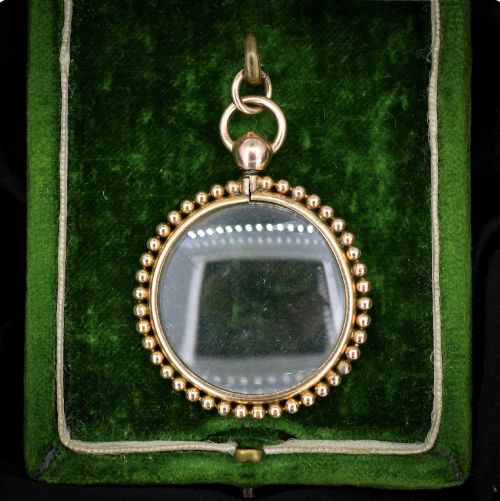
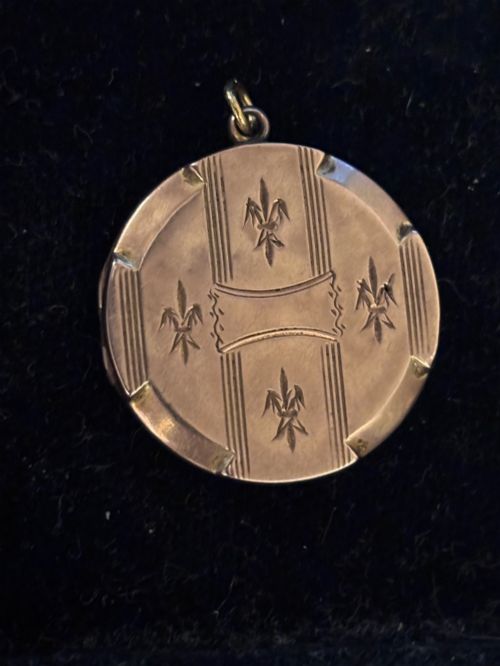
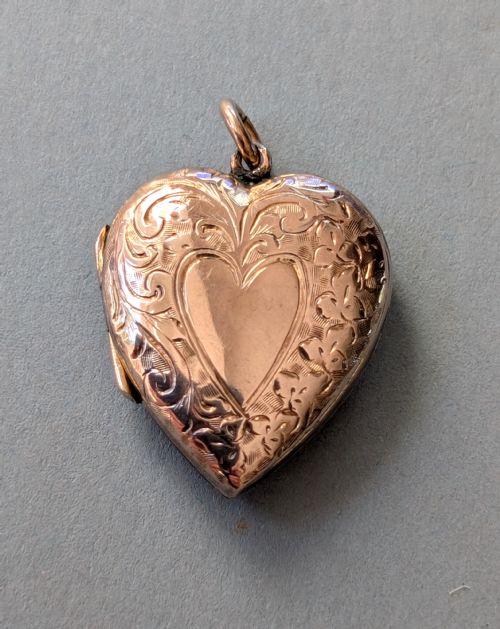
A victorian jewellery locket is a hinged pendant designed to hold a miniature portrait, a lock of hair, or a small photograph close to the heart. Buyers searching this phrase will find pieces spanning the nineteenth century alongside later twentieth-century iterations.
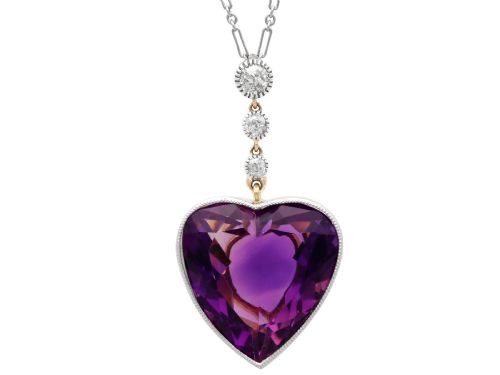
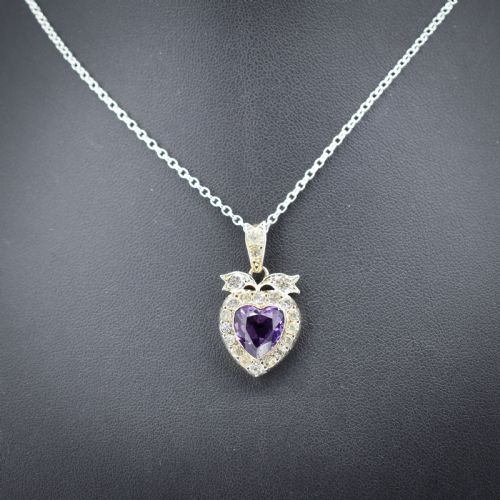
The selections on this page lean heavily into the Victorian era, offering heart shapes, oval frames, and larger pendants that double as brooches. Gold and silver predominate, often enriched with stones or enamel work.
Materials and methods
Metals range from sterling silver to solid yellow and rose gold in varying purities, alongside gold back-and-front constructions and rolled gold. Artisans utilised casting, engraving, and filigree wirework to build the outer shells of each pendant.
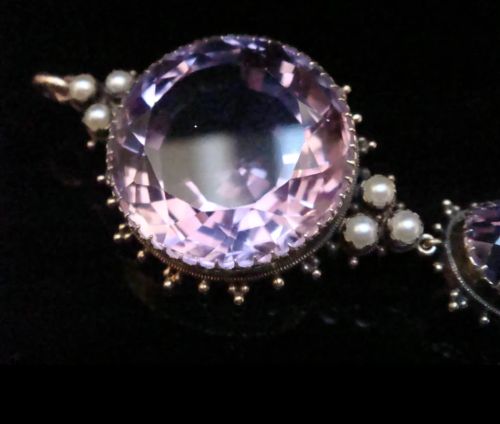
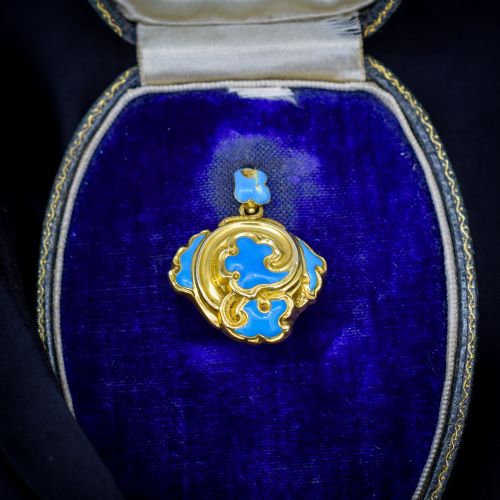
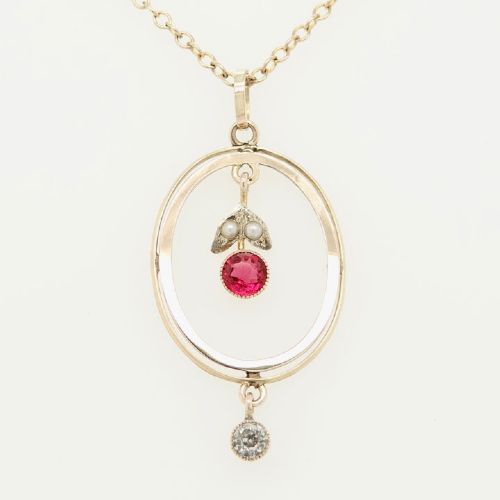
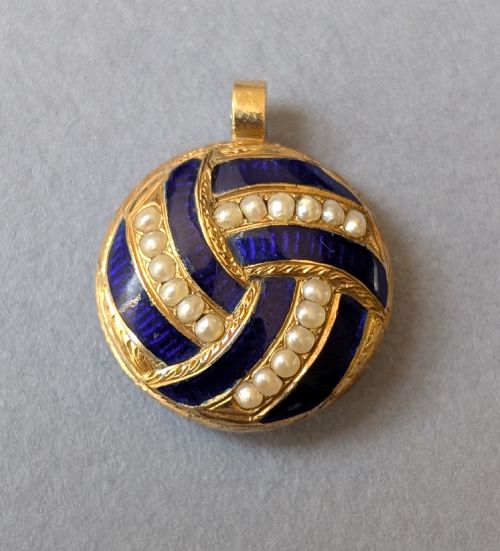
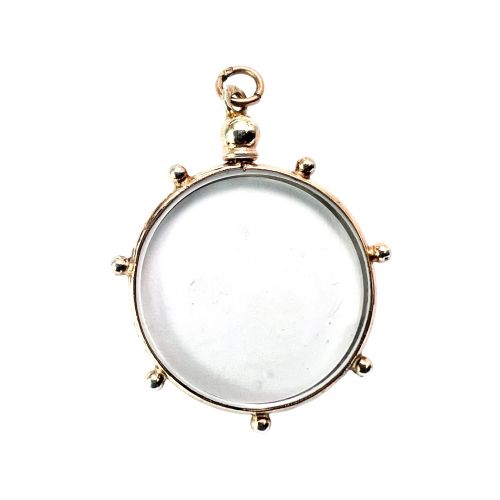
Surface decoration frequently incorporates seed pearls, garnets, turquoise, pastes, and coloured enamel. Glass covers protect internal compartments, while hinged mechanisms allow the pieces to open securely.
Victorian Jewellery Locket Retail Price Guide 2026
Typical asking prices for victorian jewellery locket among the pieces listed under this phrase on Sellingantiques today, from the lower quarter to the upper quarter. They describe what is for sale here now, not the wider market.
Listings feature periods spanning from the Georgian era through the Victorian and Edwardian decades, up to mid-century modern pieces.
Assessing the workmanship
Quality reveals itself in the crispness of hand engraving and the structural integrity of the hinge and clasp. Finer examples display balanced proportions and securely set stones rather than glued replacements.
The weight of the metal and the depth of the repoussé work distinguish superior items from simpler production pieces. Internal bezels and glass inserts that remain intact add to the overall integrity.
The Victorian Jewellery Locket Glossary
- Locket
- A small hinged pendant that opens to reveal a compartment for holding a keepsake. Most examples secure with a tight snap or a small loop.
- Back and front
- A method of construction where the exterior plates consist of gold over a base metal core while the rims remain solid gold. This technique provided a heavier look at a lower cost.
- Paste
- Hand-cut glass or lead crystal used to imitate gemstones in antique jewellery. Craftsmen faceted these stones by hand to catch the light.
- Mourning
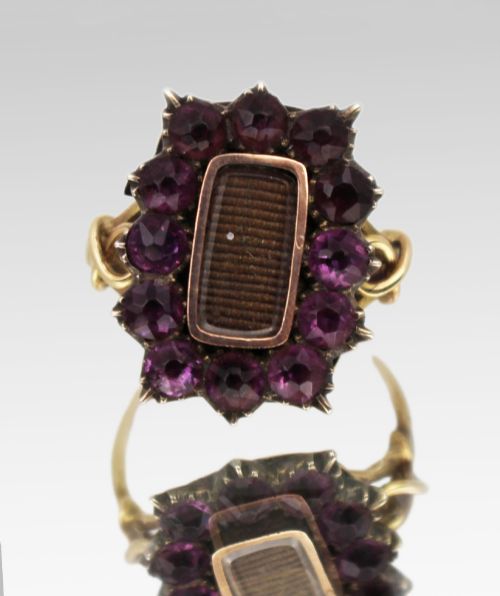
- Jewellery created to remember a deceased person, often incorporating black enamel, seed pearls, or woven hair behind glass. These items carried deep sentimental value for the wearer.
- Etruscan revival
- A nineteenth-century design movement inspired by archaeological discoveries in Italy. Pieces utilise granulation, wirework, and geometric gold motifs.
Victorian Jewellery Locket: Frequently Asked Questions
How do I open an antique locket?
Most lockets rely on a fingernail nick along the side seam or a push-button mechanism near the suspension loop. Gentle pressure usually releases the catch without straining the hinge.
Avoid forcing stuck covers with metal tools, as old hinges bend easily. A tiny drop of appropriate lubricant on the pin can help free stubborn latches.
Can I put a modern photo inside?
Original bezels and paper frames often accommodate trimmed modern prints if they match the inner dimensions. Careful measurement prevents damage to the interior space.
Many collectors prefer to slip photographs in without glue so the original backing card remains untouched. Thin archival paper works best for these tight spaces.
What does gold back and front mean?
This term indicates that the front and back plates of the pendant are sheet gold bonded to a base metal interior. It allowed makers to produce substantial lockets more affordably.
These pieces still test positive for gold on the exterior surfaces where the precious metal layer sits. They represent a common Victorian manufacturing method.
Are these lockets suitable for daily wear?
Antiques require mindful handling due to their age and delicate hinges. Daily wear is possible if the wearer removes the piece before swimming, sleeping, or strenuous exercise.
Checking the suspension loop regularly ensures the pendant does not slip off its chain. Chains should match the weight of the locket to prevent excessive wear on the top ring.