

Victorian Jewellery Charm
When you search for a victorian jewellery charm, you encounter miniature pendants, fobs and padlocks carrying the distinct sentiment of the nineteenth century.
Victorian Jewellery Charm
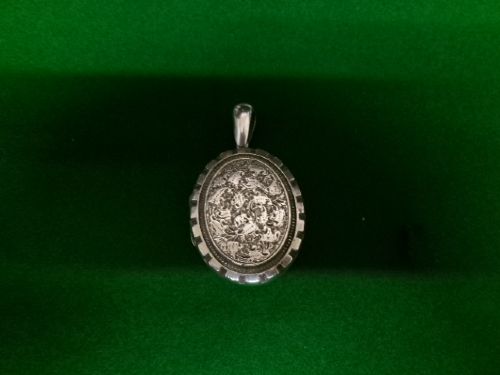
A victorian jewellery charm encompasses small decorative items, from heart padlocks and spinning fobs to figural motifs and watch keys, which were suspended from bracelets and watch chains. The pieces appearing here span the Victorian, Edwardian, and nineteenth-century periods, alongside occasional later reflections.
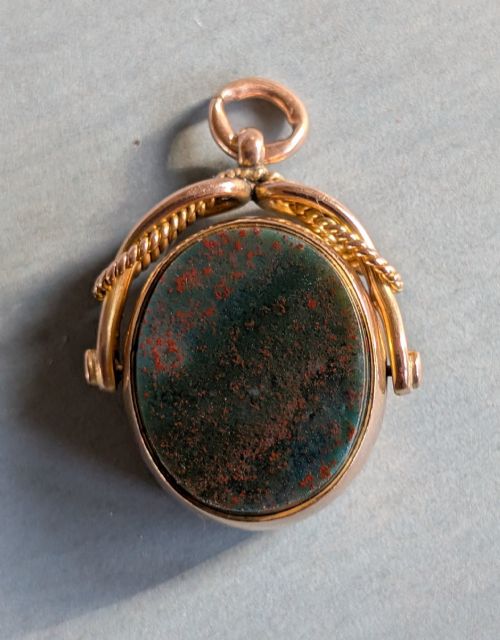
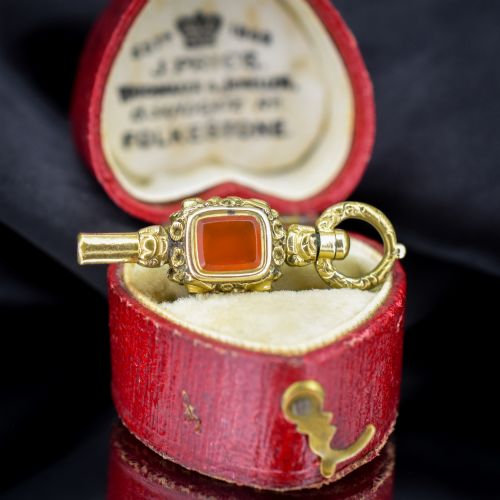
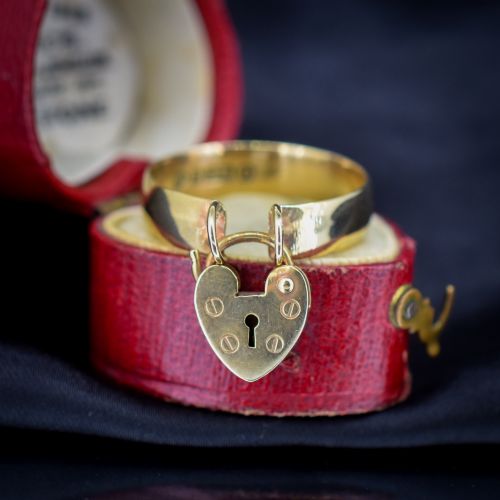
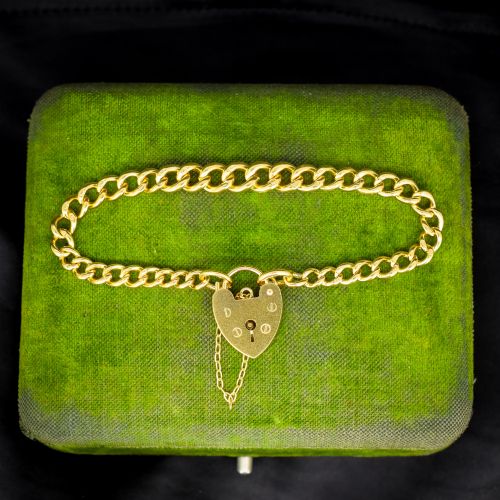
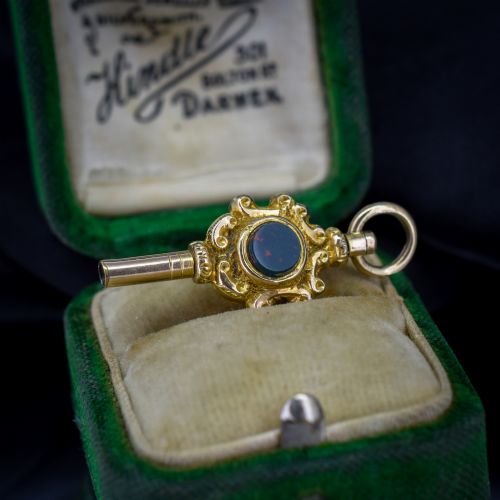
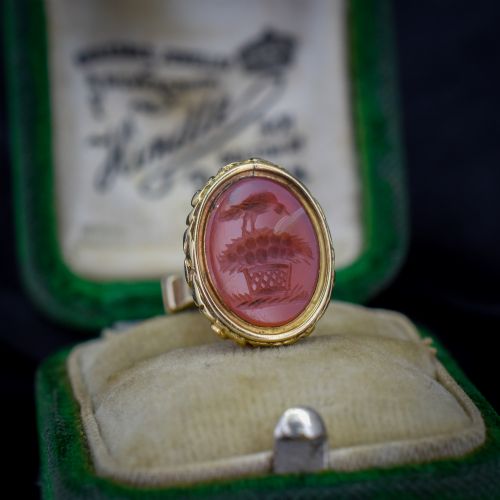
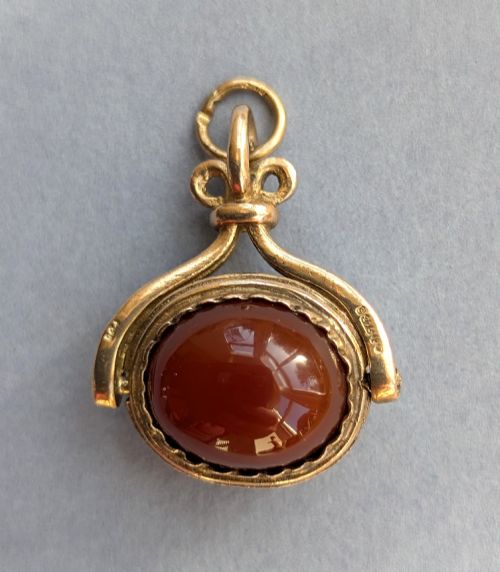
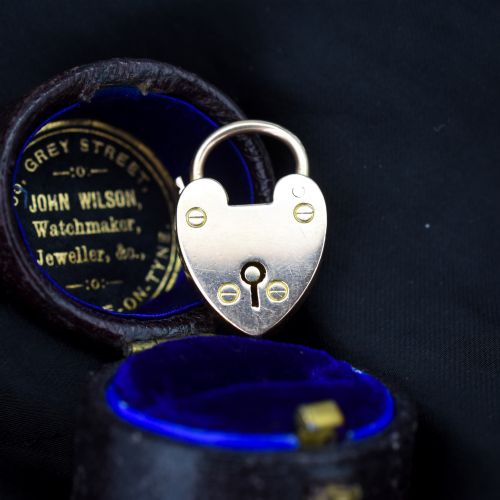
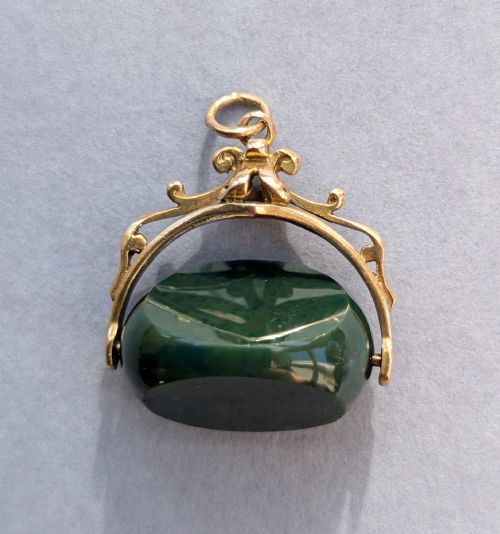
The most common forms you meet include engraved 9ct rose gold heart padlocks, swivel seals set with bloodstone or carnelian, and intricate animal or insect pendants. These items served both utilitarian functions, such as winding timepieces or locking bracelets, and deeply personal symbolic purposes.
Originating largely from British workshops and hallmarked centres like Chester and Birmingham, these items reflect diverse stylistic influences including Egyptian Revival, Georgian traditions, and Victorian novelty designs.
Materials and construction
The metalwork relies predominantly on 9ct, 15ct, and 18ct yellow and rose gold, alongside sterling silver, gold cased elements, and occasional brass. Chains and padlocks utilise durable curb links, gate structures, and split rings to secure the hanging elements.
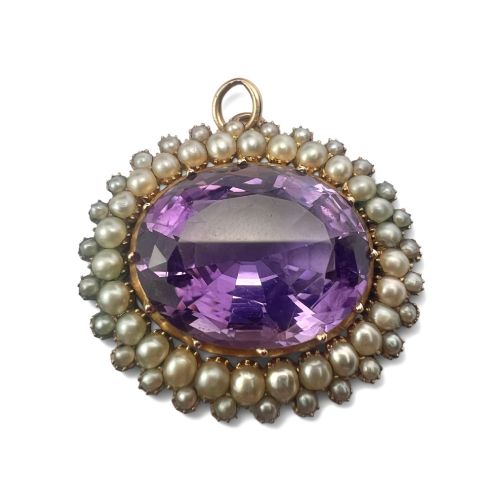
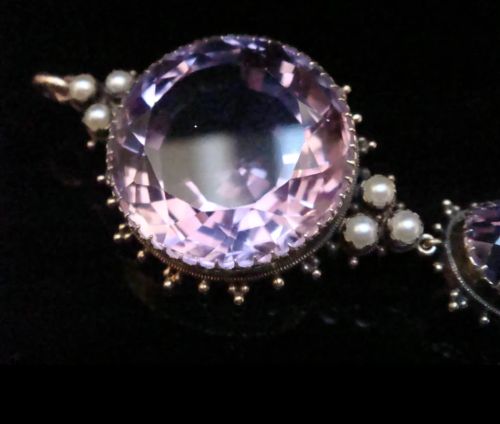
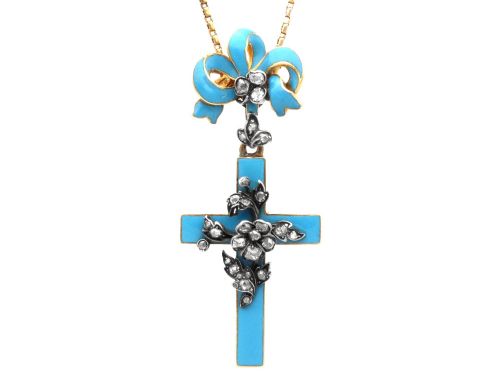
Set stones demonstrate a preference for hardstones and minerals, including bloodstone, carnelian, agate, sardonyx, amethyst, citrine, and chalcedony, frequently carved into intaglios or polished into smooth seals. Seed pearls, turquoise, paste stones, and enamel provide further decorative contrast within the metal settings.
Victorian Jewellery Charm Retail Price Guide 2026
Typical asking prices for victorian jewellery charm among the pieces listed under this phrase on Sellingantiques today, from the lower quarter to the upper quarter. They describe what is for sale here now, not the wider market.
A tiny gold spider ambushes a pearl, proving the Victorians had a distinct fondness for creepy-crawlies hanging from their chains.
Assessing quality and craftsmanship
The distinction between standard production and finer pieces lies in the crispness of hand engraving and the depth of stone carving, particularly on intaglio seals and spinning fobs. Superior examples display precise chasing on gold surfaces and securely flush-set stones.
Structural integrity also separates the grades, visible in the robust spring mechanisms of heart padlocks and the clean rotation of swivel fobs. Weight, material purity such as higher carat gold content, and intact original components elevate a piece above mass-produced alternatives.
The Victorian Jewellery Charm Glossary
- Fob seal
- A small pendant featuring a carved stone matrix used for impressing a wax seal on correspondence. These often swivel within a metal frame.
- Heart padlock
- A secure clasp shaped like a padlock, frequently engraved and utilised to fasten charm bracelets and curb link chains.
- Watch key
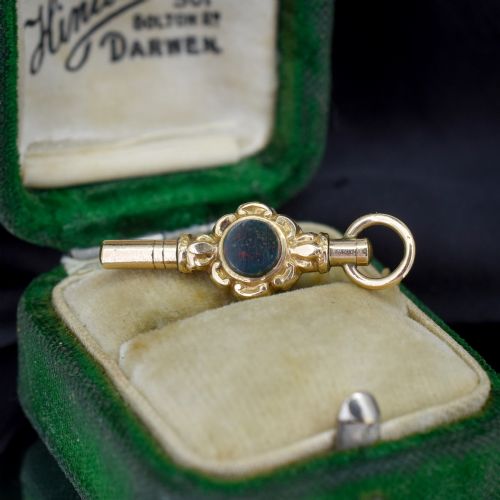
- A functional key designed to wind pocket watches, often worn ornamentally as a charm on a chain or fob.
- Intaglio
- A gem or stone carved into the surface so that the design impresses in relief when pressed into sealing wax. This technique appears frequently on bloodstone and carnelian fobs.
- Acrostic
- Jewellery where gemstones are arranged so that the initial letters of each stone spell out a specific word, such as regard.
Victorian Jewellery Charm: Frequently Asked Questions
How were heart padlocks used?
Heart padlocks functioned as the primary clasp mechanism for heavy charm bracelets and curb link chains during the nineteenth and early twentieth centuries. The spring-loaded shackle opened to secure the ends of the bracelet together.
Over time, they evolved from purely functional fasteners into decorative centerpieces covered in floral engraving.
What is an intaglio charm?
An intaglio is a hardstone, such as bloodstone, chalcedony, or carnelian, carved with a sunken design that produces a raised impression in sealing wax. They were set into pendants, fobs, and swivel seals.
Common motifs included birds, crests, and classical profiles, often carrying specific symbolic meanings for the wearer.
How do I date a gold padlock?
Dating a gold padlock involves examining the style of engraving, the shape of the heart, and any accompanying hallmarks or stamps. Pieces marked with specific town assay stamps and date letters provide precise years of manufacture.
Lighter rose gold variants with minimal decoration often point towards the Edwardian era, whereas heavier chased designs align with the Victorian period.