



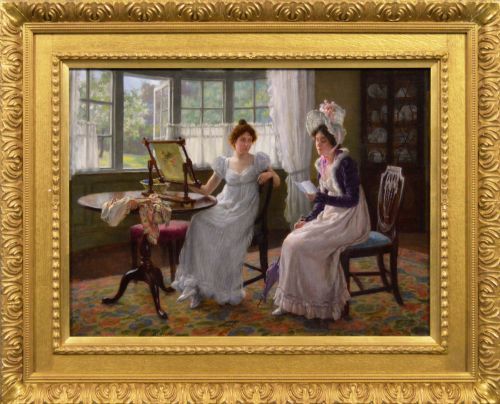
Victorian Interior Oil Painting
When you search for a victorian interior oil painting, you find domestic drama, quiet cottage studies and high society rooms captured in pigment.
Victorian Interior Oil Painting
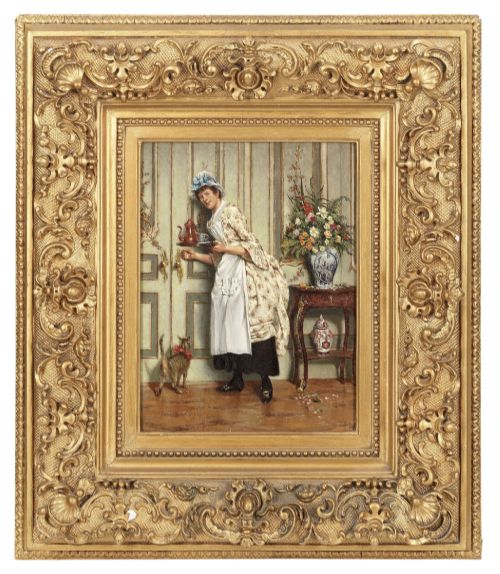
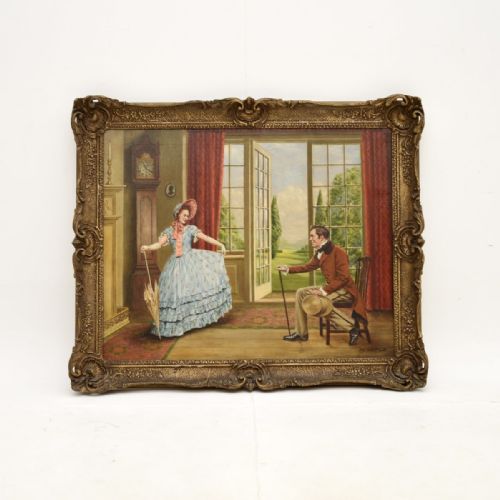
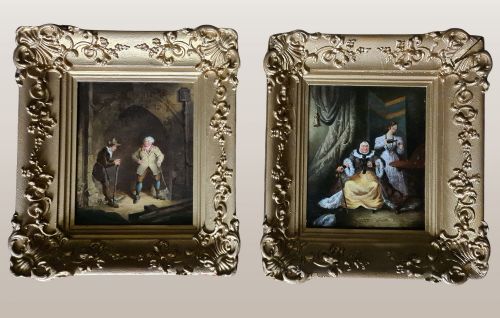
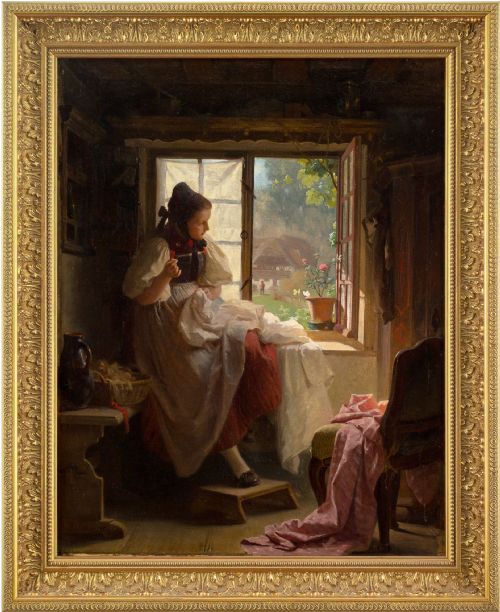
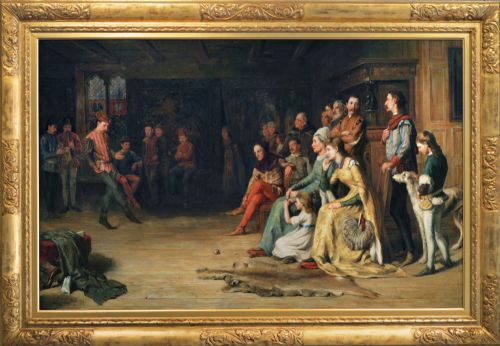
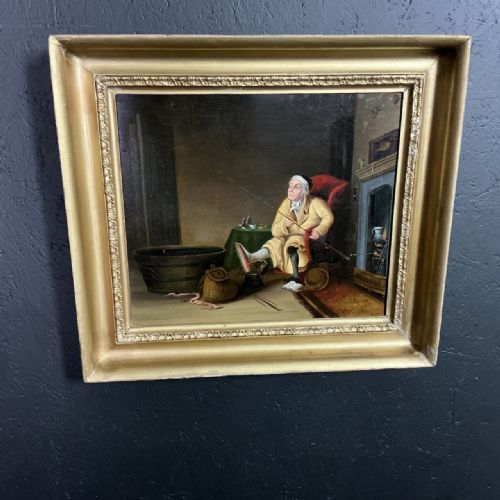
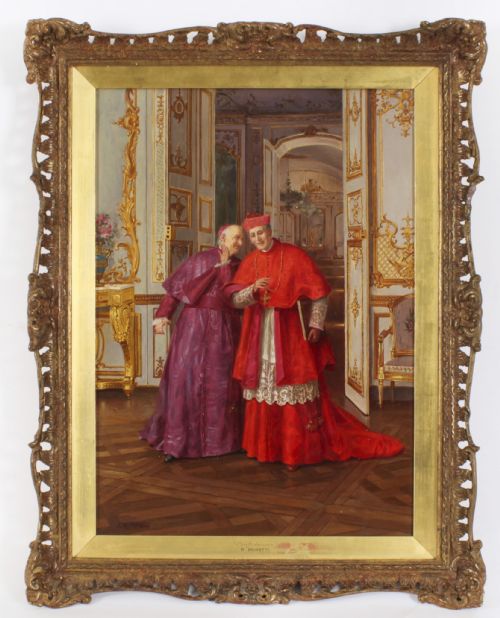
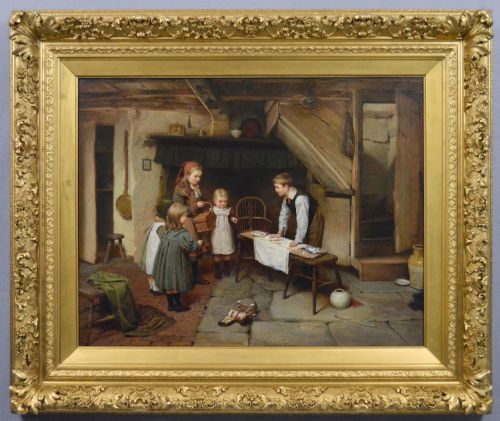
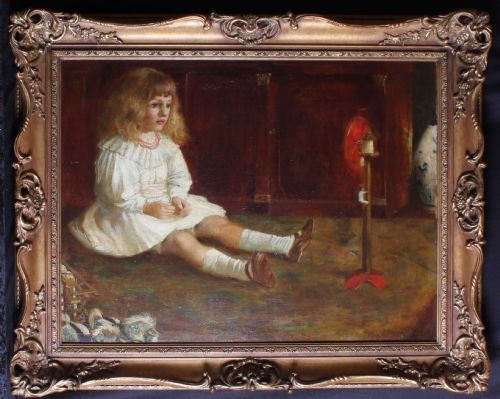
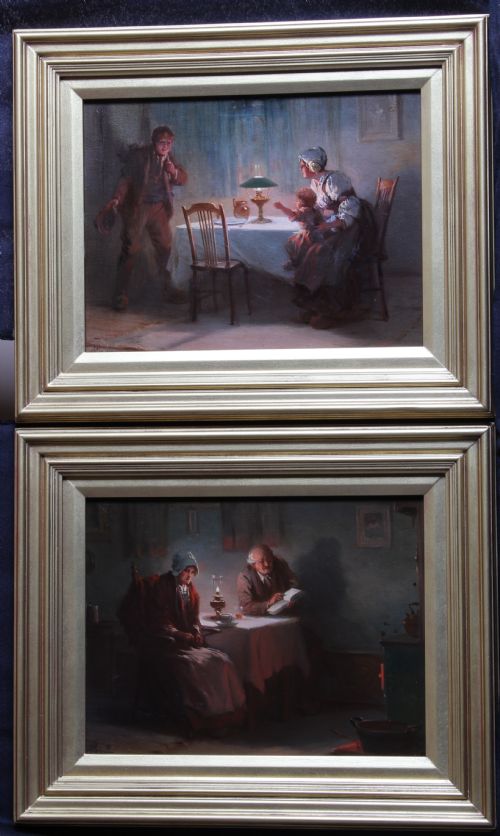
A victorian interior oil painting brings nineteenth-century domestic life into focus, depicting scenes from country houses, cottages and salons. These works capture everyday moments, from tea time and sewing by a window to historical genre subjects and servant interactions.
The pieces on this page span the nineteenth century, including specific dates across the decades, alongside works broadly classed as Victorian. Genre painting and realism dominate the selection, portraying human figures engaged in narrative moments within enclosed spaces.
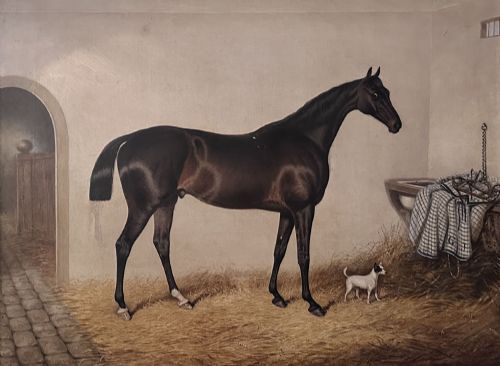
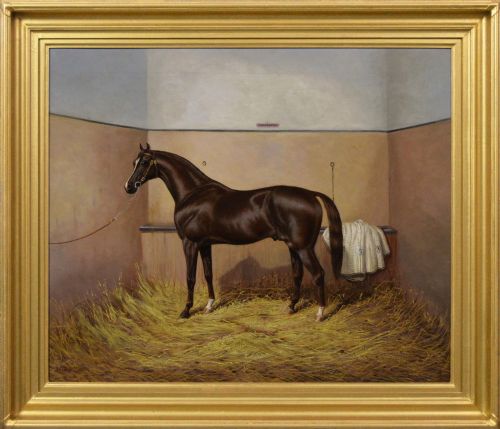
Domestic interiors sit alongside stable scenes, portraits of hunters, and still lifes incorporating period furniture. Artists utilise oil on canvas or oil on panel, framed in giltwood and gesso to complete the period presentation.
How They Were Made
Artists painted primarily in oil paint on prepared canvas or wood panels, building up layers of pigment to achieve depth and texture in domestic settings. Canvases received grounds before painters applied the subject matter, often working in studios from preliminary sketches.
Finished works found their homes within heavy wooden frames finished with gesso and gold leaf. These giltwood frames enhanced the domestic display of the canvas, reflecting candlelight and daylight in the nineteenth-century rooms they inhabited.
Cats, dogs, and horses frequently share the domestic stage with humans, proving that nineteenth-century pets loved an audience.
What Varies in Quality
The strength of a composition rests on the handling of light and narrative tension within the room. Superior works direct the viewer's eye through skilled placement of figures, convincing perspective and nuanced facial expressions.
Material preservation plays a part in the standing of a piece, observable in the stability of the oil paint and the integrity of the canvas or panel. The original gilding on the matching frame adds context and completeness to the surviving artwork.
Stephen Samuel Lewin·Alfred Lyndon Grace·Max Kaltenmoser·James Hamilton·Harry Brooker·Byam Shaw·Alexander Rosell·John Arthur Lomax·Albert Clark·John Watkins Chapman·Charles Haigh Wood·Frank Moss Bennett·Haynes King·James Kyd·Edwin Thomas Roberts·Robert Alexander Hillingford·George Smith·Edwin Hughes·Hermann Armin Kern·Benjamin Cam Norton·Charles Bilger Spalding·Théophile Emmanuel Duverger·Samuel John Carter·A Barclay
The Victorian Interior Oil Painting Glossary
- Genre painting
- A representation of aspects of everyday life by depicting ordinary people engaged in common activities. These scenes often tell a domestic story or record social interactions.
- Gesso
- A plaster-like mixture applied to wood or canvas as a base for painting or as a mouldable surface for decorative frame moulding. It provided a smooth ground for gilding.
- Giltwood
- Wood, typically carved timber, that has been coated with gold leaf or gold paint. Frames finished in this manner were standard for nineteenth-century fine art.
- Oil on panel
- A painting technique where the pigment is applied to a wooden board rather than stretched fabric. Panels offered a rigid support favoured by certain nineteenth-century painters.
- Realism
- An artistic movement focused on representing familiar things as they are, without idealisation. In interior scenes, this meant honest portrayals of domestic furnishings and clothing.
Victorian Interior Oil Painting: Frequently Asked Questions
What subjects appear in these paintings?
The artworks show domestic daily life, country house gatherings, cottage interiors, and historical genre scenes. Figures include children, servants, musicians, and aristocracy.
Animals also feature prominently, with horse portraits, stable scenes, and hunting dogs integrated into the domestic or rural narrative.
How should I hang an oil painting?
Select a wall away from direct sunlight and strong heat sources to protect the canvas and the giltwood frame. Proper picture hooks rated for the weight of the framed piece ensure secure mounting.
Maintain stable room humidity to prevent the wood panel or canvas stretcher from warping over time.
Are original frames common?
Many nineteenth-century works retain their period giltwood and gesso frames, which match the aesthetic of the era. These frames complete the historical context of the artwork.
Examining the back of the frame often reveals old stamps, labels or workshop marks from the period.
How do I identify the period?
Stylistic clues such as costume, interior decoration and furniture design help date the painted scene. Victorian fashion and Victorian room layouts provide clear chronological markers.
Signatures, artist dates, and exhibition records noted in the listing further anchor the painting within the nineteenth century.