
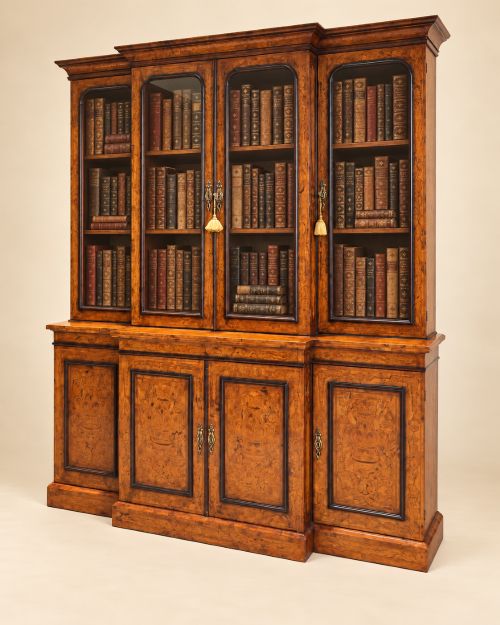

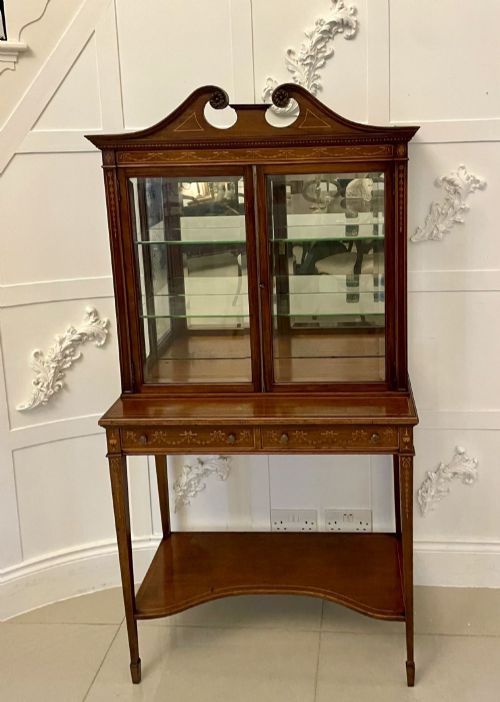
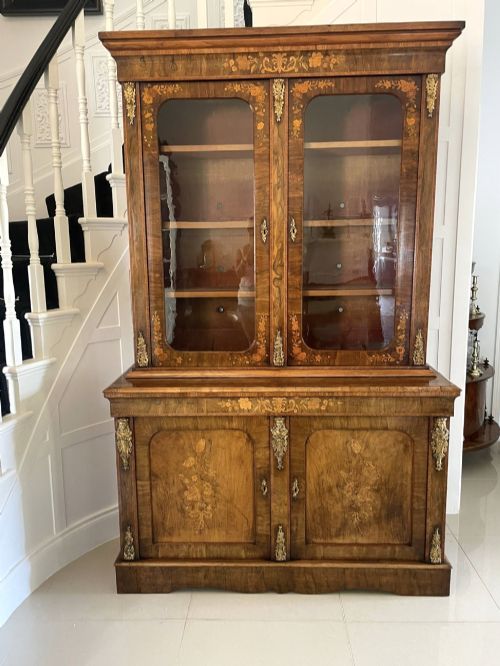
Victorian Inlaid Glazed Cabinet
A victorian inlaid glazed cabinet brings warmth and polished glass to a room, offering a refined way to display books and treasured objects.
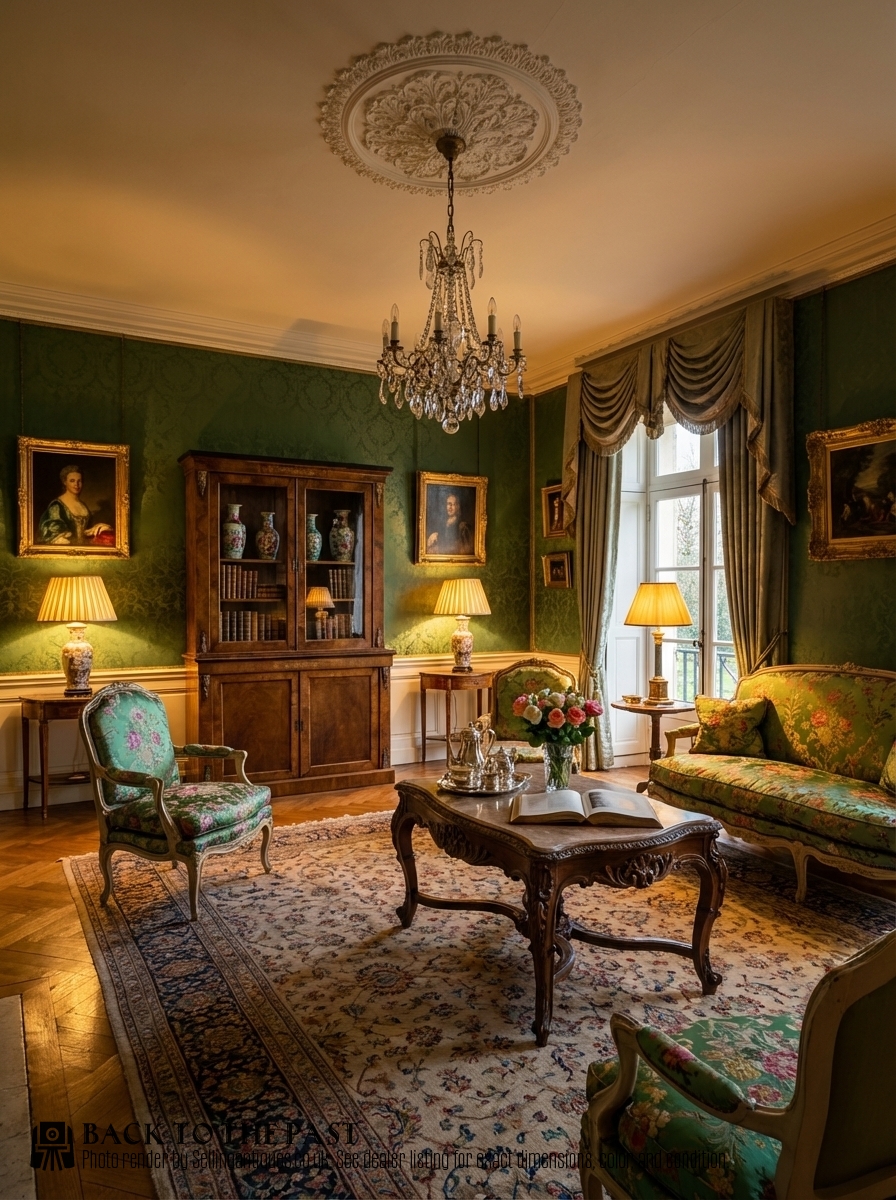
Victorian Inlaid Glazed Cabinet
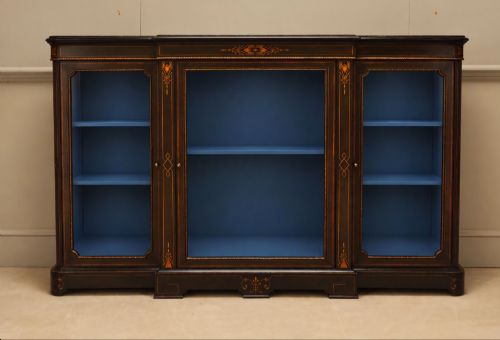
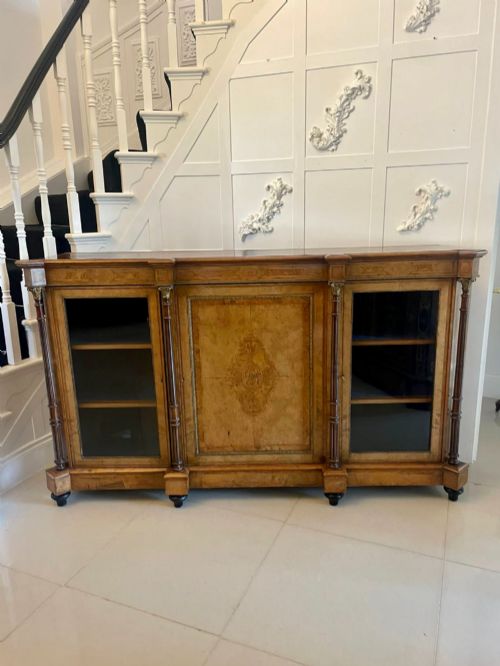
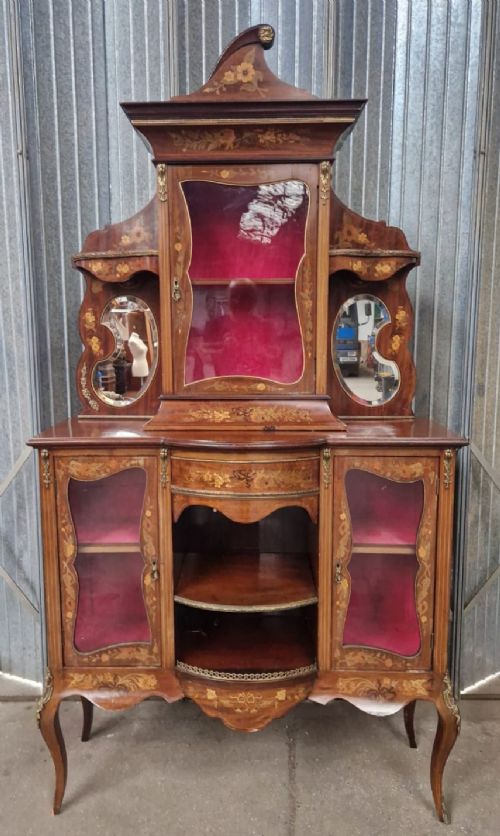
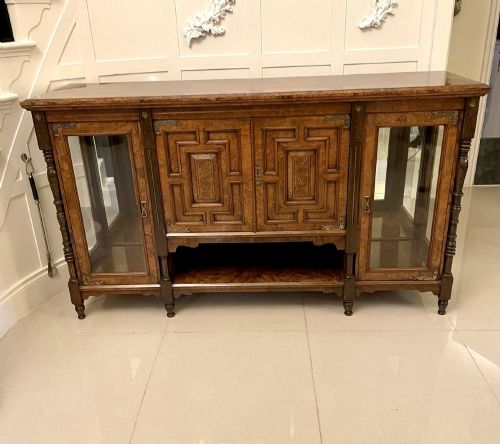
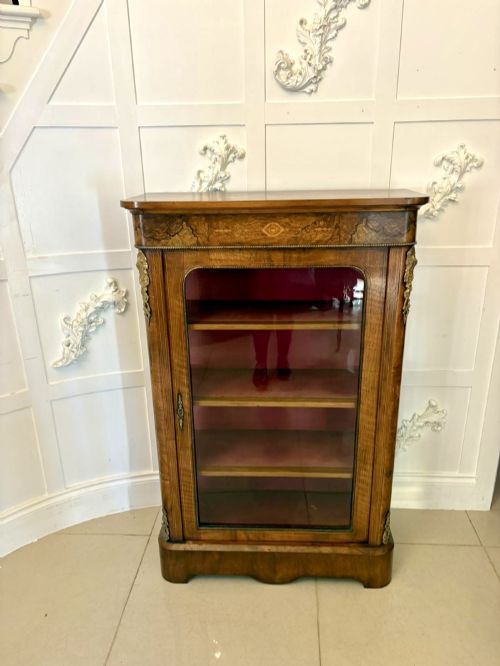
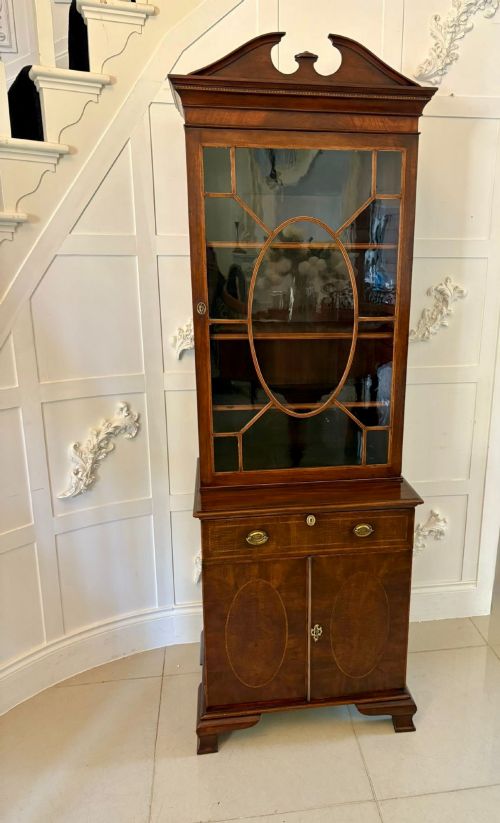
A victorian inlaid glazed cabinet encompasses several distinct forms designed to display possessions, ranging from compact pier cabinets to larger bookcases and credenzas. These pieces date principally from the nineteenth century, spanning decades from eighteen fifty to nineteen hundred.
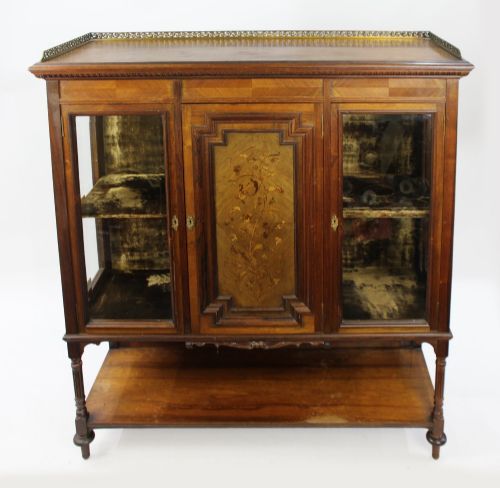
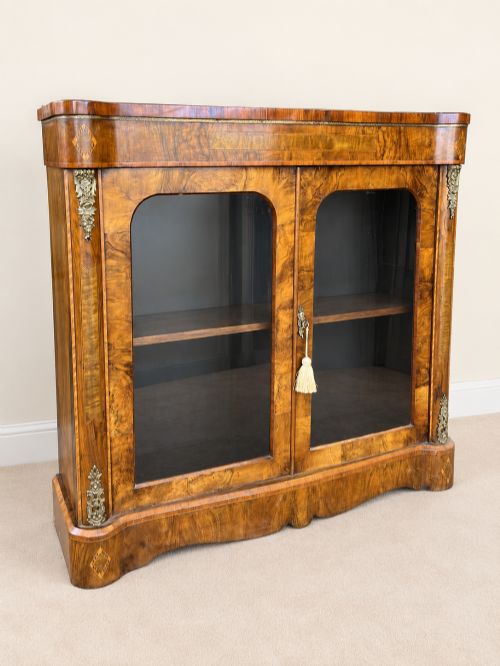
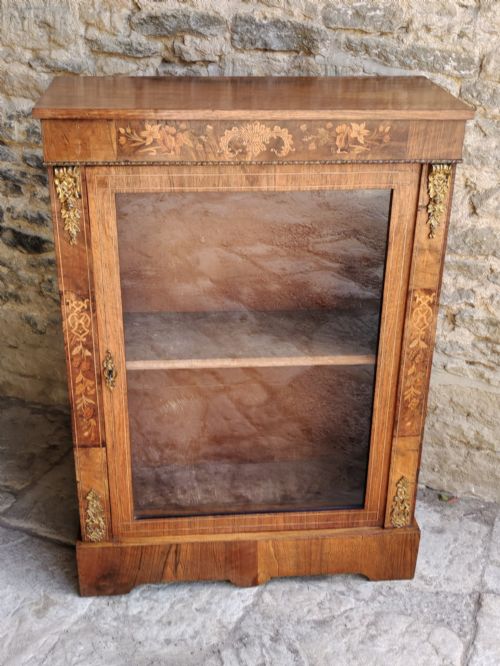
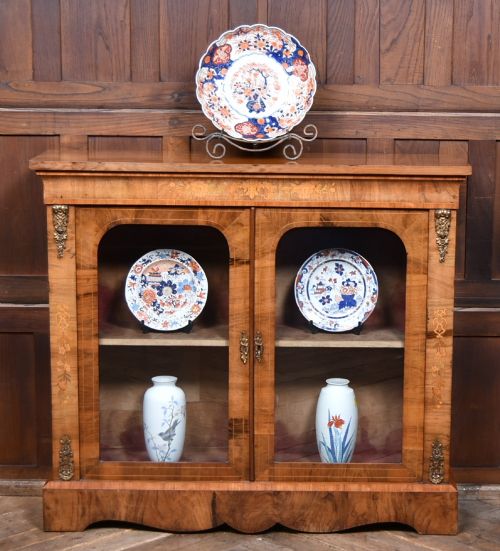
Burr walnut and mahogany form the core of the selection found here, frequently enriched with marquetry or satinwood detail. Buyers frequently encounter single-door pier cabinets alongside broader multi-door display cabinets and breakfront bookcases.
Materials and construction
Cabinet makers utilised dense hardwoods such as walnut, mahogany, rosewood and satinwood, often applying burr veneers to create richly patterned surfaces on the main body. Delicate marquetry inlay provides contrasting detail in lighter timbers across doors and friezes.
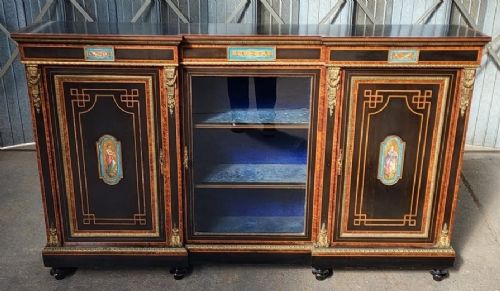
Gilt bronze or ormolu mounts and brass fittings accent the framework, while glazed doors house glass panels to protect the interior shelves. Ebonised finishes and amboyna additions appear alongside traditional polish to complete the decorative scheme.
Listings feature eighteenth-century revival styles including Sheraton Revival, Aesthetic Movement, and Dutch Baroque Revival alongside standard Victorian pieces.
Judging execution
Distinction in these pieces rests upon the precision of the marquetry and the choice of timber veneer, where deeply figured burr walnut or select satinwood elevates a standard carcase into something exceptional. The fluidity of applied ormolu mounts and the crispness of brass detailing signal the maker's hand.
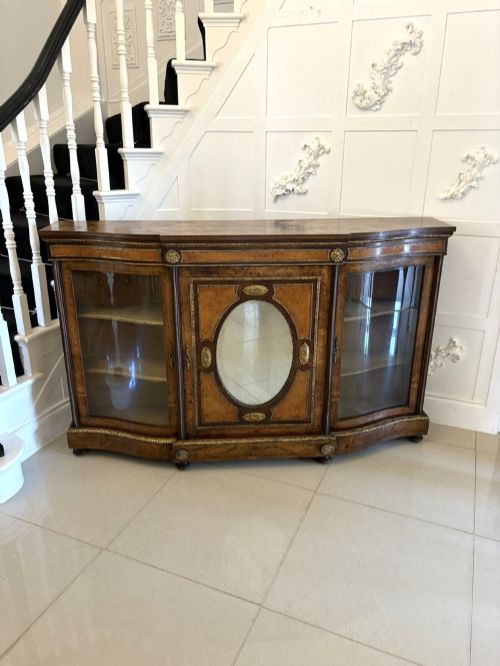
Proportion and structural ambition also define the hierarchy, moving from simple single-door pier cabinets to monumental breakfront credenzas with serpentine fronts and porcelain plaques. Superior cabinet work integrates glazing bars and door closures with seamless exactness.
Edwards and Roberts·Collinson and Lock·Lamb of Manchester
The Victorian Inlaid Glazed Cabinet Glossary
- Pier cabinet
- A low freestanding cabinet designed specifically to fit the narrow wall space between windows.
- Marquetry
- Decorative patterns formed by fitting together thin veneers of different coloured woods.
- Ormolu
- Gilt bronze mounts used as decorative highlights on the corners and friezes of furniture.
- Credenza
- A grand sideboard or display piece, often featuring multiple doors and elaborate mounts.
- Bijouterie table
- A glass-topped display table intended for smaller collectibles and precious objects.
Victorian Inlaid Glazed Cabinet: Frequently Asked Questions
What is a pier cabinet?
A pier cabinet is a narrow display piece built to stand against the wall space between two windows.
These compact units typically feature a single glazed door and frequently incorporate marquetry inlay upon walnut or rosewood.
How do I style a glazed cabinet?
A glazed cabinet provides a protected space to showcase collections of ceramics, glassware or leather-bound books.
Keep the interior lighting ambient and avoid overcrowding the shelves to let the timber grain and inlay remain visible.
What woods were used?
Cabinet makers relied primarily on walnut, burr walnut, mahogany, rosewood and satinwood for the main structures.
Additional contrast came from ebony, amboyna and various lighter timbers utilised within floral and geometric marquetry.
How are periods identified?
Dating relies upon stylistic markers such as Sheraton Revival motifs, Aesthetic Movement lines and French Second Empire influences.
Construction methods, timber selection and specific maker signatures further narrow the production era to the nineteenth century.